
If you’ve ever felt a sharp, burning pain shoot from your lower back down through your leg, you already know how disruptive sciatica can be. It can make sitting at a desk unbearable, turn a short walk into a challenge, and interrupt a good night’s sleep. Here in American Fork, many of our patients arrive at Life Aligned Chiropractic frustrated and searching for answers. The good news is that sciatica is very well understood, and there are effective, non-surgical options available close to home. This article walks you through everything you need to know about sciatica treatment in American Fork — from what sciatica actually is to what you can expect when you walk through our doors.
What Is Sciatica? Sciatica refers to pain that travels along the path of the sciatic nerve, which runs from the lower back through the hips and buttocks and down each leg. It most commonly affects one side of the body and is typically caused by compression or irritation of the nerve roots in the lumbar spine.
- Understanding Sciatica: More Than Just Back Pain
- Common Causes of Sciatica
- Signs and Symptoms to Watch For
- How Chiropractic Care Fits Into Sciatica Treatment
- What to Expect at Life Aligned Chiropractic
- Practical Tips for Managing Sciatica at Home
- When to See a Chiropractor for Sciatica
- Myths vs. Facts About Sciatica
- Final Thoughts
- Frequently Asked Questions
- TL;DR Summary
Understanding Sciatica: More Than Just Back Pain
Sciatica is one of those conditions that gets thrown around a lot, but many people don’t fully understand what it means. It isn’t a diagnosis of its own — it’s actually a symptom of an underlying problem. The sciatic nerve is the longest and widest nerve in the human body. When something compresses or irritates it, pain radiates along its path, which is why you might feel it all the way from your lower back to your foot.
What makes sciatica particularly frustrating is how unpredictable it can be. Some people experience a dull, constant ache. Others feel sharp, electric-like jolts of pain. Some days might feel manageable, while others can be nearly debilitating. The pattern of pain is often a key clue for chiropractors in identifying which nerve root is involved and what’s causing the compression.
Here at Life Aligned Chiropractic in American Fork, Dr. Scott Graziosa takes time to listen carefully to how and where your pain presents. That information is just as important as any physical examination finding, because sciatica has a very specific pattern that helps distinguish it from other types of back or leg pain. If you’d like to learn more about the underlying mechanics, our in-depth article on what causes sciatica and how to find relief is a great place to start.
Common Causes of Sciatica
Understanding what’s triggering your sciatica is a critical first step toward effective treatment. The most common culprit is a herniated disc in the lower spine. When the soft inner material of a spinal disc pushes through its outer layer, it can press directly on nearby nerve roots — including those that form the sciatic nerve. If you’ve been dealing with disc-related issues, our page on herniated disc treatment covers this in more detail.
Another frequent cause is lumbar spinal stenosis, which is a narrowing of the spinal canal that puts pressure on nerve tissue. This tends to be more common in people over 50 and often worsens with standing or walking. Piriformis syndrome is another possibility — this occurs when the piriformis muscle in the buttock tightens or spasms and irritates the sciatic nerve running nearby or through it.
Degenerative disc disease, bone spurs, and even pregnancy-related postural changes can all contribute to sciatic nerve irritation. In American Fork and throughout Utah County, we see a wide mix of patients — from active young adults and athletes to older adults managing age-related spine changes. Each case has its own story, and Dr. Scott Graziosa approaches each one individually rather than applying a one-size-fits-all protocol.
Signs and Symptoms to Watch For
Most people with sciatica describe pain as a burning, shooting, or stabbing sensation that travels from the lower back, through the buttock, and down the back of one leg. Some patients describe it as a constant dull throb, while others experience sudden, sharp flare-ups triggered by certain movements like sitting down, standing up, or even sneezing.
Numbness and tingling are also very common. These sensations often appear in the calf, foot, or toes and can be alarming if you’ve never experienced them before. Muscle weakness in the affected leg can develop as well, making it harder to lift the foot or maintain balance. If you’re experiencing any of these symptoms alongside significant back pain, it’s worth getting a professional evaluation soon.
It’s worth noting that sciatica symptoms can also mimic other conditions, including hip pain or referred pain from sacroiliac joint dysfunction. This is another reason why an accurate diagnosis matters so much before treatment begins. Rushing into care without understanding the root cause can delay real recovery.
How Chiropractic Care Fits Into Sciatica Treatment
Chiropractic care is widely recognized as a conservative, non-invasive approach for managing sciatica. The American College of Physicians has recommended spinal manipulation as a first-line treatment option for low back pain, and research suggests that chiropractic adjustments can be effective in reducing nerve-related pain in many patients. While results vary depending on the underlying cause and severity, many sciatica sufferers experience meaningful improvement through chiropractic care.
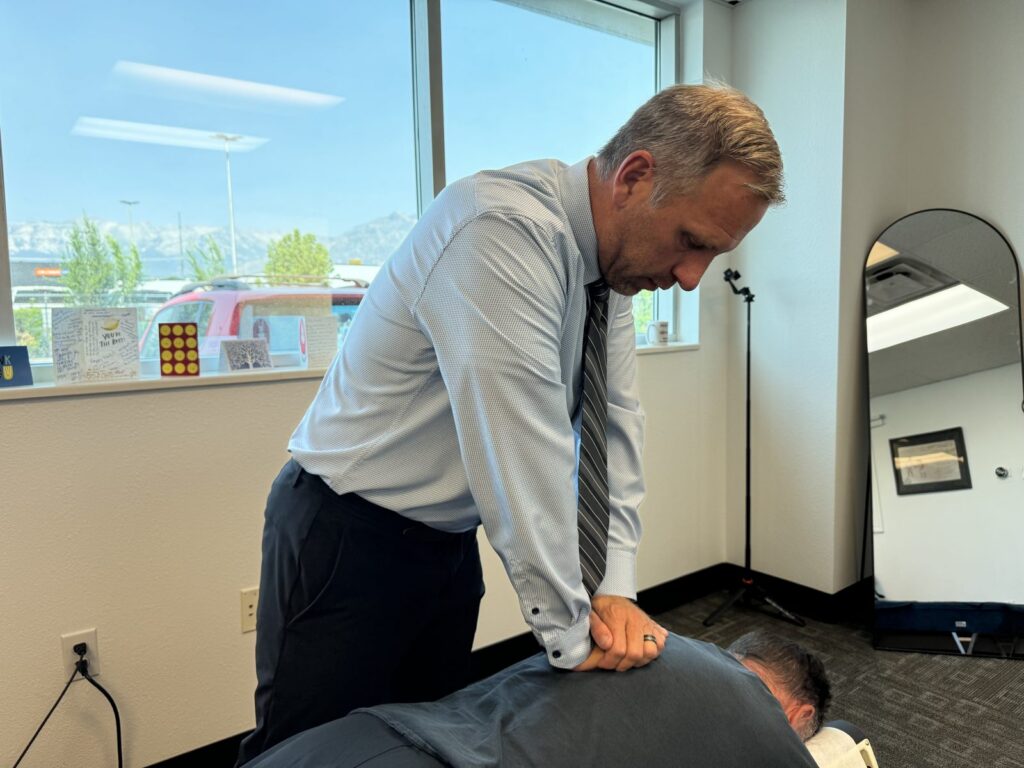
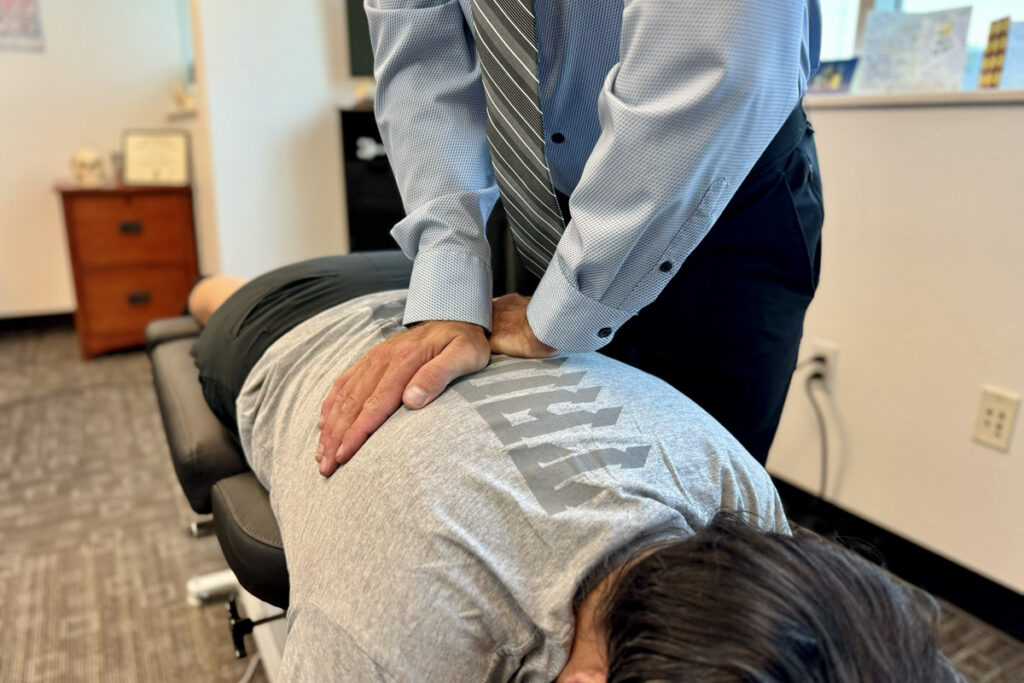
The foundation of chiropractic treatment for sciatica is spinal manipulation — also called a chiropractic adjustment. When specific vertebrae in the lumbar spine are misaligned or not moving properly, they can contribute to nerve compression and inflammation. A gentle, controlled adjustment helps restore normal joint motion, reduce pressure on the nerve, and allow the surrounding tissues to heal more effectively.
At Life Aligned Chiropractic, the chiropractic care provided by Dr. Scott Graziosa goes beyond just adjustments. Depending on your situation, care may also incorporate soft tissue work, rehabilitative exercises, posture correction strategies, and patient education. The goal is always to address the underlying issue — not just mask the pain. Evidence indicates that treating the root cause leads to better long-term outcomes than symptomatic relief alone.
For patients whose sciatica involves significant disc compression, spinal decompression therapy may also be a valuable part of the treatment plan. This gentle, motorized traction helps create negative pressure within the disc space, which can encourage herniated disc material to retract and reduce pressure on the sciatic nerve.
What to Expect at Life Aligned Chiropractic
Walking into a chiropractic office for the first time — especially when you’re in pain — can feel uncertain. Dr. Scott Graziosa and the team at Life Aligned Chiropractic in American Fork work hard to make sure every patient feels informed, comfortable, and heard from the very first visit.
Your first appointment will typically begin with a thorough health history review. Dr. Graziosa will ask questions about when your symptoms started, what makes them better or worse, your occupation and activity level, and any prior injuries or treatments. This is followed by a physical and neurological examination that may include testing your reflexes, muscle strength, and range of motion. In some cases, he may recommend imaging to get a clearer picture of what’s happening in the spine.
Once a clear understanding of your condition is established, Dr. Scott Graziosa will walk you through a personalized care plan. This typically includes a recommended number of visits over a specific period of time, along with home care guidance to support your recovery between appointments. Patients are encouraged to ask questions and stay engaged in their own healing process — because an informed patient is an empowered one.
For those in American Fork who’ve also experienced sciatica as a result of a car accident, it’s worth knowing that nerve compression injuries are common after rear-end collisions. Our auto injury chiropractic care services address these cases with the same thorough, individualized approach.
Practical Tips for Managing Sciatica at Home
While professional care is important, what you do between appointments plays a meaningful role in your recovery. Here in American Fork, many of our patients spend long hours sitting — whether commuting, working at a desk, or relaxing in the evening. Prolonged sitting is one of the most common sciatica aggravators, and making simple changes can help significantly.
Pay attention to your sitting posture. Slouching or sitting with your pelvis tilted forward increases pressure on the lumbar discs and can worsen nerve compression. Aim to sit with your feet flat on the floor, your hips slightly higher than your knees, and your low back supported. Getting up and walking for a few minutes every 30 to 45 minutes is one of the best habits you can develop.
Gentle movement tends to be more beneficial than complete rest when it comes to sciatica. Walking at a comfortable pace, light stretching of the hip flexors and piriformis, and gentle core activation exercises can all support recovery. Dr. Scott Graziosa can guide you on specific movements appropriate for your situation, as some exercises that help one type of sciatica can actually worsen another.
Sleep position also matters. Lying on your side with a pillow between your knees can reduce spinal pressure while you sleep. Avoid sleeping on your stomach if possible, as this position places significant rotational stress on the lumbar spine and can aggravate nerve symptoms.
| Sciatica Trigger | Why It Causes Problems | Recommended Adjustment |
|---|---|---|
| Prolonged sitting | Increases lumbar disc pressure and compresses nerve roots | Stand and move for a few minutes every 30-45 minutes |
| Slouched posture | Shifts load unevenly onto spinal structures and discs | Sit with back supported, feet flat, hips level or slightly elevated |
| Sleeping on stomach | Rotates the lumbar spine and stresses nerve pathways | Side-lying with a pillow between the knees |
| Bending forward without support | Places flexion stress on already irritated discs | Bend at the knees, keep back straight when lifting |
| Inactivity / bed rest | Weakens supporting muscles and delays nerve healing | Gentle walking and guided stretching as tolerated |
When to See a Chiropractor for Sciatica
Many people wait too long before seeking care, hoping the pain will resolve on its own. While mild sciatica sometimes improves with rest and simple home care within a few weeks, symptoms that persist beyond two to four weeks, worsen over time, or significantly interfere with daily life are clear indicators that professional evaluation is warranted.
If your leg pain is severe, if you’re noticing increasing weakness in your leg or foot, or if you’re having trouble with bladder or bowel control, these are red flags that should prompt immediate medical attention — not a wait-and-see approach. Loss of bladder or bowel function alongside back and leg pain can indicate a serious spinal emergency called cauda equina syndrome, which requires urgent care beyond the chiropractic scope of practice.
For most cases of sciatica, though, conservative chiropractic care is an appropriate and well-supported starting point. If you’ve been searching for sciatica treatment in American Fork and haven’t yet had a professional evaluation, reaching out to Life Aligned Chiropractic is a safe, non-invasive first step. You can also explore our dedicated sciatica treatment page to learn more about how we approach this condition. And if you’re wondering whether chiropractic is a safe and proven choice for spinal pain in general, our article on whether chiropractic care is safe and effective for back pain provides helpful context.
Myths vs. Facts About Sciatica
Myth: Sciatica always requires surgery.
Fact: The vast majority of sciatica cases resolve with conservative, non-surgical care. Evidence consistently supports chiropractic treatment, physical therapy, and lifestyle modifications as effective first-line approaches. Surgery is typically considered only when conservative treatments have been exhausted and there is ongoing neurological deterioration.
Myth: Rest is the best treatment for sciatica.
Fact: Prolonged bed rest is actually counterproductive for most sciatica sufferers. Gentle, guided movement helps reduce inflammation, maintain circulation, and strengthen the muscles that support the spine. Complete inactivity tends to prolong recovery rather than speed it up.
Myth: Sciatica is just another name for back pain.
Fact: Sciatica is specifically a nerve-related condition that causes symptoms along the path of the sciatic nerve, typically down the leg. It is distinct from general low back pain, though back pain often accompanies it. Understanding the difference matters because treatment approaches can differ significantly.
Myth: Once you have sciatica, it never fully goes away.
Fact: Many people recover fully from sciatica, especially with timely and appropriate care. Some cases do become chronic or recurrent, but with the right treatment plan and long-term lifestyle habits, recurrence can often be minimized. Early intervention generally leads to better outcomes.
Myth: Chiropractic adjustments are dangerous for sciatica.
Fact: When performed by a qualified chiropractor after a proper evaluation, spinal adjustments are considered safe and well-tolerated for most patients with sciatica. Dr. Scott Graziosa always conducts a thorough assessment before any treatment is applied to ensure each technique is appropriate for that individual’s specific condition.
Final Thoughts
Sciatica can feel overwhelming, especially when the pain is intense and interrupting everything you love to do. But it’s important to know that you have options — real, evidence-based, non-invasive options right here in American Fork. Life Aligned Chiropractic exists to help people in our community get back to living their lives without being held back by pain.
Dr. Scott Graziosa brings both expertise and genuine care to every patient he sees. Whether you’re a first-time chiropractic patient or someone who has tried other treatments without lasting results, the team at Life Aligned Chiropractic is here to listen, evaluate carefully, and build a plan that makes sense for your body and your life. Sciatica treatment in American Fork doesn’t have to feel complicated — it starts with one honest conversation and a thorough look at what’s really going on.
If leg pain has been holding you back, don’t wait for things to get worse. Reach out to Life Aligned Chiropractic and take that first step toward real, lasting relief. Our American Fork community deserves to feel well, and we’re honored to be a part of that journey.
Frequently Asked Questions
How long does sciatica treatment take at a chiropractor?
The length of treatment varies depending on the cause and severity of your sciatica. Some patients notice improvement within a few visits, while others with more chronic or complex cases may need several weeks of consistent care. Dr. Scott Graziosa will outline a realistic timeline after your initial evaluation.
Is chiropractic care for sciatica painful?
Most patients find chiropractic adjustments to be gentle and relieving rather than painful. Some mild soreness may occur after initial visits, similar to how muscles feel after a good workout. Dr. Graziosa always adjusts his techniques to each patient’s comfort level and condition.
Can sciatica come back after chiropractic treatment?
Sciatica can recur, especially if the underlying cause — such as posture habits, sedentary lifestyle, or disc vulnerability — isn’t addressed. Part of what Life Aligned Chiropractic offers is guidance on long-term strategies that reduce the likelihood of future flare-ups, not just relief from the current episode.
Does sciatica only affect older adults?
No — while degenerative changes in the spine become more common with age, sciatica affects people of all ages. Active adults, desk workers, pregnant women, and even younger athletes can all develop sciatic nerve irritation from a variety of causes.
What’s the difference between a pinched nerve and sciatica?
Sciatica is actually a form of pinched nerve — specifically, compression or irritation of the sciatic nerve or the nerve roots that form it. The term “pinched nerve” is more general and can apply to nerve compression anywhere in the body. For more on this, visit our page on pinched nerve treatment.
Can sciatica affect both legs at the same time?
True bilateral sciatica — symptoms in both legs simultaneously — is uncommon and can indicate a more serious spinal condition. If you’re experiencing pain, numbness, or weakness in both legs, it’s important to seek evaluation promptly, as this may warrant urgent medical attention.
TL;DR Summary
- Sciatica is pain caused by compression or irritation of the sciatic nerve, typically felt from the lower back through the buttock and down one leg.
- Common causes include herniated discs, spinal stenosis, and piriformis syndrome — all of which Dr. Scott Graziosa evaluates thoroughly before treatment.
- Chiropractic care, including spinal adjustments and spinal decompression therapy, is a well-supported, non-surgical approach to sciatica treatment in American Fork.
- Home habits like avoiding prolonged sitting, sleeping with proper support, and staying gently active can meaningfully support recovery between visits.
- Most sciatica cases do not require surgery and respond well to conservative care — early intervention tends to lead to better, faster outcomes.