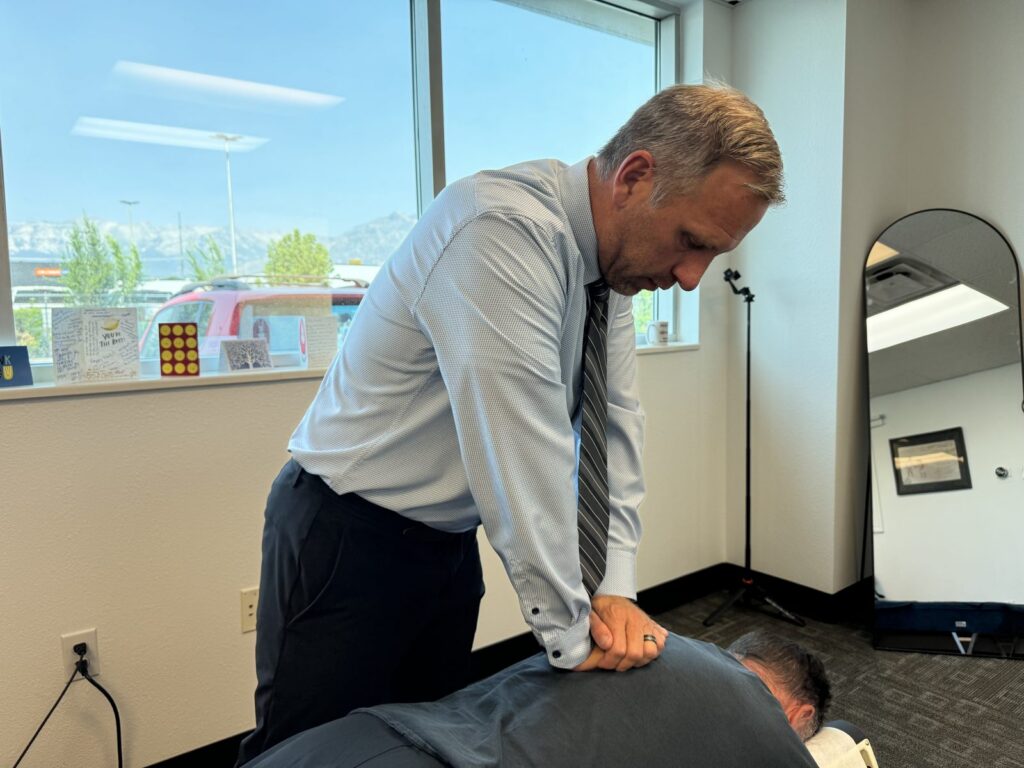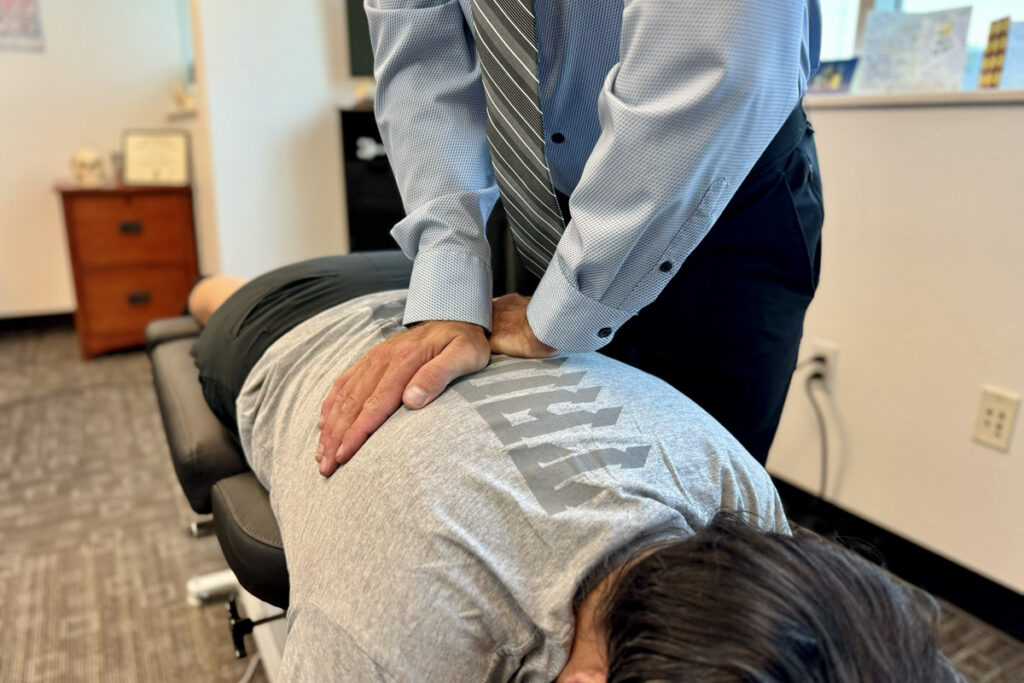
If you’ve ever felt a sharp, burning pain shoot from your lower back down through your leg, you already know how disruptive sciatica can be. It can make sitting at a desk feel unbearable, turn a short walk into an ordeal, and keep you awake at night wondering what’s going wrong in your body. Here in American Fork, UT, Dr. Scott Graziosa and the team at Life Aligned Chiropractic see patients dealing with this exact kind of pain on a regular basis. Understanding what causes sciatica is the first step toward finding real, lasting relief — and that’s exactly what this article is here to help you do.
What is sciatica? Sciatica is not a diagnosis on its own — it’s a symptom. It describes pain that travels along the path of the sciatic nerve, which runs from your lower back, through your hips and buttocks, and down each leg. When that nerve gets irritated or compressed, it can produce a distinct set of painful, sometimes debilitating sensations.
- What Is Sciatica, Exactly?
- What Causes Sciatica?
- Signs and Symptoms to Watch For
- How Chiropractic Care Fits Into Sciatica Relief
- Practical Tips for Managing Sciatica at Home
- When to See a Chiropractor
- Sciatica Triggers vs. Aggravating Factors
- Myths vs. Facts About Sciatica
- Final Thoughts
What Is Sciatica, Exactly?
The sciatic nerve is the longest and widest nerve in the human body. It originates from several nerve roots in the lumbar spine (roughly L4 through S3), merges into a single large nerve, and travels all the way down to your foot. Because it covers so much ground, irritation or compression anywhere along that pathway can produce symptoms in a wide range of locations — your lower back, your buttock, your thigh, your calf, or even your toes.
What people experience as “sciatica” is really the nerve’s way of telling you that something is pressing on it or irritating it. The underlying cause is what determines the best course of care. That’s why a thorough evaluation — like the kind Dr. Scott Graziosa provides at Life Aligned Chiropractic in American Fork — is so important before starting any treatment plan.
It’s worth noting that sciatica is extremely common. Most people experience at least one episode in their lifetime, and many deal with it repeatedly if the root cause is never properly addressed.
What Causes Sciatica?
Understanding what causes sciatica means looking at the structures surrounding the sciatic nerve and figuring out what might be putting pressure on it. There are several well-established culprits, and knowing which one applies to you matters a great deal for recovery.
Herniated or Bulging Discs
This is the most common cause of sciatica. The discs that sit between your vertebrae act as shock absorbers. When one of those discs is damaged, worn down, or pushed out of position, the inner gel-like material can bulge or herniate outward and press directly on a nearby nerve root. In the lumbar spine, this often means the sciatic nerve is affected. If you’re dealing with a disc issue alongside your sciatic pain, our herniated disc treatment page has more detailed information on how we approach this.
Spinal Stenosis
Spinal stenosis is a narrowing of the spinal canal — the space through which the spinal cord and nerve roots travel. As we age, the tissues and bones around the spine can thicken or shift, gradually reducing that space. When the canal narrows enough to crowd the nerve roots, sciatica symptoms can develop. This type tends to be more common in adults over 50 and often worsens with prolonged standing or walking.
Piriformis Syndrome
The piriformis is a small muscle located deep in the buttock. In some people, the sciatic nerve runs directly through or beneath it. When the piriformis becomes tight, spasmed, or inflamed — which can happen from sitting too long, overuse, or injury — it can irritate the sciatic nerve directly. This is sometimes called “piriformis syndrome” and is worth distinguishing from spinal causes because the treatment approach can differ.
Degenerative Disc Disease
Over time, spinal discs naturally lose some of their height and hydration. This aging process, when it happens more significantly, is called degenerative disc disease. As discs shrink, the space between vertebrae narrows, which can alter how the joints move and increase pressure on nearby nerve tissue. While this sounds alarming, it’s a manageable condition — many people live comfortably with degenerative changes when they receive appropriate conservative care.
Spondylolisthesis
This condition occurs when one vertebra slips forward over the one below it. That shift can narrow the opening through which the nerve exits the spine and lead to compression. Spondylolisthesis can be caused by a stress fracture, degenerative changes, or in some cases, it’s present from birth.
Pregnancy
Many expecting mothers experience sciatic pain, particularly in the second and third trimesters. As the uterus grows, it can place pressure on the sciatic nerve. Postural changes and loosening of the pelvic ligaments during pregnancy can also contribute. This is why prenatal chiropractic care can be so valuable — gentle, specialized adjustments can help relieve nerve pressure and improve pelvic alignment throughout pregnancy.
Trauma or Injury
A fall, car accident, or direct impact to the lower back or pelvis can injure spinal structures and trigger sciatic pain. If your sciatica began after a vehicle collision, you may benefit from reading about common chiropractic treatments after a car accident in American Fork to understand what recovery might look like.
Signs and Symptoms to Watch For
Sciatica has a fairly recognizable set of symptoms, though the intensity and exact location can vary depending on the underlying cause and which nerve roots are involved. The most hallmark feature is pain that travels from the lower back or buttock into one leg — usually only on one side of the body.
Many patients describe the pain as burning, electric, or shooting. Some feel a deep, throbbing ache. Others experience tingling or a “pins and needles” sensation running down the leg, numbness in the foot or toes, or muscle weakness that makes it difficult to move the leg, foot, or toes. In some cases, prolonged sitting or standing makes it worse, while movement provides temporary relief.
It’s important to pay attention to these patterns because they give Dr. Scott Graziosa valuable clues about what’s happening anatomically. If you suspect sciatica or want a clearer picture of your options, our sciatica treatment page outlines how we evaluate and address these symptoms at Life Aligned Chiropractic.

How Chiropractic Care Fits Into Sciatica Relief
Chiropractic care is one of the most well-supported non-surgical, drug-free approaches for managing sciatica. The goal of chiropractic treatment is to identify the source of nerve irritation and reduce it through targeted, manual interventions that restore proper alignment and movement to the spine and pelvis.
At Life Aligned Chiropractic in American Fork, Dr. Scott Graziosa takes a thorough, individualized approach. Every patient who comes in with sciatic pain receives a careful evaluation of their spinal alignment, posture, movement patterns, and neurological function. From there, a care plan is developed around their specific situation — not a one-size-fits-all protocol.
Spinal adjustments are a core component of chiropractic care for sciatica. By gently correcting misalignments (called subluxations) in the lumbar spine and pelvis, adjustments can reduce direct pressure on the nerve roots and improve the way the joints move. Evidence from respected institutions including the National Center for Complementary and Integrative Health (NCCIH) suggests that spinal manipulation may provide meaningful relief for low back pain and related nerve symptoms.
In addition to adjustments, our team may incorporate spinal decompression therapy, which gently stretches the spine to take pressure off compressed discs and nerve roots. This is particularly helpful when a herniated disc is the primary driver of sciatica. We may also include physical therapy exercises and soft tissue work to support the healing process, strengthen supporting muscles, and help prevent future flare-ups.
Chiropractic care is not about masking the pain. It’s about identifying why the nerve is irritated and correcting the underlying structural issue. This approach is especially meaningful for those who want to avoid surgery or reduce their dependence on pain medications.
Practical Tips for Managing Sciatica at Home
While professional care is the most effective route to lasting relief, there are a number of things you can do at home to manage symptoms and avoid making things worse. These tips are meant to complement your care plan — not replace it.
First, pay attention to your posture, especially when sitting. Sitting for extended periods increases pressure on the lumbar discs and can aggravate sciatic nerve compression. If you work at a desk, make sure your chair supports the natural curve of your lower back, and try to get up and walk briefly every 30 to 45 minutes. A small lumbar roll or support cushion can make a big difference.
When sleeping, lying on your side with a pillow between your knees can help keep your spine and pelvis in a neutral position. Sleeping on your stomach tends to increase lumbar lordosis and can aggravate sciatica, so it’s generally best avoided during a flare-up.
Gentle movement is usually better than complete rest. Short, easy walks keep blood flowing to the affected area and help prevent muscles from tightening around the nerve. Avoid high-impact activities, heavy lifting, or any movement that consistently reproduces your symptoms until you’ve had a proper evaluation.
Applying ice to the lower back for 15 to 20 minutes during the first 48 to 72 hours of a flare-up can help reduce inflammation. After that initial period, some people find gentle heat more soothing for the muscle tension that often accompanies sciatica. Always place a cloth between the ice or heat pack and your skin.
When to See a Chiropractor
If sciatic pain has lasted more than a few days, is interfering with your daily life, or keeps coming back, it’s time to seek professional evaluation. Chiropractic care is particularly appropriate when pain is related to postural issues, spinal misalignment, disc problems, or piriformis involvement — all of which respond well to conservative, hands-on care.
That said, there are certain situations where you should seek urgent medical attention rather than waiting for a chiropractic appointment. These include sudden loss of bowel or bladder control, rapidly progressing weakness in one or both legs, or numbness in the groin or inner thigh area. These can be signs of a serious condition called cauda equina syndrome, which requires immediate medical intervention.
For the vast majority of sciatica cases, however, conservative care is both safe and effective. Research published in well-regarded journals consistently shows that most people with sciatica recover with non-surgical treatment. If you’re also dealing with related back pain or hip pain alongside your sciatica, Dr. Scott Graziosa can evaluate all of these areas together to create a comprehensive care plan. You can also learn more about whether chiropractic care is safe and effective for back pain from our dedicated resource on that topic.
Sciatica Triggers vs. Aggravating Factors
| Root Cause / Trigger | Common Aggravating Factors | Who Is Most at Risk |
|---|---|---|
| Herniated lumbar disc | Prolonged sitting, bending, coughing | Adults 30–50, desk workers |
| Spinal stenosis | Walking, extended standing | Adults 50+, those with arthritis |
| Piriformis syndrome | Sitting cross-legged, climbing stairs | Runners, cyclists, frequent sitters |
| Degenerative disc disease | Heavy lifting, repetitive twisting | Older adults, physically demanding jobs |
| Pregnancy-related compression | Third trimester posture, prolonged standing | Pregnant women, second/third trimester |
| Trauma / injury | Sudden movement, returning to activity too soon | Accident victims, athletes |
Myths vs. Facts About Sciatica
Myth: Sciatica is a diagnosis in itself.
Fact: Sciatica is a symptom, not a standalone condition. It describes pain along the sciatic nerve pathway, but the underlying cause — whether a herniated disc, spinal stenosis, or something else — must be identified to guide appropriate treatment. Treating sciatica without finding the root cause is like addressing a smoke alarm without looking for the fire.
Myth: You should stay in bed and rest until sciatica goes away.
Fact: Extended bed rest is generally not recommended for sciatica. Research consistently shows that staying gently active tends to support recovery better than prolonged rest. Gentle movement, walking, and appropriate therapeutic exercise are usually encouraged as part of a recovery plan.
Myth: Surgery is usually necessary for sciatica.
Fact: The majority of sciatica cases resolve with conservative, non-surgical care. Organizations like the American College of Physicians recommend trying non-invasive approaches — including spinal manipulation — before considering surgical options. Surgery is typically reserved for cases where there is severe nerve compression causing progressive neurological symptoms that don’t respond to conservative treatment.
Myth: Sciatica only affects older people.
Fact: While degenerative changes become more common with age, sciatica can affect people of all ages. Younger adults who sit for long periods, athletes who experience disc injuries, and pregnant women are all populations that can develop sciatic pain. Here in American Fork, Dr. Scott Graziosa regularly sees patients across a wide age range dealing with this condition.
Myth: Once you have sciatica, it always comes back.
Fact: Recurrence is common when the underlying structural issues and contributing lifestyle factors are not addressed. However, with proper chiropractic care, corrective exercises, and ergonomic adjustments, many patients experience significant, long-lasting relief and are able to prevent future episodes.
Final Thoughts
Sciatica can feel like a lot — the sharp, shooting pain, the uncertainty about what’s causing it, and the worry that it might never go away. But the truth is, most people with sciatica get better with the right kind of conservative care, and understanding what causes sciatica puts you in a much stronger position to take meaningful action.
At Life Aligned Chiropractic in American Fork, UT, Dr. Scott Graziosa is dedicated to helping patients in our community get to the root of their pain, not just manage symptoms temporarily. Whether your sciatica is related to a disc issue, spinal misalignment, piriformis tightness, or something that developed during pregnancy, there is a thoughtful, personalized approach available to you right here in your community. You can explore more about the full range of chiropractic care services we offer to see how we might be able to help.
If you’re tired of letting sciatic pain run your life, know that you don’t have to figure it out alone. Our team is here, we’re local, and we genuinely care about helping the people of American Fork feel their best.
Frequently Asked Questions
How long does sciatica typically last?
The duration varies widely depending on the underlying cause and the treatment approach. Mild cases may resolve within a few weeks, while more complex cases related to disc herniation or stenosis can take several months with consistent care. Early evaluation and treatment tend to support faster recovery.
Can chiropractic adjustments make sciatica worse?
When performed by a qualified chiropractor who has thoroughly evaluated the cause of your sciatica, adjustments are generally safe and well-tolerated. Dr. Scott Graziosa at Life Aligned Chiropractic takes care to assess each patient’s condition before beginning any treatment. In rare cases, certain adjustment techniques may be modified or avoided based on a patient’s specific diagnosis.
Is it safe to exercise with sciatica?
Gentle, low-impact movement is generally encouraged for most people with sciatica. However, the specific exercises that are appropriate depend entirely on the underlying cause. Your chiropractor can guide you on which movements are safe and which to avoid during your recovery.
What is the difference between sciatica and a pinched nerve?
Sciatica is actually a form of pinched nerve — specifically, it refers to irritation or compression of the sciatic nerve. The term “pinched nerve” is broader and can refer to nerve compression at any location in the body. Sciatica is a specific pattern of symptoms related to the sciatic nerve pathway in the lower body.
Can sitting at a desk all day cause sciatica?
Prolonged sitting doesn’t directly cause sciatica, but it can be a significant contributing factor. Extended sitting increases pressure on the lumbar discs and can tighten the piriformis muscle, both of which can aggravate or provoke sciatic symptoms over time. Frequent breaks, good ergonomics, and supportive seating can help reduce this risk.
Does sciatica always involve back pain?
Not necessarily. Some people with sciatica experience leg pain, tingling, or numbness without significant lower back pain — especially when the irritation is further along the nerve pathway. Others primarily feel discomfort in the buttock or hip region. The presentation varies based on which part of the nerve is affected and what’s causing the irritation.
TL;DR Summary
- Sciatica is a symptom — not a standalone condition — caused by irritation or compression of the sciatic nerve, most commonly from a herniated disc, spinal stenosis, piriformis syndrome, or degenerative changes.
- Symptoms include shooting or burning pain, tingling, numbness, and weakness that typically travel from the lower back or buttock into one leg.
- Chiropractic care — including spinal adjustments, spinal decompression, and physical therapy — is a well-supported, non-surgical approach to addressing the root causes of sciatica.
- Most people recover from sciatica without surgery when they receive proper conservative care and make appropriate lifestyle adjustments.
- If your sciatic pain is persistent, recurring, or interfering with your daily life, a thorough evaluation with Dr. Scott Graziosa at Life Aligned Chiropractic in American Fork, UT is a great place to start.