
If you’ve ever woken up in the middle of the night with your hands tingling and numb, or struggled to grip a coffee mug in the morning, you already know how disruptive carpal tunnel syndrome can be. It has a way of sneaking into nearly every part of your daily life — from typing at a desk to cooking dinner to simply holding your phone. Here in American Fork, UT, Dr. Scott Graziosa and the team at Life Aligned Chiropractic work with patients who are living with this condition every day. This article is designed to help you understand what carpal tunnel syndrome really is, what makes it worse, and — most importantly — what you can do to manage it and feel better.
What Is Carpal Tunnel Syndrome?
Carpal tunnel syndrome (CTS) is a condition caused by compression of the median nerve as it travels through a narrow passageway in the wrist called the carpal tunnel. This compression leads to pain, numbness, tingling, and weakness in the hand and fingers — particularly the thumb, index, middle, and part of the ring finger. It’s one of the most common nerve compression conditions affecting adults, and it tends to get worse without attention.
- What Causes Carpal Tunnel Syndrome?
- Signs and Symptoms to Recognize
- How Chiropractic Care Fits Into Your Recovery
- Practical Lifestyle Tips for Managing Carpal Tunnel
- Common Triggers vs. Helpful Modifications
- When to See a Chiropractor
- Myths vs. Facts About Carpal Tunnel Syndrome
- Final Thoughts from Life Aligned Chiropractic
What Causes Carpal Tunnel Syndrome?
Understanding why carpal tunnel syndrome develops is the first step toward managing it. The carpal tunnel is a narrow channel formed by bones and ligaments in your wrist. Running through it is the median nerve, which controls sensation and some muscle movement in your hand. When the tissues surrounding this tunnel become inflamed or swollen — for any number of reasons — that nerve gets compressed, and symptoms follow.

Repetitive hand and wrist movements are one of the most well-known contributors. If your job or hobby involves prolonged typing, assembly work, playing an instrument, or using vibrating tools, those repeated motions can gradually irritate the surrounding tendons and narrow the available space in the tunnel. Awkward wrist positions held for long periods make this worse.
There are also systemic factors that increase a person’s risk. Conditions like diabetes, thyroid disorders, rheumatoid arthritis, and obesity are all associated with a higher likelihood of developing carpal tunnel syndrome. Pregnancy is another notable cause — fluid retention during pregnancy can put significant pressure on the median nerve, which is why many expectant mothers experience wrist and hand symptoms. If this applies to you, it’s worth knowing that conservative care options exist during this time, and our team is experienced with prenatal patients through our prenatal chiropractic care approach.
It’s also worth noting that the wrist doesn’t function in isolation. The median nerve originates from the cervical spine — the neck region — and travels all the way down the arm to the hand. Restrictions or misalignments higher up, particularly in the neck or elbow, can compound the pressure on the nerve. This is sometimes referred to as a “double crush” phenomenon, and it’s one reason a comprehensive evaluation of the entire upper extremity is so important.
Signs and Symptoms to Recognize
Carpal tunnel syndrome has a fairly recognizable symptom pattern, though it can vary in intensity from person to person. The most common early symptom is intermittent tingling or numbness in the thumb, index, middle, and ring fingers — often described as a “falling asleep” sensation. Many people first notice this at night, because the wrist tends to curl during sleep, increasing pressure on the nerve.
As the condition progresses, symptoms can begin appearing during everyday activities. Gripping a steering wheel, holding a phone, typing, or even reading a book may trigger discomfort. Some people report a burning sensation or aching pain that radiates up the forearm. In more advanced cases, there may be noticeable weakness in the hand, making it difficult to pinch or grasp small objects.
One clue that your symptoms may involve carpal tunnel syndrome rather than something else — like a pinched nerve in the neck — is the specific finger distribution. The little finger is typically spared in carpal tunnel syndrome because a different nerve supplies it. That said, a proper clinical evaluation is the only reliable way to identify what’s truly going on. If you’ve been dealing with pinched nerve symptoms, it’s worth getting assessed to determine exactly where the nerve is being compressed.
Shoulder and neck tension can sometimes mimic or worsen upper extremity symptoms. Dr. Scott Graziosa often evaluates these connected regions during an initial assessment because treating only the wrist while ignoring upstream contributors may result in incomplete relief.
How Chiropractic Care Fits Into Your Recovery
One of the most common questions patients ask is whether chiropractic care can actually help with carpal tunnel syndrome. The honest answer is: for many people, it can play a meaningful supportive role. Chiropractic care is non-invasive, drug-free, and focused on restoring proper function to the joints, muscles, and nervous system — all of which are relevant when you’re dealing with nerve compression.
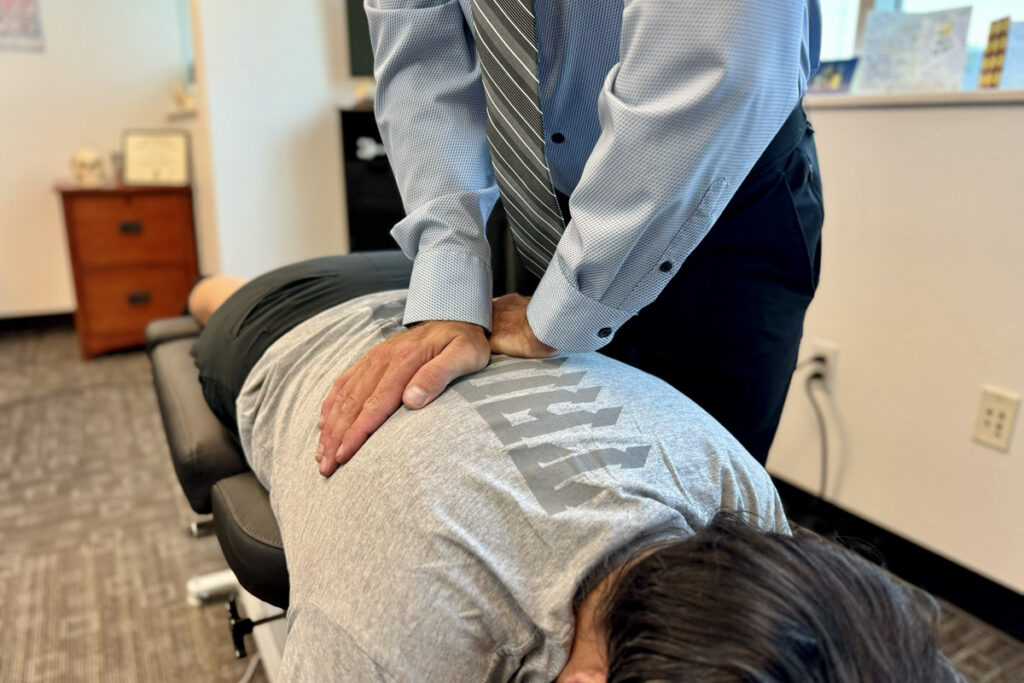
At Life Aligned Chiropractic, Dr. Scott Graziosa takes a thorough approach. Rather than treating the wrist in isolation, a full evaluation considers the cervical spine, shoulder, elbow, and wrist as an interconnected system. If there are restrictions in the neck that are contributing to nerve tension or reducing the nerve’s ability to tolerate additional stress at the wrist, addressing those restrictions may significantly improve outcomes. This is one of the reasons our carpal tunnel treatment approach looks beyond just the wrist itself.
Chiropractic adjustments to the wrist, elbow, and cervical spine can help restore normal joint mechanics and reduce the mechanical stress placed on the median nerve. In addition to adjustments, soft tissue work, nerve mobilization techniques, and supportive rehabilitation exercises may all be incorporated based on what the individual patient needs. Evidence from conservative care research suggests that manual therapy approaches can help reduce symptoms and improve hand function in patients with mild to moderate carpal tunnel syndrome.
For patients whose carpal tunnel symptoms are accompanied by other issues — such as shoulder pain or upper back tension — a combined approach that integrates chiropractic adjustments with targeted rehabilitation is often the most effective path forward. Our team also offers physical therapy services to support your recovery with strengthening and mobility work that complements chiropractic care.
Practical Lifestyle Tips for Managing Carpal Tunnel
While professional care is important, the changes you make day-to-day have a significant impact on how well you manage carpal tunnel syndrome. Small, consistent adjustments to your habits and environment can reduce irritation, slow progression, and help you feel more comfortable throughout the day.
Start with your workspace setup. If you spend a significant portion of your day at a computer, the position of your keyboard and mouse matters enormously. Ideally, your wrists should be in a neutral position — not bent upward or downward — while you type. Keeping your elbows at roughly a 90-degree angle and your shoulders relaxed helps reduce strain throughout the arm. A wrist rest can help maintain neutral wrist positioning between active typing sessions, though it should not be used while actively typing.
Taking regular breaks from repetitive hand movements is also critical. Even brief pauses every 30 to 45 minutes to gently stretch the fingers and rotate the wrists can help reduce inflammation and give the nerve some recovery time. Gentle wrist extension and flexion stretches — performed slowly and within a comfortable range — are a good starting point, though Dr. Scott Graziosa can guide you toward exercises that are appropriate for your specific situation.
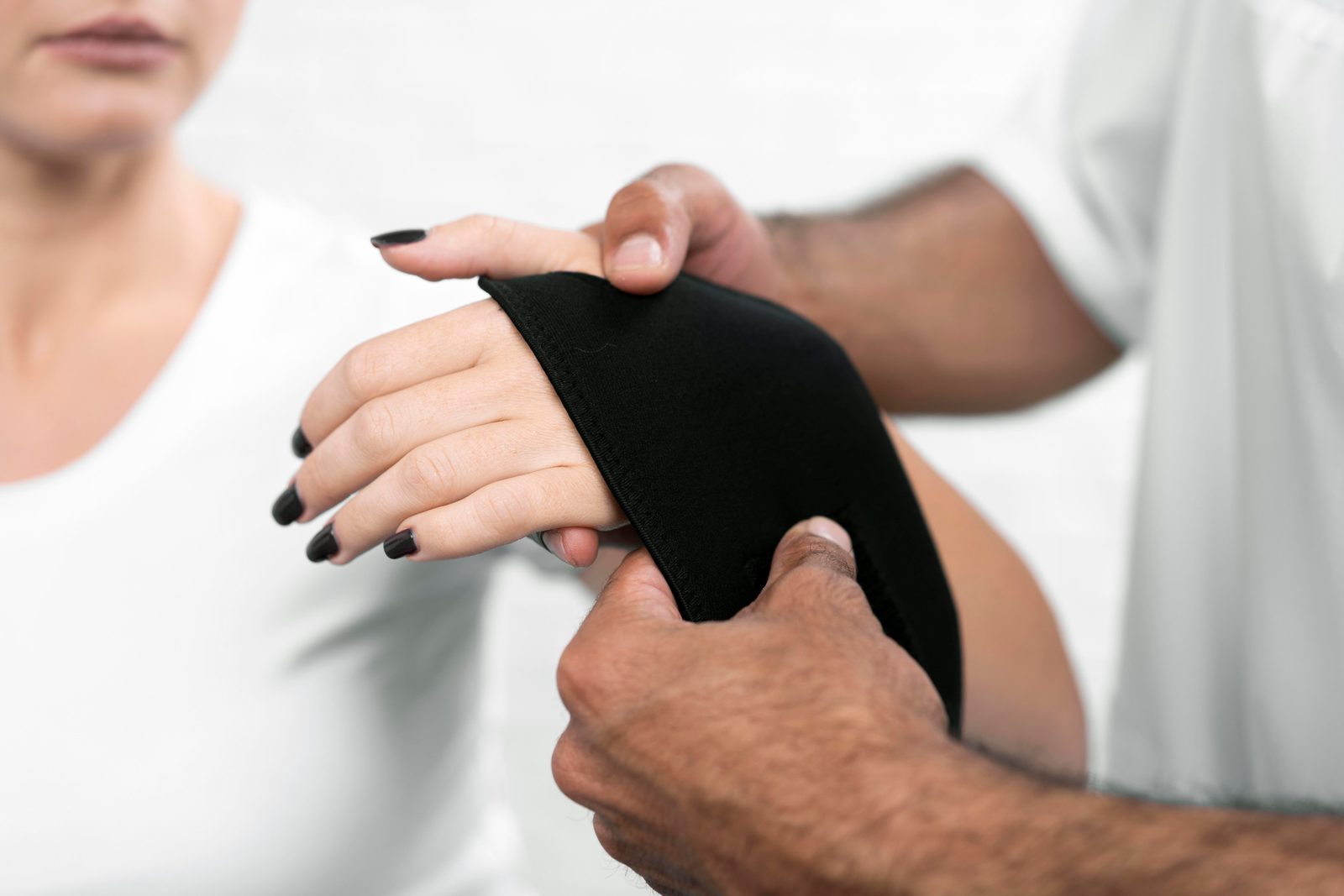
Consider your sleeping position as well. Sleeping with a bent wrist — which many people do naturally — can dramatically worsen nighttime symptoms. A neutral wrist splint worn during sleep keeps the wrist in a safe position and reduces that middle-of-the-night numbness that many carpal tunnel sufferers dread. This is a simple, low-cost intervention that can make a noticeable difference quickly.
Anti-inflammatory lifestyle habits also matter. Staying hydrated, maintaining a healthy weight, limiting processed and high-sugar foods, and managing conditions like diabetes or thyroid disorders all support tissue health and can reduce the likelihood of nerve compression worsening. Movement throughout the day — even short walks — helps circulation and reduces systemic inflammation.
Common Triggers vs. Helpful Modifications
| Common Trigger | Helpful Modification |
|---|---|
| Typing with wrists bent upward | Keep wrists flat and neutral; use a padded wrist rest |
| Sleeping with wrist curled under pillow | Wear a neutral wrist splint at night |
| Gripping tools or steering wheel tightly | Use padded grips; alternate hands when possible |
| Long periods without movement breaks | Set a timer to take breaks every 30–45 minutes |
| Mouse positioned too far from the body | Keep the mouse close to minimize wrist extension |
| Ignoring early numbness or tingling | Seek evaluation early before symptoms worsen |
When to See a Chiropractor
A good rule of thumb: if your symptoms have been present for more than a few weeks, are disrupting your sleep, or are interfering with your ability to work or do the things you enjoy, it’s time to get evaluated. Carpal tunnel syndrome is generally more manageable when addressed in its earlier stages. Waiting until symptoms are severe can limit your conservative care options and increase the likelihood of needing more invasive interventions.
Signs that you should seek care soon include progressive weakness in the hand, persistent numbness that doesn’t resolve with rest or wrist splinting, or symptoms that are spreading up the forearm. These may indicate that nerve compression is worsening and warrants professional attention.
There are also red flags that suggest a medical referral beyond chiropractic may be necessary. Severe muscle wasting at the base of the thumb, complete loss of sensation, or symptoms that develop suddenly following a trauma should be evaluated by a medical professional promptly. Dr. Scott Graziosa is committed to transparent communication — if your condition needs a different level of care, you’ll be told clearly and referred appropriately.
For those wondering about general musculoskeletal wellness beyond carpal tunnel, Life Aligned Chiropractic offers wellness chiropractic care designed to support your overall function and quality of life on an ongoing basis.
Myths vs. Facts About Carpal Tunnel Syndrome
Myth: Carpal tunnel syndrome only affects people who type all day.
Fact: While repetitive keyboard use is a well-known risk factor, carpal tunnel syndrome can develop in anyone. Assembly workers, musicians, hairdressers, pregnant women, and people with metabolic conditions like diabetes or thyroid disorders are all susceptible. The condition has many contributing factors beyond computer use.
Myth: Surgery is the only real solution for carpal tunnel syndrome.
Fact: Surgery is one option, particularly for severe cases, but it is not the only solution — and it’s rarely the first one recommended. Conservative approaches including chiropractic care, splinting, activity modification, and rehabilitation exercises have been shown to provide meaningful relief for many patients with mild to moderate carpal tunnel syndrome. Many people avoid surgery entirely with the right conservative care plan.
Myth: If you have carpal tunnel syndrome, you just have to live with the pain.
Fact: Many patients experience significant improvement with appropriate treatment and lifestyle changes. While carpal tunnel syndrome is a real and sometimes persistent condition, it is far from untreatable. Early intervention and consistent self-care make a real difference in long-term outcomes.
Myth: Wrist pain always means carpal tunnel syndrome.
Fact: Wrist pain can have many different causes — tendinitis, arthritis, sprains, nerve compression from the neck or elbow, and more. Similarly, not all numbness and tingling in the hand is due to carpal tunnel. Proper diagnosis is essential before any treatment plan is implemented, which is why a thorough clinical evaluation is the starting point.
Myth: Chiropractic care is only for back and neck problems.
Fact: Chiropractic care addresses the entire musculoskeletal and nervous system. Chiropractors are trained to evaluate and treat extremity joints — including the wrist, elbow, and shoulder — and to identify how spinal dysfunction may be contributing to symptoms throughout the body. If you’ve been curious about whether chiropractic can address more than just back pain, the answer is a clear yes.
Final Thoughts from Life Aligned Chiropractic
Living with carpal tunnel syndrome doesn’t have to mean living in pain or giving up the activities you care about. With the right understanding of what’s driving your symptoms, a thoughtful conservative care plan, and some deliberate lifestyle adjustments, most people can experience meaningful improvement and protect their long-term hand health.
Here in American Fork, UT, Dr. Scott Graziosa and the team at Life Aligned Chiropractic are here to help you make sense of what’s happening in your body and work toward real, lasting relief. Whether you’re just beginning to notice tingling in your fingers or you’ve been managing carpal tunnel symptoms for a while, it’s never too early — or too late — to seek a thorough evaluation and explore your options.
We’re proud to serve the American Fork community and the broader Utah Valley area with compassionate, individualized care. If you’re ready to take the next step, we’d love to be part of your journey toward better health.
Frequently Asked Questions
Can carpal tunnel syndrome go away on its own?
In mild cases — particularly those related to temporary factors like pregnancy or a short period of intense repetitive work — symptoms may improve on their own with rest and activity modification. However, many cases persist or worsen without some form of intervention. Getting an early evaluation helps you understand the severity and make informed decisions.
Is it safe to exercise with carpal tunnel syndrome?
Generally, yes — with some modifications. Activities that aggravate wrist symptoms should be temporarily reduced or modified, but staying physically active is important for overall health. Dr. Scott Graziosa can recommend specific exercises and modifications that support recovery without worsening the condition.
Can chiropractic adjustments to the neck actually help wrist symptoms?
For some patients, yes. The median nerve originates in the cervical spine, and restrictions in the neck can contribute to nerve irritation throughout the arm. Addressing cervical joint restrictions as part of a comprehensive care plan may reduce the total load on the nerve and improve symptoms. This is something Dr. Scott Graziosa evaluates on an individual basis.
How long does it take to see improvement with conservative care?
This varies depending on the severity of the condition, how long it’s been present, and how consistently lifestyle modifications are implemented. Many patients begin to notice improvement within a few weeks of beginning care, though more chronic cases may take longer. Realistic expectations and consistent follow-through are key.
Should I wear a wrist brace all day or just at night?
Most conservative care guidelines recommend wearing a neutral wrist splint primarily at night to prevent the wrist from curling during sleep. Wearing a brace all day may actually weaken the muscles of the wrist over time if done excessively. Your care provider can help determine what’s appropriate for your specific situation.
When does carpal tunnel syndrome require surgery?
Surgery is typically considered when conservative care options have been exhausted and symptoms remain severe, when there is significant muscle wasting at the base of the thumb, or when nerve conduction studies indicate serious nerve damage. Many patients avoid surgery with timely and appropriate conservative care.
TL;DR Summary
- Carpal tunnel syndrome is caused by compression of the median nerve in the wrist, leading to numbness, tingling, pain, and weakness in the hand and fingers.
- It can be triggered by repetitive hand movements, awkward wrist positioning, pregnancy, and systemic conditions like diabetes — not just computer use.
- Chiropractic care at Life Aligned Chiropractic in American Fork, UT evaluates the entire upper extremity and spine, not just the wrist, to address root contributing factors.
- Practical lifestyle changes — including ergonomic adjustments, nighttime splinting, and regular movement breaks — can significantly reduce symptoms and slow progression.
- Early evaluation is key; most mild to moderate cases respond well to conservative care, and surgery is not inevitable.