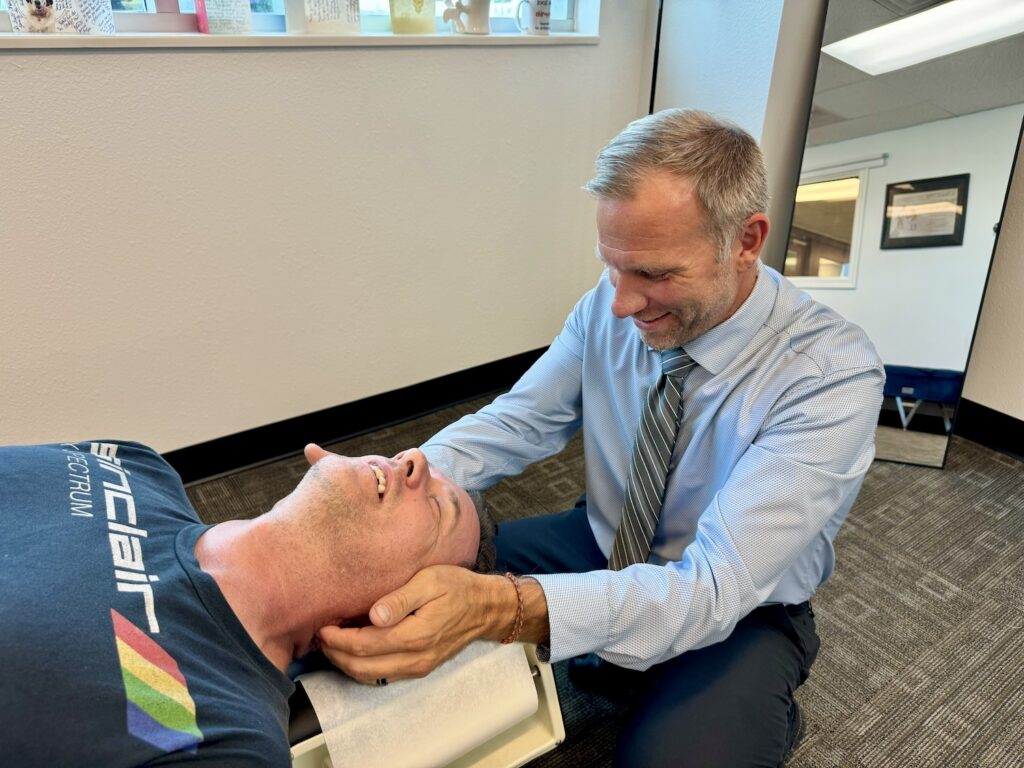
As a local chiropractor, I want to take a moment to address a common issue many of my patients face: back pain due to poor posture. You’re not alone in this struggle; it’s a challenge that affects countless individuals because of everyday habits we often overlook. Understanding the connection between your posture and back health is a crucial first step towards finding relief.
Many people may not realize how their daily activities can impact their posture, leading to discomfort and pain. That’s where we come in. By making ergonomic adjustments in your work and home environments, along with specific exercises tailored to strengthen your back, you can begin to alleviate that persistent pain.
So, what should you focus on to improve your back health? Let’s explore some effective strategies together. Through a combination of chiropractic care, posture education, and natural healing techniques, we can work towards restoring balance and comfort to your spine. Remember, taking proactive steps today can lead to a healthier, pain-free tomorrow.
Understanding Posture-Related Back Pain
As a local chiropractor, I often see patients who are unaware of how their posture can significantly impact their back health. When you slouch or sit in a way that doesn’t support your spine, it can create undue stress on your back and the surrounding muscles. Over time, this can lead to discomfort and pain.
Initially, you mightn’t notice the effects, but habits like leaning forward or hunching your shoulders can cause muscle imbalances that contribute to stiffness and limit your mobility.
Your back muscles are essential for supporting your body, and when they’re misaligned due to poor posture, they can become fatigued and sore. Many of my patients report experiencing tension in their lower back or even headaches as a result of this strain.
That’s why it’s crucial to be mindful of your posture throughout the day—whether you’re sitting at a desk, standing, or walking.
By making small adjustments and becoming more aware of how you hold your body, you can alleviate discomfort. As a chiropractor, I’m here to help you understand the importance of proper alignment and guide you toward natural healing methods that can improve your overall well-being.
The Importance of Ergonomics
As a local chiropractor, I want to emphasize the importance of setting up your workspace in an ergonomic manner to help alleviate back pain.
Many individuals are unaware of how simple adjustments can enhance their comfort and overall well-being. By properly adjusting your chair and desk height, as well as positioning your screen at eye level, you can create a workspace that supports your body’s natural alignment.
These small yet impactful modifications can lead to significant relief from discomfort and may even prevent future issues.
Let’s delve into how these changes can benefit your health and contribute to a more productive work environment.
Ergonomic Workspace Setup
As a local chiropractor, I want to emphasize the importance of creating an ergonomic workspace to help prevent back pain and boost your productivity. One of the first steps is to ensure your monitor is at eye level. This adjustment helps prevent unnecessary strain on your neck, which can lead to discomfort over time.
Next, consider the positioning of your keyboard and mouse. Ideally, they should be placed close enough to you so that your elbows can remain at a comfortable 90-degree angle. This small change can significantly reduce tension in your shoulders, promoting better posture.
If your feet don’t reach the ground comfortably, using a footrest can provide the support you need.
It’s also crucial to adjust your chair to support your lower back. A chair that maintains the natural curve of your spine can alleviate pressure and encourage proper alignment.
Make sure that frequently used items are within arm’s reach to avoid twisting or stretching your body awkwardly, which can lead to strain.
Lastly, don’t forget the importance of taking regular breaks throughout your day. Stretching and moving around can have a tremendous impact on your overall well-being.
By following these ergonomic principles, you’ll not only create a more comfortable workspace but also support your body’s health and vitality.
Chair and Desk Height
As a local chiropractor, I want to emphasize how crucial the right chair and desk height can be for your overall well-being. You might think it’s a small detail, but it plays a significant role in your comfort and productivity.
When your workspace is aligned with your body’s natural posture, you can experience a range of benefits that promote better health and efficiency. Here’s why it’s worth your attention:
- Increased Comfort: A properly adjusted chair and desk will keep you relaxed, minimizing the urge to shift around and fidget, which can lead to discomfort over time.
- Enhanced Focus: When you’re not dealing with discomfort or pain, it becomes much easier to concentrate on your tasks. Your mind can stay focused on what you need to accomplish without distractions.
- Reduced Risk of Injury: The right height can significantly decrease the chances of developing long-term back issues, neck pain, and fatigue—all common complaints I see in patients who spend long hours at a desk.
- Boosted Productivity: Comfort is key to efficiency. When you’re comfortable in your workspace, you’re likely to work better and more effectively.
I encourage you to take the time to assess your workstation setup. It may seem like a minor adjustment, but this small change can lead to significant improvements in your health and daily life!
Proper Screen Positioning
As a chiropractor, I often see patients struggling with discomfort and pain related to poor workstation ergonomics. After you’ve made sure that your chair and desk are properly adjusted, let’s talk about the importance of screen positioning.
Ideally, your monitor should be placed about an arm’s length away from you, with the top of the screen aligned with or just below your eye level. This setup is crucial because it helps keep your neck in a natural position, reducing strain and discomfort.
It’s also important to angle the screen so that you can look at it slightly downward. This simple adjustment can significantly minimize eye fatigue and promote better posture, which is essential for maintaining spinal health.
If you’re using multiple monitors, make sure your primary screen is directly in front of you, while positioning the additional screens at a slight angle to avoid twisting your neck.
Additionally, don’t forget to keep your screen clean and free from glare. A clear view enhances visibility and comfort, allowing you to work more effectively.
Proper screen positioning is key to maintaining good posture and preventing back pain, especially during those long hours at your desk. Investing in your workstation setup can lead to better overall health and well-being.
Exercises to Strengthen Your Back
As your local chiropractor, I want to emphasize the importance of strengthening your back for overall stability and pain relief.
A strong back contributes not only to better posture but also to improved functionality in your daily activities. By incorporating specific exercises into your routine, you can effectively target key muscle groups that support your spine.
I encourage you to embrace these exercises with consistency and dedication. As you do, you may begin to experience significant improvements in your back health.
Importance of Back Strength
As a local chiropractor, I want to emphasize the importance of building a strong back—not just for alleviating pain, but for enhancing your overall physical performance and improving your posture.
Many people overlook the role of back strength in their daily lives, but I assure you, the benefits are significant. Here are some emotional and physical advantages of prioritizing back strength that I often share with my patients:
- Increased Confidence: When your back muscles are strong, they support better posture. Standing tall not only helps you physically but also boosts your self-assurance in social and professional situations.
- Reduced Pain: By strengthening your back, you may experience less discomfort. This reduction in pain can open the door to engaging in activities you love, whether it’s playing with your kids, working in your garden, or pursuing a favorite hobby.
- Better Mobility: A strong back contributes to your flexibility and range of motion. This means that everyday movements—like bending, lifting, or reaching—become easier and more enjoyable, allowing you to stay active and engaged in life.
- Enhanced Resilience: With a robust back, you’ll have a greater ability to handle physical challenges and recover from injuries more effectively. This resilience can lead to a more active lifestyle and better overall health.
I encourage you to invest in your back strength today!
Whether through targeted exercises, chiropractic adjustments, or lifestyle changes, taking care of your back is a crucial step toward achieving a healthier, more fulfilling life.
Effective Strengthening Exercises
As a chiropractor dedicated to helping you achieve optimal health, I want to emphasize the importance of strengthening your back through a variety of targeted exercises. These movements not only support spinal health but also enhance your overall well-being.
Let’s start with planks. This simple yet effective exercise engages your core and lower back muscles. Aim to hold the plank position for about 20-30 seconds.
Next, consider incorporating bird-dogs into your routine. While on your hands and knees, extend one arm and the opposite leg, holding for a few seconds before switching sides. This exercise promotes balance and stability, which are crucial for a healthy spine.
Another excellent exercise is the Superman. Lie face down and lift both your arms and legs off the ground simultaneously, holding this position for a few seconds. This helps strengthen the muscles along your back.
Additionally, bent-over rows using dumbbells are an effective way to target your upper back. Hinge at your hips and pull the weights toward your torso, focusing on good form for maximum benefit.
Finally, don’t overlook the bridge exercise. Lie on your back with your knees bent and lift your hips towards the ceiling. This move not only strengthens your lower back but also engages your glutes.
For each of these exercises, aim for three sets of 10-15 repetitions. By consistently incorporating these movements into your routine, you can build strength in your back, which is vital for supporting your spine and preventing discomfort.
Tips for Consistency
As a local chiropractor, I understand that sticking to a consistent exercise routine can be tough, particularly when it comes to strengthening your back. However, setting specific goals can significantly enhance your commitment to your health and well-being.
Here are some tips that I share with my patients to help you stay on track and motivated in your journey towards a healthier back:
- Schedule Your Workouts: Consider your exercise sessions as vital appointments for your health. I recommend blocking out time in your calendar specifically for these workouts to ensure you prioritize them.
- Track Your Progress: Keep a journal or use an app to record your exercises, the number of repetitions, and how you feel afterward. This not only helps you stay accountable but also allows you to celebrate your progress, no matter how small.
- Find a Workout Partner: Exercising with a buddy can greatly increase your accountability and make your workouts more enjoyable. Plus, it’s a great way to share tips and motivate each other.
- Vary Your Routine: Incorporating a variety of exercises can keep your routine exciting and prevent boredom. This is particularly important for maintaining motivation and ensuring you’re working different muscle groups effectively.
Remember, consistency is key when it comes to strengthening your back and improving your overall health.
Stretching for Relief and Flexibility
As a local chiropractor, I want to share how stretching can play a vital role in relieving back pain and enhancing your flexibility. Many individuals may not realize that incorporating regular stretching into your daily routine can significantly alleviate muscle tension and improve your range of motion.
To effectively address discomfort, it’s important to focus on stretches that specifically target your back, hips, and hamstrings. These areas are often culprits of pain, and by paying attention to them, you can find relief.
I recommend starting with a few simple stretches. The cat-cow stretch is fantastic for promoting spinal mobility, while the child’s pose can help you relax and unwind. Additionally, the seated forward bend is excellent for stretching your lower back. For maximum benefits, hold each stretch for 20-30 seconds and remember to breathe deeply throughout the process.
Always listen to your body; if something feels off or painful, it’s important to ease back. Stretching not only aids in relieving discomfort but also prepares your body for daily activities.
By committing to a consistent stretching routine, you’ll likely notice improvements in your posture and overall well-being. This proactive approach can make managing and preventing future back pain much easier.
As your chiropractor, I encourage you to explore these natural healing techniques for a healthier, more flexible body.
Daily Habits to Improve Posture
As a local chiropractor, I want to help you understand that improving your posture isn’t just about looking good; it’s about feeling great and staying healthy.
It starts with making small, intentional changes in your daily habits. By integrating these adjustments into your routine, you can enhance your comfort and confidence throughout the day.
- Mind Your Screen Height: Make sure your computer screen is at eye level. This alignment keeps your neck in a natural position and significantly reduces strain, helping to prevent discomfort in the long run.
- Take Frequent Breaks: It’s essential to stand up and stretch every 30 minutes. These brief pauses not only refresh your body but also rejuvenate your mind, making you more productive and focused.
- Engage Your Core: While sitting, try tightening your abdominal muscles. This simple action provides support to your spine and promotes better posture, which can help alleviate pain and discomfort.
- Choose Supportive Seating: Consider investing in a chair that offers proper support for your lower back. The right seating can make a remarkable difference in your daily comfort and overall well-being.
By being mindful of these habits, you can take significant steps toward better posture and a healthier lifestyle.
I’m here to guide you on this journey and provide you with more tips on how chiropractic care can support your body’s natural healing capabilities.
When to Seek Professional Help
As a local chiropractor, I want to emphasize the importance of listening to your body, especially when it comes to discomfort and pain. Even with your best efforts to improve your posture through daily habits, there may be times when you experience persistent discomfort.
If your back pain lingers for more than a few days or starts to interfere with your daily activities, it’s crucial to reach out for professional help. Ongoing pain can be a sign of underlying issues that need to be assessed by a qualified expert.
I encourage you to seek care if you notice symptoms like numbness, tingling, or weakness in your legs. These sensations could indicate nerve involvement, which requires prompt attention to prevent further complications.
Additionally, if your pain is accompanied by unexplained weight loss, fever, or issues with bowel and bladder function, it’s vital to consult a healthcare professional without delay.
As a chiropractor, I believe that early intervention is key to preventing more serious problems down the line. By addressing your concerns sooner rather than later, we can work together to help you return to your normal routine more quickly.
Conclusion
As a local chiropractor, I want to share some important insights about managing posture-related back pain. Understanding your posture is the first step toward relief. By making simple ergonomic adjustments in your workspace and daily activities, you can significantly reduce strain on your back.
In addition, committing to specific exercises tailored for back health can be incredibly beneficial. Incorporating regular stretching into your routine not only alleviates discomfort but also enhances your overall spinal health.
It’s essential to develop healthy daily habits that support your back. Remember, if your pain continues or intensifies, seeking professional guidance is crucial. Chiropractic care offers natural healing methods that can help restore balance and alleviate pain.
Taking proactive steps today can lead to a more comfortable, pain-free future. Prioritize your back health—you deserve to feel your best!