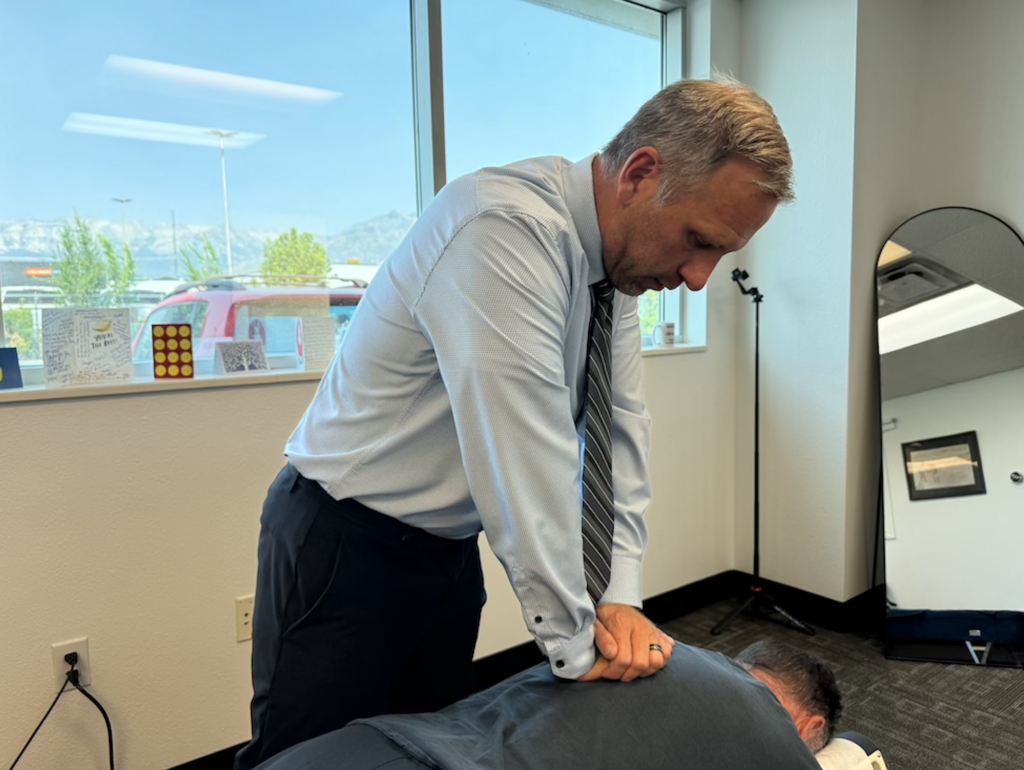
If you’ve ever experienced migraines or cervical pain, you understand just how disruptive they can be to your everyday life. Thankfully, managing these conditions can often be addressed through a holistic approach, with chiropractic care standing out as a powerful tool for relief. By focusing on the spine and nervous system, chiropractic adjustments can help alleviate pain and improve overall function, making it an excellent choice for those seeking natural healing.
One of the first steps in finding relief is understanding your pain triggers. Common culprits can include poor posture, stress, and even certain foods. By identifying these triggers, you can make informed lifestyle changes that may reduce the frequency and intensity of your migraines or cervical discomfort.
Incorporating regular chiropractic care into your routine can help keep your spine aligned and your nervous system functioning optimally. This not only aids in pain relief but can also enhance your overall well-being. Many patients find that consistent adjustments lead to fewer migraine episodes and a decrease in cervical pain over time.
In addition to chiropractic care, here are some general tips to help manage migraines and cervical pain:
- Maintain Good Posture: Pay attention to your posture throughout the day, especially if you spend long hours at a desk. Use ergonomic furniture and take regular breaks to stretch.
- Stay Hydrated: Dehydration can trigger migraines, so make sure to drink plenty of water throughout the day.
- Manage Stress: Techniques such as deep breathing, yoga, and meditation can help reduce stress levels, which is crucial for managing pain.
- Regular Exercise: Engaging in regular physical activity can help improve blood flow and reduce tension in the neck and shoulders.
- Sleep Hygiene: Establish a regular sleep schedule and create a restful environment to improve the quality of your sleep, which can significantly impact pain levels.
By integrating these strategies into your daily life and prioritizing chiropractic care, you can take important steps toward regaining control over your health and finding the relief you deserve. Remember, you don’t have to suffer in silence—there are effective, natural solutions available to help you feel your best.
Understanding Migraines and Cervical Pain
When you experience a migraine, it often comes with a host of symptoms, including cervical pain, which is pain in your neck. This discomfort usually arises from tension in your neck and shoulders, which can make your migraine feel even worse. You might notice that the pain starts at the base of your skull and can lead to tightness and stiffness, making it difficult to move your head comfortably.
Understanding the link between cervical pain and migraines is crucial. When your neck is tense, it can heighten the severity and duration of your migraines. You may find that certain positions or movements exacerbate the pain, creating a cycle that can be hard to break. It’s essential to listen to your body and recognize these signals. Identifying triggers, such as stress, poor posture, or prolonged sitting, can help you manage both migraines and cervical pain more effectively.
Chiropractic care can be a powerful tool in addressing these issues. By focusing on spinal health and alignment, chiropractic adjustments can help relieve tension in your neck and shoulders, which may reduce the intensity of your migraines. Regular chiropractic visits can also equip you with strategies to improve your posture and alleviate stress, contributing to overall wellness.
Here are a few tips to help manage your cervical pain and migraines naturally:
- Practice Good Posture: Whether you’re at a desk or using your phone, ensure that your posture is straight. Keeping your head aligned with your spine can help reduce tension.
- Stay Hydrated: Dehydration can trigger migraines, so make sure you’re drinking plenty of water throughout the day.
- Incorporate Gentle Stretching: Simple neck stretches can help relieve tension. Try tilting your head side to side or gently rolling your shoulders.
- Manage Stress: Techniques like deep breathing, meditation, or yoga can be beneficial in reducing stress levels and, consequently, migraine frequency.
- Schedule Regular Chiropractic Visits: Regular adjustments can help maintain spinal health and prevent tension build-up, reducing the likelihood of migraines.
Lifestyle Adjustments for Pain Management
Making lifestyle adjustments can significantly enhance your ability to manage pain, especially when paired with chiropractic care. Start by prioritizing a consistent sleep schedule; aim for seven to nine hours each night. Quality sleep is crucial for your body’s healing processes, which can help reduce headache frequency and improve overall well-being.
Stay hydrated, as dehydration can lead to migraines and worsen cervical pain. Drinking enough water supports your spinal health, helping to maintain the cushioning between your vertebrae.
Incorporating regular physical activity into your routine, such as walking or yoga, can greatly benefit your spine and relieve tension. These activities improve blood circulation and promote flexibility, which are essential for maintaining a healthy spine. Chiropractic adjustments can further enhance these benefits by aligning your body properly.
Pay close attention to your diet and identify any potential food triggers that may lead to discomfort. Keeping a food diary can be a helpful tool in this process. A balanced diet supports overall health and can reduce inflammation, which is linked to pain.
Stress management is also vital for pain relief. Consider practicing relaxation techniques, such as mindfulness or deep-breathing exercises, to help reduce tension in your body. Regular chiropractic visits can complement these practices by ensuring that your spine is aligned, which can promote a greater sense of relaxation and well-being.
Finally, be mindful of your posture, particularly if you spend long hours at a desk. Using ergonomic furniture can help, but remember to take regular breaks to stretch and move around. Good posture is essential for spinal health and can prevent pain from developing in the first place.
These lifestyle adjustments may seem small, but when combined with chiropractic care, they can lead to significant improvements in your pain management strategy and overall health. By focusing on natural healing and healthier living, you can achieve optimal wellness.
Natural Remedies and Alternative Therapies
Natural remedies and alternative therapies can be excellent companions to chiropractic care when it comes to managing migraines and promoting overall wellness. As a chiropractor, I believe that a holistic approach to health is essential for achieving optimal results.
For those seeking relief from migraines, incorporating herbal supplements like feverfew and butterbur may help reduce the frequency of attacks, as some studies have indicated. Additionally, essential oils such as peppermint and lavender can provide soothing relief—try applying them topically or inhaling their aroma when you feel tension building.
Acupuncture is another valuable option; many individuals find that it helps to alleviate pain and tension related to migraines. However, I encourage you to consider chiropractic adjustments as one of the most effective methods for addressing the root causes of your pain. By improving spinal alignment, chiropractic care can help alleviate cervical pain and tension, potentially easing your migraine symptoms.
Stress is a common trigger for migraines, and incorporating mindfulness practices like yoga and meditation can be incredibly beneficial. These activities not only help manage stress but also enhance your overall well-being.
Remember, maintaining proper hydration is crucial; drinking herbal teas throughout the day can support your body’s natural healing processes.
Medical Treatments and Interventions
While many people seek relief through various methods, chiropractic care offers a holistic approach to managing migraines and promoting overall wellness. Instead of relying on over-the-counter medications or prescription drugs, consider how chiropractic adjustments can help alleviate tension in the spine and neck, which may contribute to migraine symptoms.
Regular chiropractic visits can help improve spinal alignment, reduce nerve irritation, and promote better blood flow, all of which are essential for minimizing migraine attacks. In addition, chiropractors often provide personalized advice on posture, ergonomics, and stress management techniques that can help you identify and avoid migraine triggers.
Incorporating lifestyle changes can also be beneficial. Staying hydrated, maintaining a balanced diet, and practicing relaxation techniques, such as deep breathing or yoga, can enhance your body’s ability to cope with stress and tension.
Moreover, many chiropractors utilize complementary therapies, such as massage and acupuncture, which can further support natural healing and pain relief.
If you’re struggling with migraines, consider consulting with a chiropractor who can create a tailored plan focusing on natural health and wellness. By understanding your body and its needs, you can take proactive steps towards better migraine management and overall health.
When to Seek Professional Help
How can you tell when it’s time to explore natural solutions for your migraines? If your headaches are disrupting your daily life, it’s essential to consider holistic approaches, such as chiropractic care. Persistent migraines that don’t respond to typical over-the-counter solutions may indicate that your body could benefit from a tailored, natural treatment plan focused on spinal health and overall wellness.
It’s a good idea to reach out to a chiropractor if you notice your migraines worsening, becoming more frequent, or shifting in pattern. Furthermore, if you experience concerning symptoms like vision changes or severe nausea, consulting with a professional can help identify underlying issues that may be contributing to your discomfort.
Chiropractic care is a safe and effective way to address migraines by focusing on the alignment of the spine and the nervous system. Many patients find relief through gentle adjustments and lifestyle recommendations tailored to their individual needs.
Remember, seeking help is a proactive step toward better health and doesn’t reflect any weakness.
In addition to chiropractic adjustments, there are general strategies you can incorporate into your routine to support migraine relief. Maintaining a regular sleep schedule, staying hydrated, practicing stress management techniques, and paying attention to dietary triggers can all contribute to reducing the frequency and intensity of migraines.
Conclusion
Incorporating chiropractic care into your routine can significantly enhance your experience with migraines and cervical pain. By focusing on spinal health, you can unlock the body’s natural ability to heal itself. Adjustments made by a chiropractor help to realign the spine, relieve tension, and improve circulation, which can lead to a reduction in pain and discomfort.
In addition to chiropractic adjustments, consider making some simple lifestyle changes. Staying hydrated, maintaining good posture, and practicing stress-relief techniques such as deep breathing or gentle yoga can all contribute to better spinal health and overall wellness. Exploring natural remedies like heat therapy or essential oils might also provide some relief.
Remember, finding the right combination of chiropractic care and these healthy habits is essential for managing pain effectively. If you’re experiencing persistent discomfort, don’t hesitate to reach out to a chiropractor who can tailor a plan specifically for you. With a proactive approach to your spinal health, you can improve your quality of life and minimize the impact of migraines and cervical pain on your day-to-day activities. Embrace the journey to better health and let chiropractic care be your partner in achieving natural wellness.