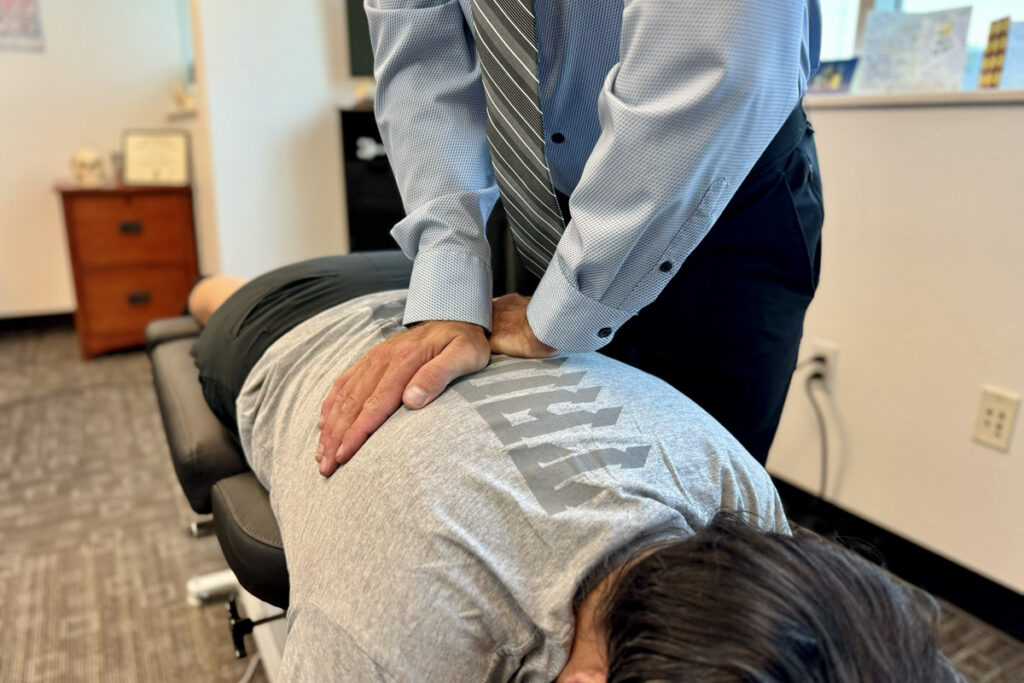
Migraines can be more than just a physical ailment; they often intertwine with your mental health. As a chiropractor, I want to emphasize that adjusting your headspace and adopting mindfulness practices can be a powerful part of managing these debilitating headaches. Techniques like deep breathing and meditation not only help you identify triggers but also reduce tension throughout the body.
However, understanding the full scope of migraine management is essential. One of the best ways to tackle migraines is by focusing on your spinal health. Misalignments in the spine can contribute to tension and pain, so regular chiropractic adjustments can help restore balance and alleviate migraine symptoms.
In addition to chiropractic care, consider integrating some lifestyle changes that can make a significant difference in your overall well-being. Staying hydrated, maintaining a healthy diet, and getting regular exercise can all contribute to reducing the frequency and severity of migraines. Ensuring you have a proper sleep routine and minimizing stress through relaxation techniques can also support your health.
Remember, your body and mind are interconnected, and taking a holistic approach to wellness can lead to lasting relief. By prioritizing chiropractic care and making these lifestyle adjustments, you can take meaningful steps toward saying goodbye to migraines.
Key Takeaways
Say Goodbye to Migraines: Adjust Your Headspace
As a local chiropractor, I want to share some effective strategies to help you manage migraines naturally, without resorting to medications or surgeries. Here are some tips to support your wellness and alleviate migraine pain:
- Mindfulness Matters: Engage in mindfulness techniques like meditation and deep breathing. These practices not only reduce stress but also help you become more aware of your migraine triggers. By understanding what sets off your migraines, you can make informed choices to avoid them.
- Sleep Consistency: Keeping a regular sleep schedule is crucial. Irregular sleep patterns can be a significant trigger for migraines. Aim for a consistent bedtime and wake-up time to promote better rest and recovery.
- Stay Hydrated and Nourished: Drinking plenty of water and eating balanced meals is essential. Dehydration and low blood sugar can lead to migraines, so ensure you fuel your body with the nutrients it needs and stay hydrated throughout the day.
- Chiropractic Care: Regular visits to a chiropractor can be incredibly beneficial. Chiropractic adjustments help improve spinal alignment, which can relieve tension in your body and reduce the frequency and intensity of migraines. Your chiropractor can provide personalized care that addresses your unique needs.
- Build Your Support Network: Connecting with friends and joining migraine relief communities can provide emotional support and practical coping strategies. Sharing experiences with others who understand what you’re going through can be incredibly comforting.
Taking these steps can lead to a healthier, more balanced life and significantly reduce the impact of migraines. Remember, chiropractic care is a natural and effective way to support your overall health and wellness. If you’re struggling with migraines, consider scheduling a consultation to explore how chiropractic can help you find relief.
Understanding the Link Between Mental Health and Migraines
While many people view migraines as strictly a physical issue, there’s a vital connection between mental health and these intense headaches that shouldn’t be overlooked. Stress, anxiety, and depression can all play a role in triggering or worsening migraine episodes. When you’re feeling overwhelmed, your body tends to respond with tension and inflammation, which can contribute to those painful throbbing sensations.
The cyclical nature of migraines can also have a significant impact on your mental well-being, creating a frustrating loop. The anxiety about potentially experiencing a migraine can heighten your overall stress levels, making it even more challenging to cope. Understanding this link is crucial for effectively managing migraines.
As a chiropractor, I want to emphasize that addressing both your physical and mental health is key to finding relief. Chiropractic care can help alleviate tension in your body, promote relaxation, and enhance overall wellness. By focusing on spinal health and ensuring your nervous system is functioning optimally, you can support your body’s natural ability to manage stress and reduce the frequency of migraines.
Here are a few tips to help you manage migraines naturally:
- Stay Hydrated: Dehydration can trigger migraines, so make sure you’re drinking plenty of water throughout the day.
- Practice Relaxation Techniques: Techniques such as deep breathing, meditation, or yoga can help reduce stress and tension.
- Maintain a Regular Sleep Schedule: Aim for consistent sleep patterns, as irregular sleep can be a migraine trigger.
- Eat Regularly: Skipping meals can lead to low blood sugar, which may provoke a migraine. Try to eat small, balanced meals throughout the day.
- Seek Chiropractic Care: Regular adjustments can help reduce tension in the spine and improve your overall health, which may lead to fewer migraine episodes.
By incorporating these tips and considering chiropractic care, you can take proactive steps towards managing your migraines and enhancing your overall well-being.
The Role of Mindfulness in Migraine Management
Mindfulness can be a valuable ally in managing your migraines, and when combined with chiropractic care, it can enhance your overall well-being. By integrating simple techniques like breathing exercises and stress reduction practices, you can take an active role in alleviating your pain. Chiropractic care focuses on spinal health, which is crucial for overall wellness and can help reduce the frequency and intensity of migraines.
Let’s dive into how these strategies can work together to support your migraine journey:
- Chiropractic Adjustments: Regular visits to your chiropractor can help align your spine, relieving tension and improving nervous system function. This can lead to a decrease in migraine occurrences and severity.
- Breathing Exercises: Practicing deep, mindful breathing can help calm your mind and body. Try inhaling deeply through your nose, holding for a few seconds, and then exhaling slowly through your mouth. This can be especially beneficial during a migraine, as it promotes relaxation.
- Stress Reduction: Chronic stress is a common trigger for migraines. Incorporating mindfulness techniques, like meditation or gentle yoga, can help lower stress levels. These practices encourage relaxation and help you become more aware of your body’s signals.
- Stay Hydrated: Dehydration can trigger migraines, so make sure to drink plenty of water throughout the day. Keeping hydrated is a simple yet effective way to support your overall health.
- Maintain a Regular Sleep Schedule: Quality sleep is essential for managing migraines. Aim for consistent sleep patterns to help your body recover and stay balanced.
By combining these mindfulness techniques with chiropractic care, you can create a comprehensive approach to managing migraines and improving your overall health.
Mindfulness Techniques Overview
A growing body of research underscores the effectiveness of mindfulness techniques in managing migraines, and as a chiropractor, I believe these practices can complement your journey toward optimal health.
By integrating mindfulness into your daily routine, you can enhance your awareness of thoughts and feelings, which may help in reducing the intensity and frequency of your migraines.
Simple techniques like focused breathing, body scans, and mindful observation can help you remain present, enabling you to identify potential migraine triggers and respond to pain more effectively.
Additionally, incorporating practices such as gratitude or mindful movement, like yoga, can significantly enhance your overall well-being.
Consistency is key; the more you engage in these practices, the better you’ll be at managing migraine episodes.
Embracing mindfulness can transform your mental space into a sanctuary, fostering resilience against the challenges posed by migraines.
Remember, chiropractic care plays a vital role in your health journey.
Regular adjustments can improve spinal alignment, support the nervous system, and promote better overall wellness.
Stress Reduction Practices
Understanding how stress contributes to migraines is crucial, especially since managing stress can significantly alleviate symptoms. As a chiropractor, I emphasize the importance of a holistic approach to health, and incorporating mindfulness practices into your daily routine can be a powerful tool for stress reduction and overall wellness.
Start by dedicating a few minutes each day to meditation or deep breathing exercises. Simply focus on your breath, letting go of distractions and tension. This practice can help calm your mind and ease the physical tension that often accompanies stress.
Consider adding yoga to your routine as well. Yoga combines gentle physical movement with mindfulness, promoting relaxation and enhancing your body’s awareness. It’s a fantastic way to improve flexibility and relieve tension in your spine, which can further assist in reducing migraine symptoms.
Another effective strategy is journaling. Writing down your thoughts can provide clarity and help release pent-up emotions, contributing to a more peaceful mindset. This practice not only aids in stress relief but can also support your overall mental health.
Remember, it’s all about finding what works best for you. By prioritizing stress reduction through these mindfulness techniques, you’ll equip yourself with valuable tools to manage migraines and improve your overall well-being.
And don’t forget, regular chiropractic care can complement these practices by addressing spinal misalignments that may contribute to stress and discomfort. Together, these approaches can lead you towards a healthier and more balanced life.
Breathing Exercises Benefits
While many treatments for migraines often lean towards medications, incorporating breathing exercises into your daily routine can be a powerful ally for managing migraine pain naturally. These exercises promote mindfulness, which helps you stay present and reduce stress—a common trigger for migraines. By concentrating on your breath, you can calm both your mind and body, fostering relaxation and easing tension.
Practicing deep breathing techniques regularly can enhance your awareness of physical sensations, enabling you to detect early signs of an impending migraine. This newfound awareness empowers you to take proactive steps—such as adjusting your posture or engaging in gentle stretching—to alleviate discomfort before it escalates.
Furthermore, the increased oxygen flow from these breathing exercises contributes to your overall well-being and vitality.
As a chiropractic care provider, I encourage you to make breathing exercises a part of your daily wellness routine. Coupled with regular chiropractic adjustments, which focus on aligning the spine and enhancing nervous system function, you can experience more effective migraine management.
Stress Reduction Techniques to Alleviate Headaches
To effectively address headaches, incorporating stress reduction techniques can truly make a difference. As a chiropractor, I believe that a holistic approach to health and wellness is key. Mindfulness meditation and deep breathing exercises are fantastic ways to calm both your mind and body. By reducing stress, you can alleviate tension that often contributes to headaches.
Adding these practices into your daily routine can enhance your overall well-being and may lead to a noticeable decrease in the frequency and intensity of your headaches.
Additionally, regular chiropractic adjustments can help align your spine, improve nerve function, and promote natural healing, which is essential for optimal health.
Remember, taking care of your body is a journey. Prioritize self-care by staying hydrated, maintaining good posture, and managing stress through relaxation techniques.
These small changes can have a big impact on your health and help you lead a more comfortable, pain-free life.
Mindfulness Meditation Practices
When dealing with the intense discomfort of migraines, finding ways to alleviate pain naturally is crucial. One effective approach is to incorporate mindfulness meditation practices into your daily routine. These techniques not only help reduce stress but also promote relaxation, which can be especially beneficial for your overall health and wellness. Here are some simple methods you can try:
| Technique | Duration | Benefits |
|---|---|---|
| Body Scan | 10 minutes | Relaxes tense muscles and reduces stress |
| Guided Imagery | 15 minutes | Enhances emotional well-being and promotes a positive mindset |
| Mindful Breathing | 5 minutes | Centers your thoughts and helps you stay grounded |
| Loving-kindness | 20 minutes | Fosters compassion for yourself and others, creating a sense of peace |
As a chiropractor, I believe that combining these mindfulness practices with regular chiropractic adjustments can lead to optimal health and natural pain relief. Chiropractic care focuses on aligning the spine and improving the nervous system, which can help reduce the frequency and intensity of migraines. Remember, living a healthier lifestyle—through proper spinal care, mindfulness, and self-compassion—can greatly enhance your well-being. Start incorporating these techniques today, and consider visiting your chiropractor for a personalized approach to your health needs.
Deep Breathing Exercises
Incorporating deep breathing exercises into your daily routine can significantly enhance stress reduction, which is crucial for managing headaches and migraines. As a chiropractor, I emphasize the importance of natural methods for promoting wellness.
When you focus on your breath, you activate your body’s relaxation response, helping to alleviate tension and support spinal health. Here’s how to get started with these simple exercises:
1. Find Your Space: Choose a quiet spot where you can sit or lie down comfortably. This calm environment allows your body to relax fully and promotes better alignment of the spine.
2. Breathe Deeply: Inhale deeply through your nose, allowing your abdomen to expand. This deep breathing not only calms your mind but also encourages optimal oxygen flow, which is essential for your overall health.
Then, exhale slowly through your mouth, consciously releasing any built-up tension.
3. Repeat: Continue this practice for about five minutes. Focus on each breath, visualizing stress and discomfort leaving your body. This mindful approach can enhance your overall well-being and support your chiropractic care.
Incorporating these deep breathing exercises into your routine can complement your chiropractic adjustments and contribute to pain relief and natural wellness.
Lifestyle Changes for Better Headache Control
Making simple lifestyle changes can significantly enhance your ability to manage migraines, and chiropractic care can play a vital role in this journey towards better health. Start by identifying and avoiding common triggers such as certain foods, stress, and strong scents. Keeping a headache diary can help you pinpoint these triggers more effectively, allowing you to make informed decisions about your lifestyle.
Regular meal times and staying hydrated are crucial, as dehydration is a frequent culprit for headaches. Remember, your spine health is linked to your overall well-being, including hydration and nutrition. Incorporating regular chiropractic adjustments can help ensure your spine is aligned, which can improve your body’s function and assist in reducing headache frequency and severity.
Engaging in regular exercise is also beneficial for migraine management. Activities like walking, yoga, or swimming can release endorphins, which act as natural painkillers. Chiropractic care can enhance your physical performance, making these activities more enjoyable and effective.
Establishing a consistent daily routine that includes breaks is essential to avoid overexertion. Additionally, practicing mindfulness or meditation can help lower stress levels, which is a known trigger for migraines. Chiropractic techniques can complement these practices by promoting relaxation and reducing tension in your body.
Finally, consider limiting caffeine and alcohol, as both can lead to dehydration and tension. By making these adjustments and incorporating chiropractic care into your routine, you’ll likely find you have more control over your migraines and can enhance your overall well-being.
The Importance of Sleep and Rest
Sleep and rest are vital components of managing migraines, often underestimated in the pursuit of relief. By prioritizing your sleep, you can build a strong foundation for your overall health and potentially reduce the frequency and intensity of migraines.
Here are three important ways that sleep and rest can support your wellness:
- Restores Your Brain: When you get quality sleep, your brain gets a chance to recharge. This rest helps regulate neurotransmitters—chemicals that can trigger migraines if they’re out of balance. A well-rested brain is better equipped to handle stress and avoid migraine triggers.
- Reduces Stress: Getting enough rest is crucial for lowering stress levels, which is a known trigger for migraines. A relaxed mind can prevent those painful episodes from occurring. Consider incorporating relaxation techniques such as deep breathing, meditation, or gentle stretches before bedtime to enhance your rest.
- Balances Hormones: Sleep plays a key role in keeping your hormones balanced. Disruptions in your sleep patterns can lead to hormonal fluctuations, which may trigger migraines. Establishing a consistent sleep routine can help maintain hormonal stability and support your overall wellness.
As a chiropractor, I encourage you to view sleep and rest as essential elements of your health journey. Alongside chiropractic care, which focuses on aligning your spine and promoting natural healing, developing good sleep habits can significantly enhance your quality of life.
Remember to create a comfortable sleep environment, limit screen time before bed, and practice relaxation techniques to ensure you get the restorative rest your body needs. Together, these practices can help you manage migraines and promote a healthier, happier you!
Nutrition’s Impact on Migraines
While you may not consider it often, the food you eat can significantly affect your experience with migraines. Certain foods can trigger attacks, while others might help lessen their frequency and intensity. Common culprits include aged cheeses, processed meats, and artificial sweeteners. It’s important to be mindful of how your body responds after consuming these items.
On the other hand, incorporating magnesium-rich foods like spinach and nuts, along with omega-3 fatty acids found in fish, can be beneficial for overall health and may help with migraine management. Staying well-hydrated is crucial as dehydration can easily lead to migraines as well.
Keeping a food diary can be a great tool to track what you eat and how it impacts your body, allowing you to identify patterns and make informed choices.
As a chiropractor, I encourage you to view nutrition as part of a holistic approach to health and wellness. By adjusting your diet and focusing on whole, nutritious foods, you can take proactive steps toward managing your migraines more effectively.
Remember, small changes in what you eat can lead to significant improvements in your overall well-being.
Additionally, don’t underestimate the power of chiropractic care in your journey to better health. Regular chiropractic adjustments can help improve spinal alignment, reduce stress, and promote better overall wellness, which may also contribute to reducing the frequency and intensity of migraine attacks.
Embracing a healthy lifestyle, including good nutrition and chiropractic care, can be the key to achieving optimal health and living a life free from discomfort.
Building a Support System for Lasting Relief
A solid support system can significantly enhance your ability to manage migraines effectively, especially when combined with the holistic benefits of chiropractic care. Surrounding yourself with understanding individuals can provide both emotional and practical relief. Here’s how to create a strong support network while incorporating natural healing strategies:
- Family and Friends: Open up to your loved ones about your migraine experiences and how chiropractic care has helped you. They can be a source of empathy and support during an attack, assisting with daily tasks or simply being there to listen. Their understanding can create a positive environment that fosters healing.
- Support Groups: Consider joining local or online communities focused on migraine relief and natural wellness. Connecting with others who share similar challenges can provide valuable tips on managing symptoms and experiencing the benefits of chiropractic adjustments. These groups can help you feel less isolated and more empowered in your journey toward wellness.
- Chiropractic Professionals: Establish a relationship with a chiropractor who specializes in treating migraines. Chiropractic care focuses on spinal health and nervous system function, which can play a crucial role in alleviating migraine pain. Your chiropractor can offer tailored advice, adjustments, and holistic treatment options that support your overall health and well-being.
General Tips for Migraine Relief:
- Maintain a regular sleep schedule to promote restorative rest.
- Stay hydrated, as dehydration can trigger migraines.
- Incorporate gentle stretches and exercises to alleviate tension in the neck and back.
- Practice stress-reducing techniques, such as deep breathing or mindfulness, to help manage triggers.
Conclusion
Incorporating mindfulness and stress reduction techniques into your daily routine can be a game changer for managing migraines, and chiropractic care can play a crucial role in this journey. Understanding the connection between your spine, nervous system, and headaches is vital. By addressing spinal misalignments through chiropractic adjustments, you can alleviate tension and improve overall wellness.
Embrace lifestyle changes that support a healthier spine—prioritize quality sleep, stay hydrated, and pay attention to your nutrition. Eating anti-inflammatory foods can also contribute to reducing migraine frequency and intensity. Additionally, gentle stretching and exercises that focus on neck and back health can help maintain spinal alignment and reduce stress.
Building a supportive network, including your chiropractor, friends, and family, is essential for lasting relief. Regular chiropractic visits can provide the ongoing care needed to keep your body balanced and functioning optimally. With these strategies, alongside the benefits of chiropractic care, you can say goodbye to migraines and welcome a healthier, pain-free future. Remember, a well-aligned spine can lead to an overall better quality of life!