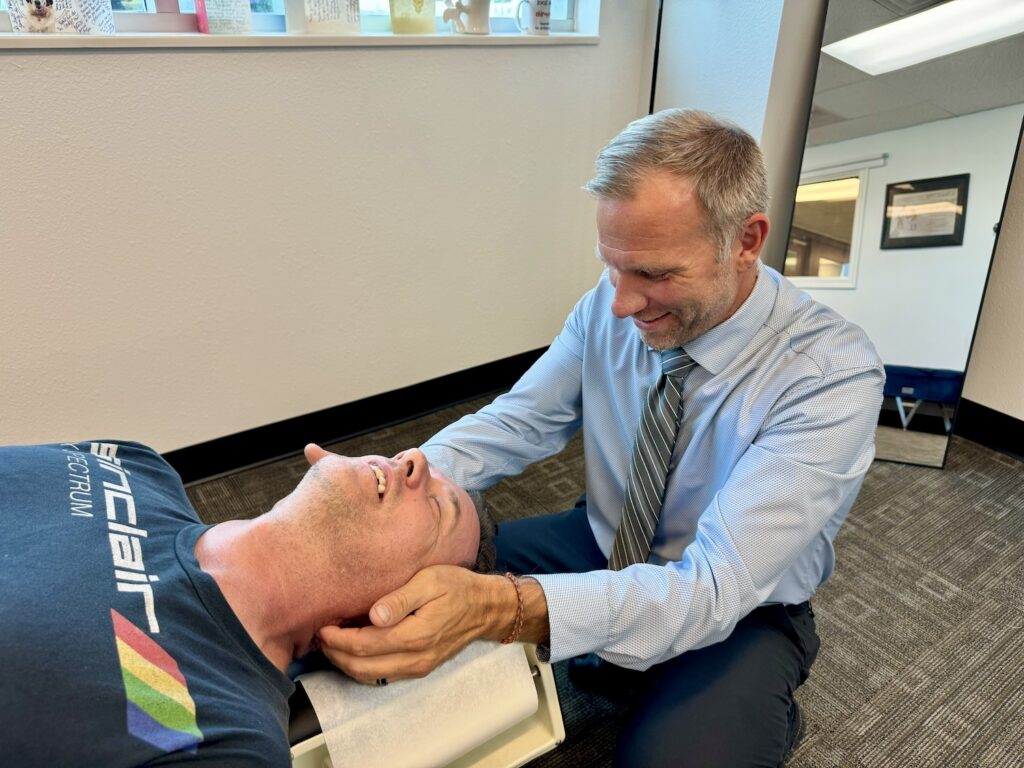
If you’re experiencing tension-related head pain, you’re not alone. Many people face this discomfort, often caused by stress and muscle tightness. Fortunately, there are effective techniques you can use to alleviate this pain, and chiropractic care is one of the best choices for achieving optimal health and natural wellness.
Chiropractic care focuses on addressing the root causes of tension-related head pain by improving spinal alignment and promoting overall well-being. Regular adjustments can relieve muscle tension, reduce stress, and enhance your body’s natural ability to heal. But what can you do in addition to visiting your chiropractor to find relief?
Here are some simple tips and tricks to help you manage tension-related head pain in your daily routine:
- Practice Relaxation Techniques: Incorporate deep breathing exercises, meditation, or gentle yoga into your day. These practices can help reduce stress and promote relaxation, which is essential for easing head pain.
- Maintain Good Posture: Be mindful of your posture, especially when sitting at a desk or using electronic devices. Ergonomic adjustments, such as using a chair that supports your lower back and keeping your screen at eye level, can help reduce strain on your neck and shoulders.
- Stay Hydrated: Drink plenty of water throughout the day. Dehydration can contribute to headaches, so keeping yourself hydrated is vital for maintaining overall health.
- Take Breaks: If you find yourself working for long periods, remember to take regular breaks. Stand up, stretch, and move around to prevent muscle tightness that can lead to head pain.
- Get Enough Sleep: Prioritize restful sleep by establishing a regular sleep schedule and creating a sleep-friendly environment. Quality sleep plays a significant role in managing stress and reducing tension.
- Consider Chiropractic Care: Regular visits to your chiropractor can provide significant relief from tension-related head pain. Your chiropractor will work with you to develop a personalized care plan that addresses your specific needs, helping you achieve lasting relief.
By implementing these strategies and seeking chiropractic care, you can take control of your tension-related head pain and promote a healthier, more balanced life. Remember, you don’t have to suffer in silence—there are natural, effective solutions available to help you feel your best.
Key Takeaways
- Start your journey to relief by practicing deep breathing exercises. This simple technique can help calm your nervous system and alleviate tension whenever you need it, whether you’re at home or on the go.
- Consider incorporating progressive muscle relaxation into your routine. By tensing and then relaxing different muscle groups, you can effectively release tightness and promote relaxation throughout your body.
- Pay attention to your posture! Keeping your head aligned over your spine and ensuring your feet are flat on the floor can make a significant difference in reducing tension-related head pain.
- Heat therapy can be a wonderful ally in your wellness journey. Applying warm compresses can help relax tight muscles, while cold packs can reduce inflammation. Both methods are natural and can complement the benefits of chiropractic care.
- Keeping a headache diary is a smart move. By tracking your symptoms and identifying potential triggers, you can work towards better management. This information can be invaluable when consulting with your chiropractor, who can provide personalized strategies for relief.
Remember, chiropractic care is a natural and effective way to address pain and promote overall wellness. By making these simple changes and staying proactive, you can take control of your health and find lasting relief from tension-related head pain.
Understanding Tension-Related Head Pain
Tension-related head pain is often described as a dull, aching sensation that can make even the simplest tasks feel overwhelming. This type of headache commonly emerges after a long day at work or during stressful moments. The discomfort typically arises from muscle tension in your neck and scalp, and it can linger for a few hours or even several days.
Unlike migraines, tension headaches don’t usually come with severe nausea or sensitivity to light. Instead, you may experience a steady pressure, as if a tight band is squeezing your head.
As a chiropractor, I want to emphasize that this kind of pain often stems from daily stressors or poor posture. It’s crucial to be mindful of your habits, as they can significantly impact your well-being. Simple changes, such as adjusting your workstation ergonomics, taking regular breaks to stretch, and practicing relaxation techniques can make a big difference in reducing muscle tension and preventing headaches.
Understanding how tension-related head pain manifests is the first step toward finding effective relief. Chiropractic care is an excellent option for addressing the root causes of tension headaches. By focusing on spinal alignment and muscle function, chiropractic adjustments can help alleviate pain and enhance your overall health.
To support your journey toward wellness, here are some general tips:
- Maintain Good Posture: Be mindful of your body alignment while sitting or standing. Keeping your shoulders back and your head aligned with your spine can reduce muscle tension.
- Stay Hydrated: Dehydration can contribute to headaches, so make sure you’re drinking enough water throughout the day.
- Practice Stress Management: Incorporate stress-relief techniques like deep breathing, meditation, or yoga into your daily routine. These practices can help reduce tension and promote relaxation.
- Regular Chiropractic Care: Regular visits to a chiropractor can help maintain spinal health and address any misalignments that may contribute to tension headaches.
By familiarizing yourself with the symptoms of tension-related head pain and incorporating these wellness practices, you’ll be better equipped to tackle discomfort and enhance your overall health.
Identifying Triggers of Tension Headaches
Understanding what triggers your tension headaches is essential in taking proactive steps to minimize their occurrence and enhance your overall wellness. One effective way to identify your unique triggers is by keeping a headache diary. This will help you track patterns and pinpoint specific factors that contribute to your discomfort. Common culprits include stress, poor posture, and lack of sleep, all of which can be addressed through chiropractic care and lifestyle adjustments.
Here’s a helpful table to categorize potential triggers and how to manage them effectively:
| Trigger | Symptoms | Prevention Tips |
|---|---|---|
| Stress | Tightness in neck | Engage in mindfulness and relaxation techniques; chiropractic adjustments can help relieve tension. |
| Poor Posture | Stiff shoulders | Maintain ergonomic setups in your workspace; regular chiropractic care can improve posture and spinal alignment. |
| Dehydration | Fatigue | Stay hydrated by drinking plenty of water daily; proper hydration supports overall health. |
| Eye Strain | Blurred vision | Remember to take regular breaks from screens; chiropractic adjustments can help alleviate muscular tension around the eyes. |
| Skipped Meals | Irritability | Aim for balanced meals throughout the day; chiropractic care can help improve digestion and nutrient absorption. |
Relaxation Techniques for Immediate Relief
When tension headaches occur, finding quick relief is crucial, and utilizing relaxation techniques can significantly help. As a chiropractor, I believe that these methods not only provide immediate comfort but also complement the benefits of chiropractic care in achieving optimal health.
Consider incorporating deep breathing exercises into your routine. This simple technique helps calm your nervous system and can be done anywhere. Just find a quiet space, take slow, deep breaths, and focus on releasing tension with each exhale.
Progressive muscle relaxation is another effective method. By systematically tensing and then relaxing each muscle group in your body, you can promote a sense of calm and reduce headache discomfort. Start from your toes and work your way up to your head, focusing on the sensation of relaxation.
Guided visualization techniques can also be beneficial. Picture a serene setting or a place that makes you feel happy and relaxed. This mental imagery can help distract you from pain and promote relaxation.
Remember, these relaxation techniques are most effective when combined with regular chiropractic adjustments. Chiropractic care addresses the root causes of tension headaches by improving spinal alignment, which can enhance overall wellness and reduce the frequency and intensity of headaches.
For ongoing relief, consider maintaining good posture, staying hydrated, and managing stress through regular physical activity. These lifestyle choices support your spine and overall health, making it easier to cope with tension headaches naturally.
Deep Breathing Exercises
Deep breathing exercises can be a valuable tool to help relieve tension head pain, complementing the benefits of chiropractic care in achieving optimal health. When you start to feel the pressure building in your head, it’s important to take a moment for yourself.
Find a quiet space where you can either sit or lie down comfortably.
Begin by closing your eyes and taking a deep breath in through your nose, allowing your abdomen to expand fully, just like how we encourage proper posture and alignment in chiropractic practice. Hold that breath for a count of four, then gently exhale through your mouth.
Repeat this process for several minutes, focusing on the natural rhythm of your breath.
As you engage in this deep breathing, visualize the tension melting away with each exhale. This practice not only calms your mind but also relaxes your body, providing immediate relief from discomfort.
Incorporating deep breathing into your daily routine can enhance its effectiveness, especially when combined with regular chiropractic adjustments that support spinal health and overall well-being.
Remember, while deep breathing can help alleviate tension, it should complement, not replace, the benefits of chiropractic care. Regular adjustments can help maintain proper alignment and improve your overall health, making you feel your best.
Progressive Muscle Relaxation
After practicing deep breathing, consider adding progressive muscle relaxation (PMR) to your routine to enhance relief from tension head pain. This technique involves systematically tensing and relaxing each muscle group in your body, which can help you become more aware of physical sensations and release built-up tension.
Begin with your toes: tense the muscles for about five seconds, then let them relax. Gradually move up to your calves, thighs, and continue this process all the way to your head. Pay attention to the difference between the feeling of tension and relaxation.
Incorporating PMR into your day can’t only reduce muscle tightness but also foster a sense of calm and well-being. By taking just a few moments for this practice, you can significantly alleviate discomfort and promote a holistic approach to your health.
Remember, chiropractic care is an excellent way to support your body’s natural healing. Regular adjustments can help maintain proper alignment and function, which may further enhance the benefits of techniques like PMR.
Guided Visualization Techniques
When you experience tension headaches, consider incorporating guided visualization techniques into your relaxation routine. This approach not only promotes relaxation but also complements chiropractic care in achieving optimal health.
To start, find a quiet space free from distractions. Close your eyes and take several deep breaths, allowing your body to relax with each exhale.
Imagine a peaceful setting—perhaps a tranquil beach or a serene forest—where you can truly unwind. Engage your senses by vividly picturing the sights, sounds, and smells of this calming environment. As you visualize, focus on the sensation of tension dissolving with each breath. Inhale deeply, drawing in peace and calmness, and exhale any stress or discomfort you may be feeling.
If you notice a specific area of pain, direct your attention there. Envision warmth and light surrounding that area, gently easing the discomfort. Spend a few moments in this visualization, letting your mind wander and allowing yourself to fully embrace relaxation.
After a few minutes, when you feel ready, gently open your eyes. You should feel refreshed and more at ease.
Remember, while guided visualization can be a helpful tool, regular chiropractic care plays a crucial role in maintaining your overall wellness and addressing the root causes of tension headaches.
The Power of Deep Breathing
Deep breathing can be a powerful tool for relieving tension headaches and promoting overall wellness. As a chiropractor, I want to emphasize the importance of breath in not only relaxing your body but also enhancing your mental clarity.
By incorporating deep breathing techniques into your daily routine, you can support your spinal health and overall well-being.
Here are some effective deep breathing techniques and their benefits:
- Diaphragmatic Breathing: Sit or lie down comfortably. Place one hand on your chest and the other on your abdomen. Inhale deeply through your nose, allowing your abdomen to rise while keeping your chest still. Exhale slowly through your mouth. This technique helps stimulate your diaphragm, promoting relaxation and reducing tension.
- Box Breathing: Inhale through your nose for a count of four, hold your breath for four, exhale through your mouth for four, and then hold again for four. This rhythmic breathing pattern can help calm your nervous system and reduce stress.
- 4-7-8 Breathing: Inhale through your nose for a count of four, hold your breath for seven, and exhale through your mouth for eight. This method not only helps with relaxation but can also improve your sleep quality, which is essential for recovery and healing.
In addition to these techniques, regular chiropractic care can significantly enhance your overall health.
By ensuring that your spine is properly aligned, you can further reduce tension in your body, which may contribute to headaches and other discomforts. Chiropractic adjustments help improve nerve function and blood flow, making it easier for your body to heal naturally.
Remember, integrating deep breathing exercises into your daily routine can be an excellent way to manage stress and tension.
Combined with regular chiropractic visits, you can achieve a healthier, pain-free life. Take the time to prioritize your health—your body will thank you!
Benefits of Deep Breathing
When you’re dealing with the burden of tension headaches, incorporating deep breathing can be a transformative practice. This straightforward technique allows you to engage your body’s natural ability to relax. By concentrating on your breath, you can divert your focus from pain and foster a sense of tranquility. Deep breathing not only slows your heart rate but also reduces stress hormones, which can help lessen the intensity of your headaches.
Additionally, deep breathing enhances oxygen flow to the brain, boosting mental clarity and reducing feelings of fatigue. With each deep breath, you may notice that tension starts to dissipate, leaving you feeling more centered and balanced.
Incorporating deep breathing into your daily routine can significantly enhance your overall well-being, making it an effective tool in managing tension-related head pain.
While deep breathing is beneficial, it’s essential to remember that chiropractic care is a holistic approach that addresses the root cause of pain. Regular chiropractic adjustments can improve spinal alignment, relieve tension, and promote overall health. Together, these practices can help you achieve optimal wellness.
Techniques for Effective Breathing
Many people underestimate the power of effective breathing techniques in managing tension headaches, which can often be linked to spinal alignment and overall wellness. As a chiropractor, I want to share some simple yet effective breathing exercises that can help alleviate headache symptoms and promote relaxation.
Begin by finding a comfortable position, either sitting or lying down. Close your eyes and take a slow, deep breath in through your nose, allowing your abdomen to rise and expand. This deep breathing helps to oxygenate your body and can improve overall spinal health by encouraging relaxation. Hold that breath for a moment, then exhale gently through your mouth. Aim for a steady rhythm, repeating this for a few minutes.
As you breathe, focus on the sensation of your breath. Let go of any distractions or tension you may be holding in your body, particularly in areas around your neck and shoulders, which are often affected by poor posture and spinal misalignment.
You can also try a counting technique: inhale for four counts, hold for four, and exhale for six. This method not only calms your mind but also encourages relaxation of the muscles, which can help reduce the intensity of headaches.
Remember, maintaining a healthy spine is crucial for overall wellness, and regular chiropractic care can support this by ensuring your body functions optimally.
Incorporate these breathing exercises into your daily routine for the best results. They can enhance your well-being and complement your chiropractic care, leading to a more natural approach to pain relief and overall health.
Stretching Exercises to Release Muscle Tension
To effectively alleviate tension head pain, incorporating stretching exercises into your routine can make a significant difference, especially when paired with regular chiropractic care. As a chiropractor, I emphasize the importance of maintaining a healthy spine and muscle balance to enhance overall wellness.
Start with neck stretches, which are crucial for releasing tightness in the neck muscles. Gently tilt your head to one side, holding for 15-30 seconds, then switch sides. This simple movement can help improve mobility and reduce discomfort.
Next, try shoulder rolls to ease shoulder tension. Lift your shoulders towards your ears, then roll them back and down. Repeat this 5-10 times to help alleviate strain in the upper body.
Don’t overlook your upper back! Interlocking your fingers and reaching your arms forward while rounding your back can provide great relief. Hold this position for 20-30 seconds to stretch the muscles that often contribute to tension headaches.
Also, consider your jaw health. Open your mouth wide and gently massage the area around your jawline to release tension that may be contributing to headaches.
Finally, gentle forward bends can be a powerful way to release built-up tension. Stand with your feet hip-width apart, and bend at the hips, allowing your head to hang. This stretch can help promote relaxation and improve blood flow.
Remember, while these stretches can be beneficial, regular chiropractic adjustments are essential for achieving optimal spinal health and alleviating tension.
The Importance of Proper Posture
Maintaining proper posture is vital for preventing tension headaches and enhancing your overall well-being. As a chiropractor, I see firsthand how correct alignment can significantly reduce strain on your neck and back muscles, helping you avoid discomfort and headaches.
To support your health, ensure your head is aligned over your spine, your shoulders are relaxed, and your feet are flat on the floor.
If you spend a lot of time at a desk, it’s crucial to adjust your chair and monitor height. This way, you won’t have to bend or strain your neck, which can lead to pain.
Remember to take regular breaks to stretch and reset your posture; this simple practice can have a big impact on how you feel throughout the day.
Chiropractic care is an excellent option for achieving and maintaining optimal health. Regular visits can help ensure your spine is aligned, which is key to preventing pain and promoting healing naturally.
Creating a Calm Environment
To create a calm environment that helps ease tension head pain, it’s essential to start with decluttering your space. A tidy area can significantly reduce distractions and promote relaxation, which is vital for your overall well-being.
Remember, a peaceful setting not only calms the mind but also supports the healing process.
Adjusting lighting levels to a softer glow can further enhance your comfort and tranquility. Natural light is ideal, so if possible, let some sunshine in during the day. If you’re indoors, consider using warm, dimmable lamps instead of harsh overhead lights.
This gentle lighting can create a soothing atmosphere conducive to relaxation and healing.
Additionally, incorporating elements of nature, such as plants or calming colors, can also improve your mood and help reduce stress. Breathing exercises or gentle stretches can be beneficial, too.
Remember, chiropractic care is a wonderful way to address head pain at its source by promoting a healthy spine and nervous system. Regular adjustments can help keep your body aligned and functioning optimally, allowing you to enjoy a life free of discomfort.
Declutter Your Space
A cluttered space can significantly contribute to tension head pain, making it crucial to create a serene environment that promotes healing. As a chiropractor, I understand that physical and mental well-being are closely linked.
Start by assessing your surroundings and identifying items that don’t serve a purpose or bring you happiness. Removing these distractions can help alleviate stress and tension in your body.
Organize your belongings into designated areas. Keeping frequently used items within easy reach can minimize frustration and promote a sense of calm. Consider investing in storage solutions like baskets or shelves to reduce visual clutter. When everything has its place, you’ll foster an environment that supports both your mental clarity and physical health.
Regular cleaning is also essential, as dust and dirt can add to your stress levels. A clean space not only looks better but can also help clear your mind, allowing your body to function optimally.
Make it a daily habit to spend a few minutes decluttering. This simple practice can enhance your overall wellness and support your chiropractic care journey.
Remember, maintaining a tidy environment is just one aspect of achieving optimal health. Pair it with regular chiropractic adjustments to ensure your spine is aligned and functioning properly.
This holistic approach to health can help relieve pain naturally and promote a happier, healthier lifestyle.
Adjust Lighting Levels
Creating a serene environment is essential for overall health and well-being, especially for those who experience tension headaches. One often overlooked factor in reducing pain and promoting relaxation is the lighting in your space. Bright, harsh lights can strain your eyes and elevate stress levels, so here are some simple tips to adjust your lighting and create a calming atmosphere:
- Opt for soft, warm light bulbs. These not only create a cozy ambiance but also help to soothe your mind and body, making it easier to unwind.
- Consider incorporating adjustable lamps, especially in your workspace. This allows you to control the intensity of the light, which can help alleviate eye strain and improve focus without adding to your discomfort.
- Use blackout curtains to block out harsh sunlight when necessary. This can create a more controlled environment, reducing glare and creating a peaceful setting conducive to relaxation and healing.
- Add elements like candles or fairy lights. These provide a gentle glow that promotes a sense of calm and can help you feel more at ease, which is vital for natural healing.
Remember, chiropractic care is a fantastic option for managing pain and enhancing your overall wellness.
Utilizing Heat and Cold Therapy
Tension headaches can be incredibly uncomfortable, but there are natural methods to help relieve the pain. One effective approach is utilizing heat and cold therapy, which you can easily incorporate into your daily routine.
To start, consider applying a warm compress to your neck or forehead. The soothing heat works wonders by relaxing tight muscles and improving blood flow, which can help ease discomfort. A warm towel or a heating pad can be ideal for this purpose, but always check the temperature to avoid any burns.
On the other hand, cold therapy can also provide significant relief. Try using a cold pack or a bag of ice wrapped in a cloth and place it on your forehead for about 15 minutes. This will numb the area, reduce inflammation, and block pain signals, making you feel more comfortable.
It’s important to remember that everyone is different, so you may want to experiment with both heat and cold to determine which one works best for you. Alternating between the two can also be beneficial, offering a comprehensive approach to managing tension headaches.
In addition to these therapies, regular chiropractic care can play a vital role in preventing tension headaches altogether. By addressing spinal misalignments and promoting proper alignment, chiropractic adjustments help to alleviate stress on your nervous system and improve overall function.
If you’re looking for a natural, effective way to manage pain and enhance your well-being, consider visiting a chiropractor. They can work with you to develop a personalized plan that supports your health goals and keeps headaches at bay.
Exploring Herbal Remedies and Supplements
Have you ever thought about how herbal remedies and supplements can complement your journey towards relieving tension headaches?
While chiropractic care is an excellent first step in achieving optimal health and wellness, incorporating natural options can provide additional support for your discomfort.
Here are a few remedies that can work hand-in-hand with your chiropractic adjustments to help ease your tension headaches:
- Peppermint oil: Applying diluted peppermint oil to your temples can enhance circulation and alleviate pain. It’s a simple, soothing option that can be easily incorporated into your daily routine.
- Ginger: This powerful herb is well-known for its anti-inflammatory properties. Enjoying ginger tea or taking ginger supplements can help soothe headaches, particularly when used alongside regular chiropractic care.
- Feverfew: Often used for centuries to help prevent headaches, feverfew may help reduce both the frequency and severity of your headaches. This herb is a great addition to your wellness toolkit as you work towards better health.
- Magnesium: Did you know that low magnesium levels can contribute to headaches? Ensuring you’re getting enough magnesium through diet or supplements can be a beneficial way to support your overall well-being.
Remember, before trying any herbal remedies, it’s important to consult with a healthcare professional to ensure they’re safe for you.
Chiropractic care focuses on addressing the root causes of pain, and by combining it with these natural remedies, you can enhance your healing process.
With the right approach, you can find relief and enjoy a more comfortable, pain-free day. Always prioritize your health and wellness through natural means, and embrace the benefits of a holistic lifestyle!
When to Seek Professional Help
Even with the benefits of chiropractic care and natural remedies, there are situations where your tension headaches may indicate it’s time to seek additional support. If you’re noticing that your headaches are occurring more often or becoming more intense, it’s important to listen to your body and consider consulting with a healthcare professional. If your headaches start to interfere with your daily activities or are paired with other concerning symptoms like changes in vision or severe nausea, don’t hesitate to reach out for help.
Here’s a helpful guide to recognize when you may need to take action:
| Signs to Seek Help | What to Do | When to Act |
|---|---|---|
| Frequent headaches | Schedule a chiropractic visit | If headaches happen more than twice a week |
| Severe pain | Visit your chiropractor | If the pain feels unbearable or intense |
| Accompanying symptoms | Consult a chiropractor | If you notice vision changes or confusion |
| No relief from remedies | Reach out to your chiropractor | If natural remedies aren’t providing relief |
Conclusion
Incorporating these techniques into your daily routine can significantly help alleviate tension-related head pain. One of the first steps is understanding your personal triggers—things that may be causing or worsening your discomfort. Once you identify these triggers, you can practice relaxation methods such as deep breathing and gentle stretching to find immediate relief.
Chiropractic care plays a pivotal role in addressing the root causes of tension headaches. Regular adjustments can help realign your spine, reduce muscle tension, and improve overall function, leading to fewer headaches over time. Additionally, don’t underestimate the power of heat and cold therapy. Applying a warm compress or an ice pack to the neck and shoulders can soothe tight muscles and enhance your comfort.
Creating a calm environment is also essential for your well-being. Consider setting up a quiet space at home where you can unwind, practice mindfulness, or meditate. Incorporating these habits into your lifestyle can significantly improve your overall health.
However, if headaches persist despite these strategies, it’s always a good idea to consult with a chiropractor. They can provide personalized care, focused on your specific needs, and help you regain control of your discomfort naturally. With the right approach to chiropractic care, you can not only alleviate pain but also enhance your quality of life in the long run.