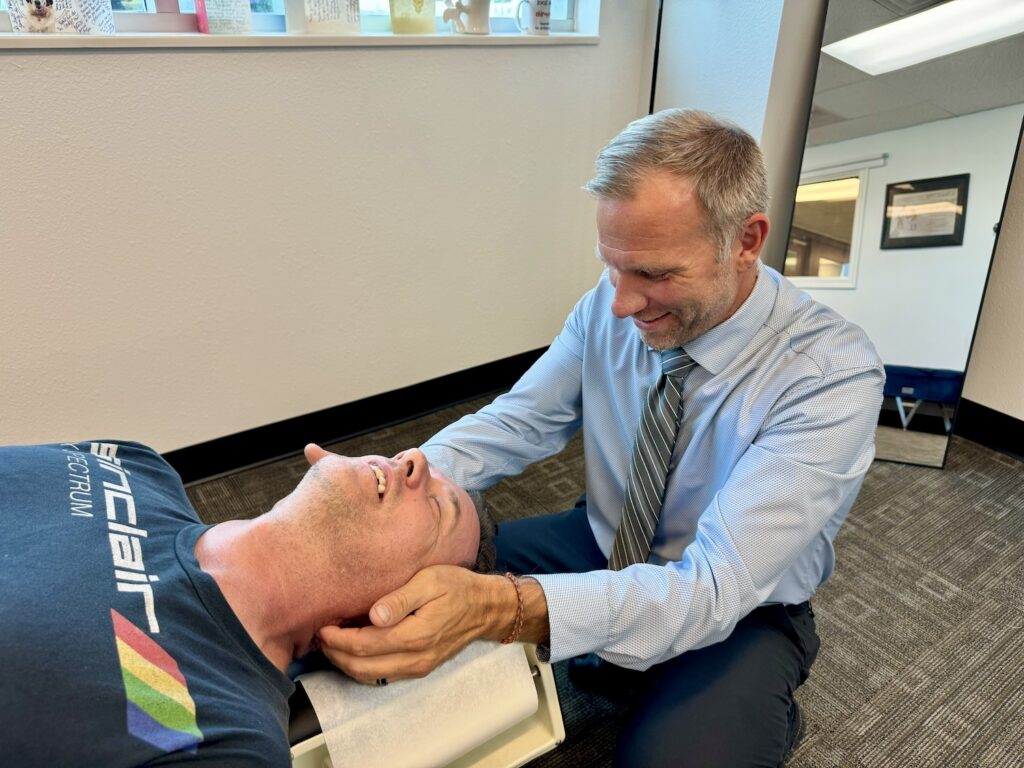
As a local chiropractor, I understand that many athletes experience back pain due to their sports activities, and you're certainly not alone in this struggle. You may be curious about the reasons behind this discomfort and how you can effectively manage it. Identifying the common causes of back pain is just the beginning; incorporating proper warm-up routines and strengthening exercises can truly make a world of difference in your recovery.
However, it's important to recognize that relief doesn't solely stem from physical activity. Posture management and recovery strategies are critical components of your overall health and wellness. Are there overlooked tactics in your routine that could lead you to the relief you desire? You might be surprised to learn about the holistic approaches and natural healing techniques available to you through chiropractic care. By addressing your back pain from multiple angles, we can work together to help you achieve lasting relief and improved performance.
Understanding Sports Back Pain
As a local chiropractor, I often see athletes struggling with sports back pain, a prevalent issue that can affect individuals at all levels of skill. It's common to feel discomfort after an intense workout, a long game, or even during your regular training sessions. This pain can vary in intensity, ranging from a dull ache to sharp, stabbing sensations, and it can significantly hinder your performance and motivation. Understanding the underlying causes of sports back pain is crucial for effective management.
First and foremost, it's important to realize that experiencing back pain doesn't mean you're weak or poorly conditioned. In fact, it often arises from a combination of factors related to your sport. The physical demands of your activity, repetitive movements, and improper techniques can place excessive strain on your back muscles and spine. You may notice that certain positions or movements make the pain worse, highlighting the need to listen to your body and modify your training as necessary.
Additionally, mental factors such as stress and anxiety can play a role in exacerbating back pain. When you're under pressure, you may unconsciously tense your muscles, leading to discomfort. That's why it's vital to adopt a holistic approach that addresses both your physical and mental well-being.
I also want to emphasize the importance of proper warm-ups and cool-downs. Taking time to stretch and prepare your body before physical activity can significantly decrease the likelihood of injury.
As your chiropractor, my goal is to help you understand the complexities of sports back pain and equip you with natural healing techniques, so you can return to your sport feeling better and pain-free.
Common Causes of Back Pain
As a local chiropractor, I want to help you understand the common causes of back pain that many people, especially athletes, may not be aware of.
One of the primary issues we see is improper lifting techniques. Whether you're at the gym lifting weights or handling sports equipment, using your back instead of your legs can easily lead to strain and injury. It's crucial to engage your legs and maintain proper form to protect your spine.
Another common culprit is muscle imbalances. When you favor certain muscle groups while neglecting others, it creates tension that can lead to discomfort. For instance, a strong core is vital for stabilizing your back. If your abdominal muscles are weak, your back may bear the brunt of that imbalance, resulting in pain.
Overtraining is also something to watch out for. When you push your body too hard without allowing for adequate rest, you can experience fatigue, which often compromises your form during physical activities. This increases your risk of back pain. Remember, your body needs time to recover and heal after intense workouts—rest is just as important as training.
Additionally, poor posture during various activities—whether you're running, cycling, or even sitting at your desk—can significantly contribute to back issues. Slouching or leaning forward puts unnecessary stress on your spine, which can lead to pain over time.
Lastly, engaging in sports with repetitive movements, such as tennis or golf, can result in wear and tear on your back. If you notice any discomfort, it's important to address it early to prevent chronic pain from developing.
As a chiropractor, I focus on natural healing and helping you understand these factors, so you can take proactive steps to maintain a healthy back and overall well-being.
Importance of Proper Warm-Up
As a local chiropractor, I want to emphasize the importance of a proper warm-up for anyone engaging in physical activity, whether you're an athlete or just someone looking to stay active. A warm-up isn't merely a suggestion; it's a vital practice for preparing your body and preventing injuries, particularly back pain.
When you take the time to gradually increase your heart rate and improve blood flow to your muscles, you're effectively priming your body for the physical demands ahead. This process doesn't just enhance your flexibility and coordination; it can significantly improve your overall performance as well.
Neglecting a warm-up or rushing through it can lead to increased risks of strains and injuries. When your muscles aren't properly warmed up, they remain stiff and are less capable of handling the shock of sudden movements. This stiffness can put unnecessary stress on your back, leading to discomfort that could keep you from your daily activities for days or even weeks. None of us want that, right?
The good news is that incorporating a warm-up into your routine doesn't need to take much time. Just 5 to 10 minutes can make a significant difference in your performance and safety.
Start with light aerobic activities like jogging or brisk walking to elevate your heart rate. Follow this with dynamic movements that mimic the actions you'll perform in your sport or activity. This approach activates the muscles and joints you'll be using, setting you up for success.
Effective Stretching Techniques
As a local chiropractor, I want to emphasize the importance of incorporating effective stretching techniques to prevent back pain, especially during sports activities.
It's crucial to start with dynamic warm-up stretches; these not only prepare your muscles for the physical demands ahead but also help to enhance your overall performance.
After the warm-up, I recommend focusing on targeted muscle release techniques for specific areas that may feel tense or tight. This targeted approach can alleviate discomfort and improve your range of motion.
Lastly, don't overlook the importance of post-workout recovery stretches. These stretches are vital for helping your body recover, healing any strains, and maintaining your flexibility.
By integrating these practices into your routine, you can support your body's natural healing process and reduce the risk of injury.
Dynamic Warm-Up Stretches
As a local chiropractor, I want to emphasize the importance of starting your workout with dynamic warm-up stretches. These stretches not only prepare your body for physical activity but also play a crucial role in reducing the risk of injury, which is vital for maintaining a healthy lifestyle.
Engaging in these movements increases blood flow to your muscles, enhances flexibility, and improves your overall range of motion, setting a solid foundation for your workout.
Let's begin with leg swings. Stand next to a wall for support and gently swing one leg forward and backward, gradually increasing your range of motion. Aim for 10 swings on each leg. This simple exercise helps loosen up your hip joints, which can prevent discomfort later on.
Next, try arm circles. Extend your arms out to the sides and make small circles, gradually increasing the size of the circles. Perform this for about 30 seconds in both directions. This movement helps warm up your shoulders and upper back, promoting better posture and movement efficiency.
Incorporate walking lunges into your routine to effectively engage your hips and thighs. Step forward with one foot, lowering your back knee toward the ground, and alternate legs as you walk forward. Aim for 10 lunges on each side. This exercise not only prepares your lower body but also stabilizes your core, which is essential for overall balance and strength.
Finally, perform torso twists. Stand with your feet shoulder-width apart and rotate your upper body from side to side while keeping your hips facing forward. This stretch is great for mobilizing your spine and enhancing your torso flexibility.
By incorporating these dynamic stretches into your warm-up, you can significantly boost your performance and help prevent injuries during your workout.
As your chiropractor, I encourage you not to skip this essential step—your body will appreciate the care, and you'll be better equipped for whatever physical activities you choose to pursue!
Targeted Muscle Release
As a local chiropractor, I want to share some valuable insights on how targeted muscle release techniques can significantly enhance your flexibility and overall physical performance. You don't need to be an elite athlete to reap the benefits of these methods; they're accessible and can help anyone looking to relieve back pain stemming from muscle tension.
First, it's essential to identify the specific muscles that may be tight or sore. Common areas of concern often include the hamstrings, hip flexors, and lower back muscles. You can use tools like a foam roller or a massage ball to apply pressure to these tight areas. When you locate a particularly tense spot, hold that pressure for about 20-30 seconds. This allows the muscle to relax and release the built-up tension.
After you've completed your targeted muscle release, I encourage you to incorporate static stretching into your routine. For instance, a seated forward bend can effectively stretch your hamstrings, while a child's pose is excellent for relieving tension in your lower back. Be sure to hold each stretch for at least 30 seconds, and remember to breathe deeply to enhance your relaxation.
Post-Workout Recovery Stretches
As a local chiropractor, I want to emphasize the importance of post-workout recovery stretches in enhancing your flexibility and preventing injuries. These stretches can play a vital role in maintaining muscle balance and alleviating tension, which are key components of overall wellness.
Let's start with the cat-cow stretch. Position yourself on all fours, and gently alternate between arching your back and allowing your belly to drop. This simple yet effective movement promotes spinal mobility and helps ease tension in your back, which is crucial after any workout.
Next, I recommend the child's pose. Kneel down and sit back on your heels while stretching your arms forward. This gentle pose encourages relaxation and effectively releases tightness in your lower back, which can often be a source of discomfort after physical activity.
For those looking to deepen their stretch, the seated forward bend can be particularly beneficial. Sit with your legs extended in front of you, reach for your toes, and you'll feel a delightful stretch through your hamstrings and lower back. This stretch not only aids in flexibility but also contributes to your overall spinal health.
Finally, don't overlook the supine spinal twist. While lying on your back, gently pull one knee across your body while keeping the other leg extended. This twist is fantastic for alleviating tension in both the spine and hips, promoting a sense of release and relaxation.
Incorporating these stretches into your post-workout routine can significantly enhance your recovery process and contribute to your long-term health.
Strengthening Core Muscles
As a local chiropractor, I want to emphasize the importance of a strong core for overall health, particularly in preventing and alleviating back pain. Your core muscles, which include the abdominal, oblique, and lower back muscles, are crucial for stabilizing your spine and pelvis during daily activities and physical exercise.
When these muscles are weak, your body often compensates in ways that can lead to discomfort and even injury.
To effectively strengthen your core, I recommend focusing on exercises that engage multiple muscle groups. One of the best exercises is the plank. This move not only builds endurance but also enhances stability. Start with holding a plank position for 20 to 30 seconds, and as you grow stronger, gradually increase the duration.
Including side planks in your routine is also beneficial, as they specifically target your obliques, helping to improve your lateral stability.
Another excellent exercise is the bridge. To perform this, lie on your back with your knees bent and feet flat on the floor. Lift your hips toward the ceiling, ensuring you squeeze your glutes and engage your core throughout the movement.
Hold the position for a few seconds before lowering back down. Aim for three sets of 10 to 15 repetitions, as this will help build strength and support your spine.
Additionally, don't overlook the importance of rotational movements for enhancing athletic performance and core strength. I suggest trying Russian twists while seated on the floor. While holding a weight or medicine ball, twist your torso to each side.
This exercise not only strengthens your core but also contributes to your overall athleticism.
By incorporating these exercises into your routine, you can help support a healthy spine and alleviate potential back pain. If you have any questions or would like personalized guidance on your core strengthening program, please don't hesitate to reach out.
Your spinal health is our priority!
Ergonomic Equipment Choices
As a local chiropractor dedicated to helping you achieve optimal health, I want to emphasize the importance of selecting the right ergonomic equipment for your workspace. Making informed choices can greatly enhance your daily comfort and productivity, particularly if you're dealing with back pain.
First and foremost, invest in an ergonomic chair that offers excellent lumbar support. Look for features that allow you to adjust the height, backrest angle, and armrests. It's crucial for your feet to rest flat on the floor or on a footrest, with your knees at a 90-degree angle. This setup helps maintain proper spinal alignment, which is essential for preventing and alleviating discomfort.
Next, let's discuss your desk. An adjustable standing desk can be transformative for your daily routine. It offers the flexibility to alternate between sitting and standing, which can significantly reduce the strain of remaining in one position for too long.
If you prefer a traditional desk, ensure your monitor is positioned at eye level to avoid neck strain. Your keyboard and mouse should be close to your body, with your elbows bent comfortably and your wrists in a neutral position.
Don't forget about supportive accessories like lumbar rolls or specialized seat cushions. These tools can further enhance your comfort and provide additional support, reducing pressure on your back. If you do choose to stand while working, consider a supportive mat to help alleviate discomfort during those standing periods.
Finally, consider investing in tools that promote movement, such as a balance ball chair or a foot rocker. These options encourage you to shift your weight and engage your core, which is vital for maintaining back health.
By choosing the right ergonomic equipment, you're taking proactive steps toward alleviating back pain and improving your overall well-being.
As your chiropractor, I'm here to support you on your journey to better health through natural healing and proper alignment. If you have any questions about ergonomic choices or how they can benefit your spine, don't hesitate to ask!
Incorporating Rest and Recovery
As your local chiropractor, I want to emphasize the importance of incorporating rest and recovery into your daily routine, especially when it comes to preventing and alleviating back pain.
It's crucial to schedule regular rest days to give your body the time it needs to heal. Additionally, I recommend engaging in active recovery activities—these are gentle movements that keep your body engaged without putting too much strain on it.
Balancing your training with adequate recovery is key. When you allow your muscles to recover properly, not only do you alleviate discomfort, but you also enhance your overall performance.
Remember, taking the time to rest is just as important as the training itself. By prioritizing rest and recovery, you can improve your well-being and maintain a healthier spine.
If you have any questions about how to integrate these practices into your lifestyle, feel free to ask during your next visit.
Importance of Active Recovery
As a local chiropractor, I want to emphasize the importance of active recovery in your journey to alleviate sports-related back pain.
Unlike complete rest, which can sometimes lead to stiffness and further discomfort, active recovery involves gentle movement that promotes blood flow and helps ease muscle tension. This proactive approach not only aids in your recovery but also plays a crucial role in preventing future injuries.
Here are some strategies I recommend incorporating into your routine:
- Light Stretching: Gentle stretches can help relieve tight muscles and enhance flexibility, making it easier for your body to recover.
- Low-Impact Activities: Engaging in activities like swimming or cycling allows you to stay active without putting unnecessary strain on your back.
- Foam Rolling: This effective technique helps release muscle knots and improves circulation, promoting faster recovery.
- Walking: A simple walk can significantly boost blood flow and alleviate stiffness, making it a great addition to your daily routine.
- Yoga or Pilates: These practices focus on strengthening your core and increasing flexibility, which can provide invaluable support to your back.
By integrating these active recovery techniques into your lifestyle, you can enhance your body's natural healing processes and improve your overall well-being.
If you have any questions or would like personalized guidance on implementing these strategies, feel free to reach out during your next visit!
Scheduling Rest Days
As a local chiropractor, I want to emphasize the importance of balancing active recovery with scheduled rest days, especially for those experiencing sports-related back pain. Your body needs time to heal and recharge, particularly after intense workouts that can put strain on your back.
By incorporating regular rest days into your routine, you allow your muscles to recover, which helps reduce the risk of injury and promotes your overall well-being.
I recommend aiming for at least one to two rest days each week. It's important to note that these days don't have to involve complete inactivity. Instead, consider engaging in light stretching or gentle activities that won't worsen your discomfort.
Pay attention to your body—if you feel fatigued or sore, it may be a sign that you need additional recovery time.
Integrating these rest days into your training schedule can significantly enhance your long-term performance. I suggest marking them on your calendar to prioritize recovery just as you'd any workout.
You'll discover that when you allow your back the rest it requires, you can return to your activities with renewed strength and flexibility.
Remember, recovery is just as crucial as exercise itself; without it, you risk prolonging your pain and hindering your progress.
Managing Posture During Activities
As a local chiropractor, I want to emphasize the importance of maintaining a strong posture during your daily activities to help prevent back pain and improve your overall performance.
Whether you're running, lifting weights, or engaging in any sport, the way you position your body can significantly impact your well-being. Poor posture can place excessive stress on your spine, leading to discomfort and potential injuries.
Here are some essential tips to help you manage your posture effectively:
- Engage your core: By keeping your abdominal muscles tight, you provide essential support to your lower back. This simple adjustment can make a big difference.
- Align your head: It's crucial to ensure that your head is aligned with your spine. Avoid pushing your chin forward, as this can strain your neck and upper back.
- Bend at the hips: When lifting objects, always bend at the hips instead of the waist. This technique protects your back and maintains proper posture.
- Keep your shoulders relaxed: Many people tend to hunch their shoulders, which can lead to tension and discomfort. Focus on keeping your shoulders back and down to promote a more aligned posture.
- Wear proper footwear: Supportive shoes are vital for maintaining proper alignment, especially during physical activities. Investing in the right footwear can greatly enhance your overall stability and comfort.
By following these tips, you can improve your posture and contribute to your overall health and well-being.
When to Seek Professional Help
As a local chiropractor, I want to emphasize the importance of addressing back pain promptly.
If you're experiencing discomfort that persists for more than a few days, it may be time to seek professional help.
Pay attention to how this pain affects your daily activities and any additional symptoms you may notice, such as numbness or weakness in your limbs.
Recognizing these signs is crucial, as they can guide us in providing more effective treatments tailored to your needs, leading to quicker relief and a healthier spine.
Persistent Pain Duration
As a local chiropractor, I understand that persistent back pain can be a significant obstacle to enjoying your favorite activities, including sports.
It's essential to recognize when it's time to seek professional assistance, especially if you've been experiencing discomfort that lingers beyond a few days. Here are some key indicators that suggest it may be time to consult with a healthcare professional like myself:
- Pain lasting more than a week: If your back pain doesn't start to improve within this timeframe, it's a good idea to seek guidance. Chiropractic care can often help in addressing underlying issues.
- Pain radiating down your legs: This symptom could indicate that nerves are involved and may require a thorough evaluation to determine the best course of action.
- Numbness or tingling: Experiencing sensations such as these could point to more serious concerns. It's important to have these symptoms assessed to prevent further complications.
- Difficulty performing daily activities: If activities you once found simple are now challenging due to pain, it's time to get help. Chiropractic adjustments and therapies can help restore function.
- Pain following a fall or injury: Even if the pain seems mild, it's wise to have it evaluated. Chiropractic care can assist in healing and preventing future issues.
Ignoring persistent pain can lead to more significant problems over time.
I encourage you to reach out and discuss your concerns with a healthcare provider who specializes in natural healing, like a chiropractor. Together, we can identify the root cause of your pain and develop a tailored recovery plan.
Impact on Performance
When back pain sidelines you, it can significantly affect your sports performance and diminish your enjoyment of physical activities. You may struggle with movements that once felt effortless, leading to frustration and reduced motivation.
Whether you're an elite athlete or someone who enjoys weekend sports, pain can limit your agility, strength, and endurance, making even simple workouts seem daunting.
It's important not to ignore persistent back pain. If you notice that your performance is consistently declining or that your pain intensifies during activities, it's time to consider seeking professional help.
As a local chiropractor, I want to emphasize the benefits of chiropractic care in addressing these issues. We specialize in assessing your condition and providing personalized treatment options that focus on natural healing.
Early intervention can prevent long-term complications and help you return to your favorite activities more quickly. Listening to your body is essential; if pain persists despite rest and self-care efforts, don't hesitate to reach out for chiropractic care.
Remember, prioritizing your health now can enhance your performance in the future. By addressing the underlying issues promptly, you can get back to enjoying your activities without the constraints of pain.
Take action today, and let's help you reclaim your game!
Accompanying Symptoms Assessment
As a local chiropractor, it's important for me to emphasize the significance of recognizing accompanying symptoms that may arise with back pain. Ignoring these signs can potentially lead to more serious health issues down the road. Your body communicates valuable messages, and paying attention to them is key to maintaining your health and well-being.
While occasional discomfort might be manageable, there are specific symptoms that should prompt you to seek professional evaluation. Here are some warning signs to look out for:
- Numbness or tingling in your legs or arms, which could indicate nerve involvement.
- Severe pain that persists despite rest or over-the-counter medications, suggesting a more serious underlying issue.
- Weakness in your legs, making it difficult to stand or walk, which may be a sign that your body needs immediate attention.
- Bowel or bladder issues, such as incontinence or trouble urinating, which can be indicative of spinal cord involvement.
- Fever or unexplained weight loss, as these could signal an infection or other serious health concerns.
If you notice any of these symptoms alongside your back pain, I encourage you to reach out for a consultation.
As a chiropractor, I focus on natural healing methods that can help address these issues holistically. Early intervention is crucial; it not only aids in preventing long-term complications but also helps you return to the activities you love more quickly.
Your health should always be a priority, and recognizing these warning signs can significantly impact your recovery journey. Together, we can explore the most effective treatment options tailored to your needs.
Long-Term Prevention Strategies
As a local chiropractor, I want to help you understand how to keep back pain at bay in the long run through natural and proactive approaches to your physical health. One of the most effective ways to do this is by incorporating regular exercise into your daily routine.
Focus on strength training, particularly for your core muscles. A strong core is essential as it supports your spine and reduces unnecessary strain. Engaging in activities like swimming, cycling, or yoga can also enhance your flexibility and balance, which are crucial for preventing injuries.
Another important aspect to consider is your posture. Whether you're sitting at a desk for long hours or participating in sports, maintaining a neutral spine is vital. This helps to significantly reduce stress on your back.
If your job involves prolonged sitting, investing in ergonomic furniture can make a difference. Additionally, don't forget to take regular breaks to stretch and move around—this can greatly benefit your back health.
Paying attention to proper technique during physical activities is equally important. Whether you're lifting weights at the gym or playing tennis, using the right form can prevent excessive strain on your back.
I encourage you to consider working with a coach or personal trainer to refine your technique and ensure you're exercising safely.
Footwear is another key factor in back health. Wearing supportive and well-cushioned shoes can help prevent back pain, especially if you engage in running or high-impact activities.
Remember to replace your shoes regularly to maintain adequate support.
Lastly, it's crucial to listen to your body. If you're experiencing pain or discomfort, don't ignore it. Addressing these issues early on can prevent them from developing into chronic problems.
Conclusion
As a local chiropractor, I want to share some important insights on how to combat sports back pain through natural healing methods. First and foremost, it's essential to take a proactive stance in your approach to back health. Start by prioritizing warm-ups before engaging in any physical activity. This simple step can prepare your muscles and joints for the demands of your sport.
Incorporating effective stretching and core strengthening exercises into your routine can also make a significant difference. A strong core supports your spine, reducing the risk of injury and discomfort during sports activities. Additionally, be mindful of your posture, both during sports and in your everyday life. Proper alignment can alleviate strain on your back and enhance overall performance.
Don't underestimate the importance of rest and listening to your body. If you experience pain or discomfort, it's crucial to take a break and allow your body to recover. If the pain continues, I encourage you to seek professional help. As a chiropractor, I can assess your condition and provide tailored treatments that promote healing and restore balance.
By adopting these strategies, you can enjoy your sports activities while maintaining a healthy and strong back. Remember, prevention is key, and with the right approach, you can minimize the risk of sports-related back pain and enhance your overall well-being.