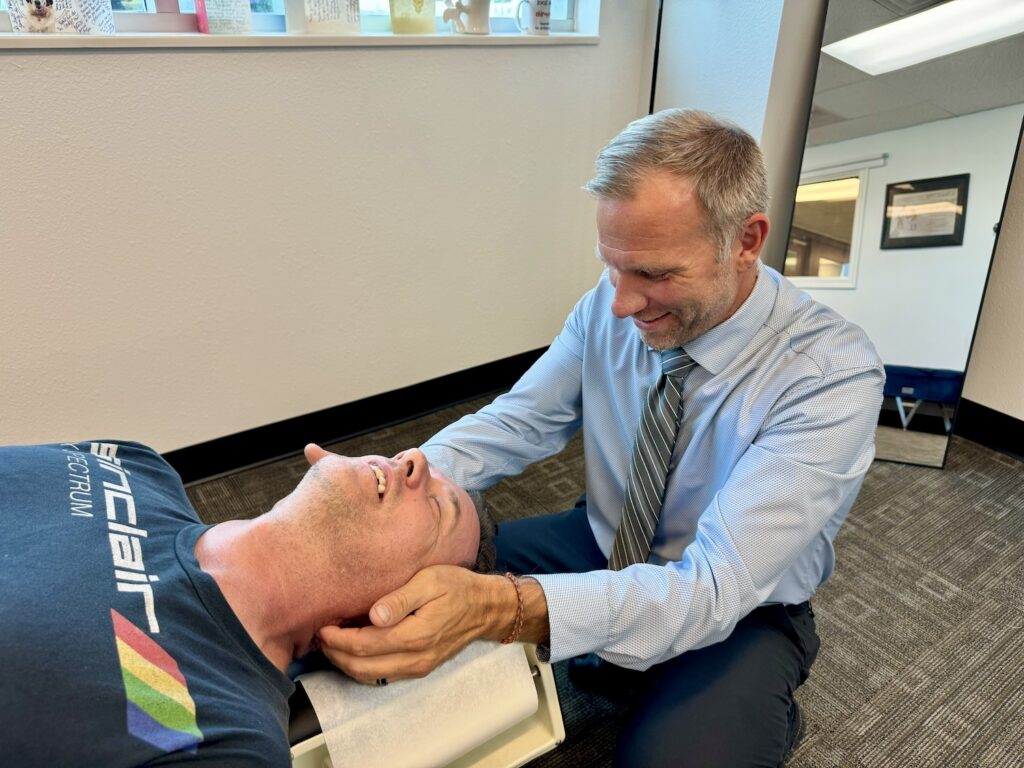
If you’re dealing with tension headaches, you may be looking for effective and natural relief options. Chiropractic care is an excellent choice, as it centers on restoring your spinal alignment, which can significantly reduce both the frequency and severity of headaches. By addressing the root causes of your discomfort, chiropractic adjustments not only relieve your current symptoms but also help prevent future headaches from occurring.
When your spine is properly aligned, it can improve blood flow and reduce muscle tension, leading to a decrease in headache pain. In addition to adjustments, incorporating simple lifestyle changes can enhance your overall well-being. Here are a few tips to consider:
- Maintain Good Posture: Be mindful of your posture, especially if you spend long hours at a desk. Ensure your workstation is ergonomically friendly.
- Stay Hydrated: Dehydration can contribute to headaches, so make sure you’re drinking enough water throughout the day.
- Manage Stress: Techniques like deep breathing, meditation, or yoga can help reduce stress levels, which is a common trigger for tension headaches.
- Regular Exercise: Engaging in regular physical activity can improve circulation and reduce muscle tension, both of which may help in preventing headaches.
Curious about how chiropractic adjustments work and the additional benefits they offer? Let’s dive deeper into the connection between chiropractic care and tension headaches. Remember, choosing chiropractic care is a step towards not just pain relief, but a more vibrant and healthy life!
Key Takeaways
Why Choose Chiropractic Care for Tension Headaches?
If you’re struggling with tension headaches, chiropractic care may be the solution you’ve been looking for. Here’s why it’s an excellent choice for natural relief and improved wellness.
- Addressing Spinal Misalignments: Chiropractic care focuses on correcting misalignments in the spine. When your spine is in proper alignment, it reduces pressure on your nerves, which can significantly alleviate the tension that often leads to headaches.
- Enhancing Blood Flow: Regular chiropractic adjustments not only help with alignment but also improve blood flow to the brain. Better circulation means more oxygen is delivered to your brain, which can lessen the intensity of headaches.
- Promoting Muscle Relaxation: Chiropractic techniques are designed to promote relaxation in your muscles. By specifically targeting the neck and shoulders, we can help release tension that contributes to those nagging tension headaches.
- Personalized Treatment Plans: Every individual is different, and that’s why we create personalized treatment plans. By identifying your specific headache triggers, we can develop effective management and prevention strategies tailored just for you.
- Improving Quality of Life: Many patients find that with ongoing chiropractic care, not only do they experience a significant decrease in headache frequency, but their overall quality of life improves as well. Imagine being able to enjoy your daily activities without the distraction of headaches!
General Tips for Headache Relief:
- Stay hydrated: Dehydration can trigger headaches, so make sure you’re drinking enough water throughout the day.
- Take regular breaks: If you’re working at a desk or using screens for long periods, take short breaks to stretch and relax your muscles.
- Practice good posture: Maintaining proper posture can help prevent tension in your neck and shoulders, reducing headache occurrences.
- Manage stress: Techniques like deep breathing, yoga, or meditation can help keep stress levels in check, which is beneficial for headache prevention.
By choosing chiropractic care, you’re taking a step towards better health and natural relief from tension headaches. Let’s work together towards a pain-free, healthier life!
Understanding Tension Headaches
Tension headaches, often described as a tight band around your head, are among the most common headaches people face. They typically present as a dull, aching sensation and may be accompanied by tenderness in your neck, shoulders, or scalp.
Stress, poor posture, and muscle tension are significant triggers that can lead to these uncomfortable episodes. If you find yourself frequently clenching your jaw or hunching your shoulders, you may be more susceptible to tension headaches.
These headaches can often arise after long hours spent at a desk or during particularly stressful times in your life. It’s crucial to recognize your triggers, as this awareness can be a powerful tool in managing this type of headache effectively.
Chiropractic care is an excellent choice for addressing tension headaches. By focusing on spinal alignment and muscle relaxation, chiropractic adjustments can help alleviate the tension that contributes to headaches. Incorporating regular chiropractic visits into your wellness routine can be a natural and effective way to support your body.
In addition to chiropractic care, there are several practical tips you can implement to help reduce the frequency and severity of tension headaches. Engaging in relaxation techniques like deep breathing, maintaining good posture, and taking regular breaks throughout your day can significantly help.
Remember to also stay hydrated and consider stretching your neck and shoulders gently to relieve built-up tension.
The Role of Spinal Alignment
When your spine is misaligned, it can lead to tension headaches by putting unnecessary pressure on your nerves and muscles. This is where chiropractic care shines! By performing gentle chiropractic adjustments, we can help restore the proper alignment of your spine. This not only relieves that pressure but also reduces the frequency of those pesky headaches.
Understanding the connection between spinal alignment and tension headaches is vital for managing your health effectively. When your spine is in its optimal position, your body functions better overall, leading to improved wellness.
Here are a few tips to help you maintain a healthy spine and reduce tension headaches:
- Practice Good Posture: Whether you’re sitting at a desk or standing, be mindful of your posture. Keep your shoulders back and your spine straight to minimize strain.
- Stay Active: Regular physical activity strengthens the muscles that support your spine. Simple exercises, like stretching or walking, can make a significant difference.
- Stay Hydrated: Drinking plenty of water helps keep your body hydrated, which can prevent headaches.
- Manage Stress: Incorporate relaxation techniques into your daily routine, such as deep breathing, meditation, or yoga. These can help reduce muscle tension and improve overall mental wellness.
- Schedule Regular Chiropractic Visits: Consistent chiropractic care not only helps with immediate relief but also keeps your spine healthy and functioning optimally.
Impact of Misalignment
Misalignment in the spine is a common issue that can significantly contribute to tension headaches. When your vertebrae are out of alignment, they can put pressure on nearby nerves and muscles, leading to discomfort that can radiate through your head and neck. You’ll likely find that stress and poor posture can make these misalignments worse, resulting in more frequent headaches.
One of the key roles of your spine is to support healthy blood flow and nerve function. When the spine is misaligned, it can restrict these vital processes, which may hinder your body’s natural ability to heal. This is why it’s essential to pay attention to your spinal health.
As a chiropractor, I believe that understanding the connection between your spine and headaches empowers you to take charge of your health. Here are some practical tips to help you maintain proper spinal alignment and reduce the likelihood of tension headaches:
- Practice Good Posture: Whether you’re sitting at a desk or standing, be mindful of your posture. Keep your shoulders back and your spine straight to reduce strain on your neck and back.
- Take Breaks: If you spend long hours sitting, make it a habit to stand up, stretch, and move around every 30 minutes. This can help relieve tension and prevent misalignments.
- Stay Hydrated: Drinking plenty of water supports overall health and can help reduce muscle tension that might contribute to headaches.
- Incorporate Regular Exercise: Activities like yoga or swimming can improve your flexibility and strengthen the muscles that support your spine.
- Consider Chiropractic Care: Regular visits to a chiropractor can help correct misalignments, relieve tension, and support your overall well-being. Chiropractic adjustments can help restore proper function to your spine, allowing your body to heal naturally.
By implementing these strategies and prioritizing your spinal health, you can take proactive steps toward finding relief from tension headaches and achieving optimal wellness.
Benefits of Adjustments
Chiropractic adjustments are a vital part of achieving optimal health and wellness, especially when it comes to managing tension headaches. When your spine is in proper alignment, it helps reduce nerve irritation and muscle tension, allowing your body to work more efficiently. This alignment can lead to better blood flow and less inflammation, both of which are key in alleviating headaches.
In addition to providing immediate relief, regular chiropractic care supports long-term spinal health, which can prevent headaches from recurring. By addressing misalignments in your spine, you can experience a significant decrease in both the frequency and intensity of headaches, ultimately enhancing your overall quality of life.
To maximize the benefits of chiropractic care, consider these tips:
- Stay Consistent: Regular adjustments can help maintain spinal alignment and prevent headaches.
- Practice Good Posture: Being mindful of your posture while sitting, standing, and using your phone can help reduce strain on your spine.
- Stay Hydrated: Drinking plenty of water can help keep your body functioning well and reduce the risk of headaches.
- Manage Stress: Incorporating relaxation techniques, such as deep breathing or meditation, can help alleviate tension and stress that trigger headaches.
- Stretch Regularly: Gentle stretches for your neck and shoulders can help relieve muscle tension and promote relaxation.
By taking charge of your spinal health through chiropractic care and adopting these healthy habits, you can pave the way for lasting relief and well-being.
How Chiropractic Adjustments Work
Chiropractic adjustments are a powerful and natural solution for relieving tension headaches, even if you mightn’t realize it. These adjustments focus on correcting misalignments in your spine, which can interfere with your nerve function and lead to painful headaches.
During an adjustment, I gently apply controlled force to specific joints in your spine, helping to realign them. This realignment not only restores proper movement but also reduces inflammation and allows your body to heal itself.
As your spine begins to align, the pressure on nearby nerves decreases, leading to better communication between your brain and body. Many of my patients notice a significant reduction in headache intensity and frequency after just a few sessions.
Moreover, chiropractic adjustments improve blood circulation, which ensures that your brain receives more oxygen and nutrients, helping to further ease headache symptoms.
To support your journey to wellness, here are some simple tips you can incorporate into your daily routine:
- Stay Hydrated: Drinking plenty of water can help prevent dehydration, a common trigger for headaches.
- Practice Good Posture: Be mindful of your posture while sitting and standing. Proper alignment can help reduce strain on your muscles and spine.
- Incorporate Stretching: Gentle neck and shoulder stretches can relieve tension that may lead to headaches.
- Take Breaks from Screens: If you work at a computer, take regular breaks to rest your eyes and stretch your body.
By prioritizing chiropractic care and following these tips, you can achieve optimal health and experience a natural approach to pain relief.
Reducing Muscle Tension Through Chiropractic Care
Chiropractic care provides powerful techniques for muscle relaxation that can significantly ease tension in your body. By focusing on improving your spinal alignment and posture, we can relieve unnecessary pressure on your muscles and joints, promoting a greater sense of well-being.
One of the common complaints many of us face is tension headaches, which can be linked to muscle tension in the neck and shoulders. Through gentle adjustments and tailored chiropractic techniques, we can help alleviate this tension, allowing you to experience relief without the need for medications or invasive procedures.
Here are some simple tips to incorporate into your daily routine that can complement your chiropractic care:
- Mind your posture: Whether sitting at a desk or standing, maintaining good posture can prevent unnecessary strain on your muscles and spine.
- Stay hydrated: Drinking enough water is essential for muscle function and can help reduce tension.
- Incorporate gentle stretches: Simple neck and shoulder stretches can help ease tightness and promote flexibility.
- Practice relaxation techniques: Deep breathing, meditation, or yoga can help reduce stress and muscle tension.
Muscle Relaxation Techniques
As a local chiropractor, I want to share the importance of muscle relaxation techniques in achieving optimal health and wellness. Tension in our muscles can often lead to headaches, and chiropractic care offers effective methods to help you relax those tight muscles and alleviate discomfort. By integrating these techniques into your routine, you can experience significant relief and enhance your overall well-being.
Here are some effective muscle relaxation techniques along with their benefits:
| Technique | Benefits |
|---|---|
| Deep Tissue Massage | Helps to reduce muscle tightness and promotes relaxation. |
| Stretching Exercises | Increases flexibility and improves circulation, which can help prevent stiffness. |
| Heat Therapy | Relaxes muscles, increases blood flow, and alleviates pain effectively. |
These methods address the root cause of muscle tension, allowing you to feel more comfortable and at ease. By regularly practicing these relaxation techniques, you may notice a decrease in headaches and an improvement in your overall health.
Here are some tips to help you maintain muscle health and prevent tension headaches:
- Stay Hydrated: Drinking plenty of water keeps your muscles hydrated and functioning properly.
- Practice Good Posture: Maintaining proper posture can help reduce strain on your neck and back muscles, which can contribute to tension headaches.
- Incorporate Movement: Regular physical activity, even simple stretching throughout the day, can help keep your muscles relaxed and prevent stiffness.
- Mindfulness and Relaxation Techniques: Incorporating mindfulness practices like deep breathing or meditation can help reduce stress and muscle tension.
Alignment and Posture Improvement
When your spine is properly aligned, it can significantly reduce muscle tension and help ease tension headaches. As a chiropractor, I focus on correcting misalignments through gentle adjustments, which can greatly improve your posture. By enhancing your posture, you’re not just supporting your spine; you’re also relieving strain on the muscles around it. This leads to less tightness and discomfort in your neck and shoulders, which are often the culprits behind tension headaches.
Moreover, a well-aligned spine promotes better blood flow, ensuring that your brain receives the oxygen it needs to function at its best. Regular chiropractic care helps you maintain this alignment, allowing you to enjoy better posture throughout your daily activities. As you experience reduced muscle tension, you may notice that the frequency and intensity of your headaches decrease, leading to a better quality of life overall.
Here are a few simple tips to support your spine and overall wellness:
- Practice Good Posture: Pay attention to how you sit, stand, and move. Keeping your shoulders back and your spine straight can make a big difference.
- Stay Active: Regular movement, whether it’s walking, stretching, or yoga, can help keep your muscles relaxed and your spine aligned.
- Invest in Ergonomics: If you work at a desk, make sure your workspace is ergonomically friendly. Your chair should support your lower back, and your computer screen should be at eye level.
- Stay Hydrated: Drinking plenty of water can help maintain the elasticity of your spinal discs and keep your muscles functioning well.
- Schedule Regular Check-ups: Consistent chiropractic visits can help you maintain alignment and prevent issues before they develop.
Benefits of Holistic Treatment Approaches
While many individuals look for relief from tension headaches through traditional medicine, I want to share how chiropractic care, as part of a holistic treatment approach, can provide a more comprehensive solution. Holistic methods focus on treating the whole person rather than just masking symptoms, allowing us to address the root causes of your headaches.
Chiropractic care plays a crucial role in this process. By enhancing spinal alignment and improving nervous system function, many of my patients experience a noticeable reduction in headache frequency and intensity. It’s amazing how a well-aligned spine can contribute to overall well-being!
In addition to chiropractic adjustments, lifestyle changes are key. Incorporating stress management techniques, like deep breathing exercises and mindfulness practices, can empower you to take charge of your health. Nutrition also plays a vital role—eating a balanced diet rich in whole foods can help support your body’s natural healing processes.
To further complement chiropractic care, consider integrating activities like yoga and meditation into your routine. These practices not only promote relaxation but also help reduce muscle tension, contributing to fewer headaches and greater overall health.
Choosing a holistic approach means you’re investing in your long-term health and well-being. You’re not just seeking temporary relief; you’re forming healthier habits and gaining a deeper understanding of your body. This can lead to fewer headaches and a significantly improved quality of life.
If you’re struggling with tension headaches, I encourage you to explore chiropractic care as a natural and effective option. Together, we can work towards a healthier, headache-free future!
Identifying Triggers for Tension Headaches
To effectively manage tension headaches, it’s essential to identify the triggers in your daily life. Many common lifestyle factors, such as poor posture and dehydration, can significantly contribute to your discomfort. As a chiropractor, I often see how spinal alignment and overall wellness play a crucial role in alleviating these headaches.
By becoming aware of these triggers, you can take proactive steps toward relief. Here are some simple tips to help you manage your tension headaches naturally:
- Maintain Good Posture: Pay attention to how you sit and stand throughout the day. Keeping your spine aligned can reduce tension in your neck and shoulders, which are often culprits in headache development.
- Stay Hydrated: Dehydration can lead to headaches, so make sure you’re drinking enough water throughout the day. Aim for at least eight glasses, and consider increasing your intake if you’re active or it’s hot outside.
- Practice Stress Management: Incorporate relaxation techniques into your daily routine, such as deep breathing exercises, yoga, or meditation. These practices can help reduce stress and tension, which are often linked to headaches.
- Regular Chiropractic Care: Regular visits to your chiropractor can help ensure your spine is properly aligned, reducing tension and promoting overall wellness. Chiropractic adjustments can be a powerful tool in managing and preventing tension headaches.
- Take Breaks: If you’re working at a desk or focusing on a task for long periods, take regular breaks to stretch and reset. This can relieve tension in your muscles and help prevent headaches.
By focusing on these strategies, you can work towards a healthier, headache-free life.
Common Lifestyle Factors
Identifying common lifestyle factors can greatly help you manage tension headaches more effectively, and as a chiropractor, I believe that understanding these factors is key to achieving optimal health and wellness.
Start by examining your daily habits. Poor posture, especially while sitting at a desk or using your phone, can lead to muscle strain and trigger headaches. I often see patients who benefit from chiropractic adjustments that improve their posture and spinal alignment, which can alleviate this tension.
Hydration is another essential factor. Make sure you’re drinking enough water throughout the day, as dehydration can contribute to headaches. Keeping your body well-hydrated supports overall wellness and can enhance the benefits of chiropractic care.
Sleep patterns are crucial too—both lack of sleep and oversleeping can contribute to headaches. Establish a consistent sleep routine to promote better rest. Chiropractic care can also help improve your sleep quality by addressing any spinal misalignments that may affect your comfort.
Regular physical activity is vital as well; being inactive can increase tension in your muscles. Incorporating gentle exercises or stretches into your daily routine can help relieve muscle tension and enhance the benefits of your chiropractic treatments.
Finally, pay attention to your diet. Skipping meals or consuming excessive caffeine can be problematic. Eating regular, balanced meals supports your overall health and can help reduce headache triggers.
By recognizing these lifestyle factors and working with your chiropractor, you can take proactive steps to reduce the frequency and intensity of your tension headaches.
Embrace these healthy habits, and let chiropractic care guide you towards a pain-free, vibrant life!
Stress Management Techniques
Understanding your stress triggers is essential for managing tension headaches effectively, and it’s also a key part of achieving optimal health through chiropractic care. By identifying what causes your stress, you can take proactive steps to reduce those factors and maintain overall wellness. Common triggers include work pressure, poor posture, and lack of sleep, all of which can be effectively addressed with chiropractic techniques and lifestyle adjustments.
Here’s a simple table to help you recognize these triggers and how chiropractic care can assist you:
| Trigger | Symptoms | Chiropractic & Management Techniques |
|---|---|---|
| Work Pressure | Tension in neck and shoulders | Chiropractic adjustments, time management, frequent breaks |
| Poor Posture | Headaches, fatigue | Chiropractic care for spinal alignment, ergonomic adjustments, and stretches |
| Lack of Sleep | Irritability, concentration issues | Chiropractic adjustments, sleep hygiene tips, relaxation techniques |
| Dehydration | Throbbing pain | Chiropractic advice on hydration and nutrition |
| Caffeine Withdrawal | Mood swings, fatigue | Gradual reduction strategies, support through chiropractic care |
Incorporating regular chiropractic visits can help alleviate tension in the body, improve posture, and enhance overall well-being, making it a natural choice for managing stress and preventing headaches. Additionally, remember to practice good hydration, maintain a healthy sleep routine, and prioritize your mental health to further support your body. Simple lifestyle changes, along with the benefits of chiropractic care, can lead you toward a healthier, pain-free life.
The Importance of Posture and Ergonomics
When you maintain proper posture and follow ergonomic practices, you significantly reduce the risk of tension headaches. Slouching or hunching over your desk can strain your neck and shoulders, leading to discomfort and becoming a trigger for headaches. By sitting up straight, aligning your head over your spine, and keeping your shoulders relaxed, you create a supportive environment for your body that can help prevent pain.
It’s equally important to adjust your workspace for optimal comfort. Make sure your chair provides good support for your lower back, and position your monitor at eye level. This helps you avoid leaning forward or tilting your head, which can lead to muscle tension and headaches.
Regular breaks are also essential. Standing up, stretching, and moving around can relieve built-up stress in your muscles. Consider incorporating gentle stretches or even brief walks into your routine. These habits not only help alleviate discomfort but also enhance your overall productivity.
As a chiropractor, I emphasize the importance of posture and ergonomics for your health. By prioritizing these practices, you can improve your well-being and keep tension headaches at bay.
If you continue to experience discomfort, chiropractic care can provide natural relief and support your journey toward optimal health. Remember, taking care of your spine is key to feeling your best!
Lifestyle Changes to Complement Chiropractic Care
Maintaining good posture and creating an ergonomic workspace are essential steps in managing tension headaches, and when combined with chiropractic care, they can significantly enhance your overall well-being.
To further support your journey to optimal health, consider incorporating simple lifestyle changes that complement your chiropractic treatment.
First and foremost, stay hydrated. Drinking plenty of water throughout the day can help prevent dehydration, which is a common headache trigger. Aim to drink at least eight 8-ounce glasses of water daily.
Engaging in regular exercise is another vital aspect of a healthier lifestyle. Aim for at least 30 minutes of physical activity most days of the week. Whether it’s a brisk walk, cycling, or even dancing, movement helps relieve muscle tension and reduces stress, making it a perfect partner to your chiropractic adjustments.
Mindfulness practices, such as yoga or meditation, can greatly assist in managing stress and promoting relaxation. These practices allow you to connect with your body and mind, creating a sense of balance that can enhance the benefits of chiropractic care.
Getting sufficient sleep is crucial for your overall health, so strive for 7 to 9 hours of quality sleep each night in a comfortable environment. Sleep is when your body heals and rejuvenates, making it essential for recovery.
Be mindful of your caffeine and alcohol intake, as these substances can worsen headache symptoms. Limiting these can help you feel more balanced and reduce discomfort.
Lastly, remember to take breaks during long periods of work or screen time. Short breaks can help prevent strain on your neck and back, allowing your body to reset and reduce the likelihood of headaches.
By integrating these lifestyle changes into your routine, you’re not only supporting your chiropractic care but also taking significant steps towards achieving optimal health and wellness.
Chiropractic care is a natural, effective way to alleviate pain and enhance your quality of life—embrace these tips to maximize your results!
Patient Success Stories
Many patients have discovered incredible relief from tension headaches through the power of chiropractic care. Take Sarah, for example. After battling daily headaches for years, she finally decided to see a chiropractor. Within just a few weeks of treatment, she experienced a remarkable decrease in both the frequency and severity of her headaches.
Mark’s experience is another great testament to the benefits of chiropractic adjustments. Not only did he find that regular sessions helped ease his headaches, but he also noticed a boost in his overall well-being. He often talks about how much more energetic and focused he feels since starting chiropractic care.
Then there’s Lisa, whose journey emphasizes the importance of personalized chiropractic care. By working closely with her chiropractor, she was able to pinpoint specific triggers for her headaches and develop effective strategies for managing them.
These inspiring stories showcase how chiropractic care can truly enhance your life, allowing you to engage in daily activities without the burden of persistent tension headaches. If you’re looking for a natural and effective way to find relief and improve your quality of life, chiropractic care could be the answer you’ve been seeking.
Here are some simple tips to help manage tension headaches:
- Stay Hydrated: Drink plenty of water throughout the day to keep your body hydrated. Dehydration can be a common trigger for headaches.
- Practice Good Posture: Be mindful of your posture, especially if you spend long hours at a desk. Proper alignment can help reduce strain on your neck and spine.
- Incorporate Relaxation Techniques: Consider relaxation methods such as deep breathing exercises, meditation, or gentle stretching to help relieve tension in your body.
- Regular Exercise: Engage in regular physical activity to help reduce stress and improve blood flow, which can alleviate headache symptoms.
- Consult with a Chiropractor: If you’re struggling with tension headaches, a chiropractor can assess your specific needs and create a tailored treatment plan to help you find relief naturally.
Embrace this holistic approach to wellness and discover how chiropractic care can lead you to a healthier, headache-free life!
Finding the Right Chiropractor for Your Needs
Choosing the right chiropractor is essential for achieving optimal health, especially if you’re dealing with tension headaches. Start by identifying your specific symptoms and look for chiropractors who specialize in headache relief. Our focus on spinal health and natural healing makes chiropractic care a top choice for alleviating pain without relying on medications or surgeries.
When searching for a chiropractor, check their credentials and experience. A skilled chiropractor will have the expertise to address your unique concerns effectively. Reading reviews can also provide valuable insight into patient satisfaction and treatment outcomes, as many people have found relief through chiropractic care.
Don’t hesitate to ask friends or family for recommendations, particularly those who’ve experienced the benefits of chiropractic treatment. Once you have a few options, consider scheduling consultations. This is a great opportunity to assess their approach and communication style.
During your visit, notice how well the chiropractor listens to your concerns and explains their treatment methods. A good chiropractor will take the time to ensure you feel comfortable and understood, tailoring their approach to your individual needs.
Additionally, consider practical aspects such as the location of the office, hours of operation, and whether they accept your insurance. Accessibility is key to making your chiropractic journey as smooth as possible.
Remember, chiropractic care focuses on the root cause of your pain, promoting natural healing and healthier living. By prioritizing spinal health, you can effectively manage your tension headaches and enhance your overall well-being.
Embrace this holistic approach to health, and you’ll be on your way to feeling your best!
Conclusion
If you’re dealing with tension headaches, chiropractic care may be just what you need to find relief and improve your overall health. Chiropractors specialize in spinal alignment, which is crucial for reducing muscle tension and alleviating headaches. By addressing the root causes of your discomfort, we can help you not only feel better but also prevent future headaches from arising.
In addition to spinal adjustments, we encourage a holistic approach to wellness that includes lifestyle changes and ergonomic improvements. Simple tips, like maintaining good posture while working or taking regular breaks to stretch, can make a significant difference. Staying hydrated and managing stress through relaxation techniques can also help reduce the frequency and intensity of tension headaches.
Don’t let tension headaches interfere with your daily life. Embrace the natural healing power of chiropractic care as a way to achieve optimal health and well-being. Your journey to feeling great starts with the right care—let us help you on this path today!