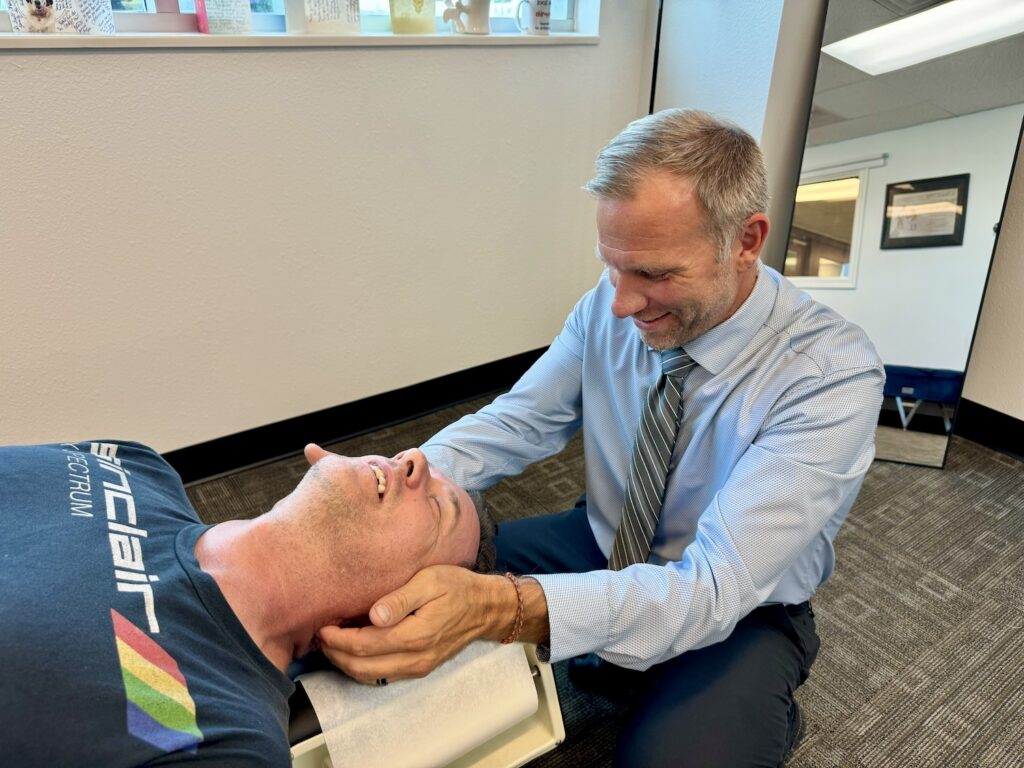
When dealing with a sports injury, it’s essential to consider how you can adjust your recovery strategy. As a local chiropractor, I want to emphasize the importance of customizing your rehabilitation and modifying your workouts to facilitate healing. Many people are unaware of how these adjustments can significantly aid in preventing re-injury and improving overall performance.
Chiropractic care offers a natural and holistic approach to recovery, focusing on realigning the body and enhancing its natural healing processes. By understanding and implementing these necessary changes, you can make a substantial difference in your journey back to the sport you love. So, what steps will you take next to support your healing? Let’s work together to create a tailored recovery plan that fits your needs.
Understanding the Nature of Sports Injuries
As a local chiropractor, it’s important for me to help you understand the nature of sports injuries and how natural healing plays a role in recovery. When participating in sports, injuries can occur in various forms, including sprains, strains, fractures, and concussions. Each type of injury presents unique causes, symptoms, and treatment methods.
One key distinction to recognize is between acute and chronic injuries. Acute injuries happen suddenly, often as a result of a specific incident, whereas chronic injuries develop gradually over time, usually as a consequence of repetitive strain. This understanding can assist you in identifying the type of injury you may be facing.
Being aware of the characteristics of your injury is crucial for seeking appropriate care and implementing effective recovery strategies. If you overlook the warning signs, you risk prolonging your recovery or even facing re-injury.
Additionally, factors such as your overall fitness level and the environment in which you play sports can significantly affect your risk of injury.
As your chiropractor, I encourage you to take a proactive approach to your health. By understanding sports injuries and embracing chiropractic care, you can enhance your healing process and return to your favorite activities stronger and better equipped to prevent future issues.
Let’s work together to ensure you stay active and informed on your journey to recovery.
The Role of Modification in Recovery
As a local chiropractor, I understand that recovering from a sports injury can be daunting. It’s crucial to make the right modifications to your routine to facilitate effective healing. This may involve adapting your activities—such as reducing workout intensity, changing your training schedule, or including more rest days.
Listening to your body is key; pay attention to any movements that cause discomfort, as they may indicate areas needing extra care.
Incorporating low-impact exercises can be a fantastic way to stay fit while minimizing the risk of aggravating your injury. Activities like swimming or cycling not only keep your cardiovascular health in check but also reduce strain on your body, allowing you to recover more comfortably.
Moreover, nutrition plays a vital role in your recovery process. Eating a balanced diet rich in essential nutrients can significantly enhance your healing and boost your energy levels.
As you embark on your recovery journey, consider these adjustments and remember that chiropractic care can also support your healing by addressing misalignments and promoting overall wellness.
Importance of Tailored Rehabilitation Exercises
As a local chiropractor, I want to emphasize the importance of tailored rehabilitation exercises when recovering from a sports injury.
Many of you may not be familiar with how chiropractic care can support your healing process, but having a personalized exercise plan is crucial in your recovery journey.
These tailored exercises are designed to specifically address your unique needs, which can significantly enhance your recovery time.
By focusing on what works best for your body, you can return to your favorite activities not only faster but also stronger and more resilient.
Personalized Exercise Plans
As a local chiropractor, I want to emphasize the importance of personalized exercise plans for effective sports injury recovery.
It’s crucial to understand that no two injuries—or athletes—are alike. When we customize rehabilitation exercises to fit your unique needs, we focus on the specific areas affected by your injury while also considering your overall fitness level and personal goals. This tailored approach not only helps prevent re-injury but also promotes quicker healing.
By zeroing in on your specific injury, we can incorporate movements that strengthen weak muscles and enhance flexibility, which are key components of recovery.
Furthermore, working with a chiropractor ensures that you’re using proper techniques during your exercises, significantly reducing the risk of further damage.
Never underestimate the power of a personalized approach to your recovery.
It’s all about maximizing your potential for healing and getting you back to your sport stronger than before. I encourage you to embrace a plan that’s designed specifically for you, and together, we can watch your progress unfold.
Enhanced Recovery Time
As a local chiropractor, I want to emphasize the importance of tailored rehabilitation exercises in your recovery journey after a sports injury. These specialized exercises are designed with your individual needs in mind, helping you regain strength, flexibility, and functionality more efficiently.
When you engage in activities specifically targeted to your condition, you’re not just on the mend; you’re also laying the groundwork for enhanced performance in your sport. This personalized approach is vital because it allows us to address any imbalances and weaknesses that may have led to your injury in the first place.
By focusing on these areas, we can help prevent future injuries and ensure a smoother return to your favorite activities. Additionally, being actively involved in your recovery process keeps you motivated and invested in your healing journey.
You’ll likely notice improvements more quickly when your rehabilitation exercises are aligned with your unique goals and physical capabilities. In the end, tailored rehabilitation not only accelerates your recovery but also significantly reduces the risk of reinjury, allowing you to come back to your sport even stronger than before.
As your chiropractor, I’m here to guide you through this process and support your journey towards natural healing and optimal health.
Adjusting Workout Intensity for Safe Progress
As a local chiropractor, I want to emphasize the importance of adjusting your workout intensity, especially if you’re recovering from a sports injury. While it might feel gratifying to push yourself, prioritizing safe recovery is crucial.
It’s essential to listen to your body and know when it’s time to ease off. Gradually increasing your workout intensity can significantly reduce the risk of re-injury and foster healing.
Here are some effective strategies for adjusting your workout intensity:
- Shorter sessions: Instead of long workouts, consider breaking them into shorter, manageable segments. This approach can help prevent overwhelming your body and supports recovery.
- Low-impact exercises: Replace high-intensity workouts with gentler alternatives such as swimming or cycling. These activities can still help you stay active while being kinder to your body.
- Rest intervals: It’s vital to incorporate adequate rest between sets. This allows your body time to recover and reduces the strain on your muscles and joints.
- Body awareness: Tune in to how your body feels during movements. If you encounter any pain, it’s crucial to stop and reassess. Pain is your body’s way of communicating that something isn’t right.
- Consult professionals: Collaborate with a qualified trainer or a physical therapist who can help tailor a workout plan specific to your needs. This ensures you’re following a safe and effective routine that aligns with your recovery goals.
By taking these steps, you’re not just aiming to get back to your previous fitness level, but also to ensure a healthier and more sustainable approach to your workouts.
Dietary Changes to Support Healing
As a local chiropractor, I want to emphasize the importance of dietary changes in your healing journey after a sports injury. While it’s crucial to modify your workout intensity, what you eat can significantly impact your recovery as well. Incorporating nutrient-dense foods into your diet is essential for promoting healing.
Start by focusing on lean proteins, such as chicken, fish, and legumes, which are vital for repairing tissues and building strength. Alongside these, make sure to include a variety of fruits and vegetables in your meals. They’re rich in antioxidants that can help reduce inflammation, a common issue after injuries.
Additionally, omega-3 fatty acids, which you can find in fish and flaxseeds, are beneficial for fighting inflammation and supporting the healing process.
Don’t overlook the importance of staying hydrated; water is crucial for transporting nutrients and ensuring your cells function optimally.
You might also want to consider supplements like vitamin D and calcium. These can help strengthen your bones and further support your recovery process.
Lastly, pay attention to your portion sizes. Eating smaller, more frequent meals can help maintain your energy levels throughout the day, making it easier for your body to heal.
Mental Health Considerations During Recovery
As you embark on your recovery journey after a sports injury, it’s crucial to consider not just your physical health, but also your mental well-being.
As a local chiropractor, I want to emphasize that your emotional state can significantly influence your healing process. Here are some essential tips to support your mental health during recovery:
- Stay connected: Reach out to friends and family regularly. Building a support network can help alleviate feelings of isolation that may arise during your recovery.
- Incorporate mindfulness: Engaging in practices like meditation or yoga can enhance your mental clarity, helping you stay focused and positive throughout your healing journey.
- Set small, achievable goals: Establish daily objectives for yourself. These small milestones can provide a sense of accomplishment and keep you motivated as you progress in your recovery.
- Consider professional support: If you find yourself feeling overwhelmed or anxious, talking to a therapist or counselor can be beneficial. They can provide additional strategies to manage your mental health during this time.
- Revisit your hobbies: Engage in activities that bring you joy and fulfillment. Focusing on hobbies can serve as a pleasant distraction and help maintain a positive outlook on life as you recover.
Remember, as you heal physically, nurturing your mental health is equally important.
Together, we can create a holistic approach to your recovery that addresses both your body and mind.
The Impact of Rest and Recovery on Performance
As a local chiropractor, I want to emphasize the critical role that rest and recovery play in optimizing your athletic performance. Many people overlook the importance of giving their bodies time to heal and recharge, especially after pushing themselves to their limits.
When you engage in intense physical activity, your muscles undergo stress and strain, making it essential to allow time for repair. Resting not only helps your muscles recover but also significantly reduces the risk of fatigue and injury.
In my practice, I’ve seen how inadequate recovery can lead to decreased strength, endurance, and coordination. This can hinder your performance, whether you’re in training or competing.
It’s not just about your physical capabilities; mental recovery is equally important. Taking a break can rejuvenate your focus and motivation, which translates into better decision-making during sports activities.
Quality sleep is another important aspect of recovery that I often discuss with my patients. It plays a vital role in muscle recovery and cognitive function, ensuring that you stay sharp and alert during both training sessions and competitions.
Incorporating rest days into your routine isn’t a sign of weakness; rather, it’s a strategic decision to enhance your overall athletic abilities.
Strategies for Preventing Re-Injury
As your local chiropractor, I understand how crucial it’s to not only focus on recovery but also to take proactive steps to prevent re-injury. This is vital for maintaining your athletic performance and overall well-being.
Here are some effective strategies I recommend to help you stay on track and reduce the risk of setbacks:
- Warm-Up Thoroughly: Before engaging in any physical activity, it’s important to prepare your muscles with dynamic stretches and light exercises. This helps increase blood flow and flexibility, setting the stage for better performance.
- Strengthen Supporting Muscles: Focus on building strength in the muscles surrounding your injury site. Strengthening these areas provides better support and stability, which can help prevent future injuries.
- Utilize Proper Technique: Pay close attention to your form during training and competition. Using the correct technique not only enhances your performance but also minimizes unnecessary strain on your body.
- Gradually Increase Intensity: When returning to your normal activities, it’s essential to slowly ramp up your intensity. This allows your body to adapt without being overloaded, reducing the risk of re-injury.
- Listen to Your Body: Always be mindful of any signs of discomfort. If you experience pain or fatigue, it’s important to address these issues immediately. Ignoring them can lead to a worsening condition and set back your recovery.
By implementing these strategies, you can help protect your body and maintain your athletic pursuits.
As your chiropractor, I’m here to support you every step of the way on your journey to optimal health and performance.
Seeking Professional Guidance for Optimal Recovery
Ensuring a smooth recovery from a sports injury is essential, and one of the best ways to achieve this is by seeking professional guidance, particularly from a chiropractor.
As a chiropractor, I understand the intricacies of the body and how injuries affect your overall well-being. By assessing your injury, I can develop a personalized recovery plan tailored to your specific needs.
Chiropractic care focuses on restoring balance and function, which is crucial for effective healing. I can guide you through appropriate exercises, stretching techniques, and provide a clear timeline for your recovery journey.
Understanding how to move your body properly is key to preventing further injury. Consulting with a chiropractor also means you’ll be informed about any potential complications or setbacks that may arise during your recovery.
This proactive approach allows us to adjust your treatment plan as needed. Additionally, I can offer advice on nutrition and mental health, both of which play significant roles in a holistic recovery process.
It’s important to remember that rushing the healing process can lead to longer-term issues. Working with a chiropractor helps you avoid the common pitfalls of self-diagnosis or following generic advice.
Regular visits can keep your recovery on track and ensure any concerns are addressed promptly. Investing in chiropractic care not only helps expedite your recovery but also enhances your overall performance when you return to the sport you love.
Embrace the healing power of natural methods and let’s support you on your journey to recovery!
Conclusion
As a local chiropractor, I want to emphasize the importance of making adjustments for sports injury recovery. It’s crucial for your healing process. By customizing your rehabilitation exercises, adjusting the intensity of your workouts, and ensuring you incorporate adequate rest, you are not only aiding in your recovery but also boosting your overall athletic performance.
I encourage you to think about your mental health during this time as well; it plays a key role in how effectively you recover. Seeking professional guidance, such as chiropractic care, can be incredibly beneficial. We can help you develop a tailored recovery plan that addresses your unique needs.
Additionally, staying proactive about preventing re-injury is essential. By focusing on these aspects, you will be better prepared to return to your sport even stronger and more resilient. Remember, your journey to recovery can be a holistic process, and I’m here to support you every step of the way.