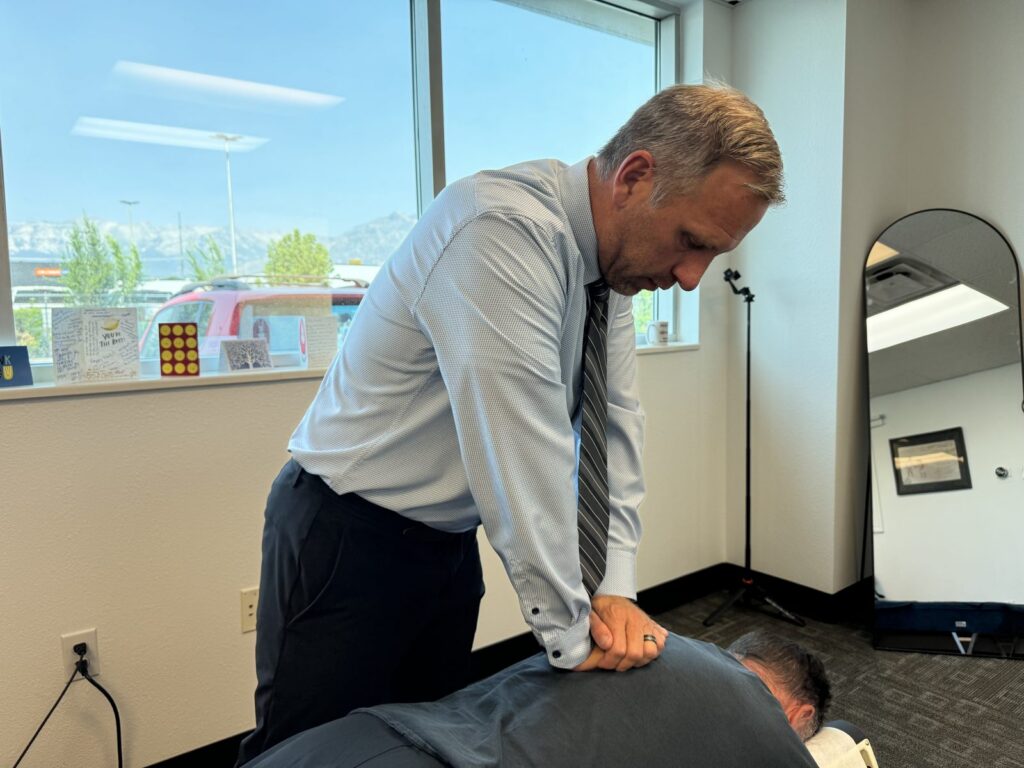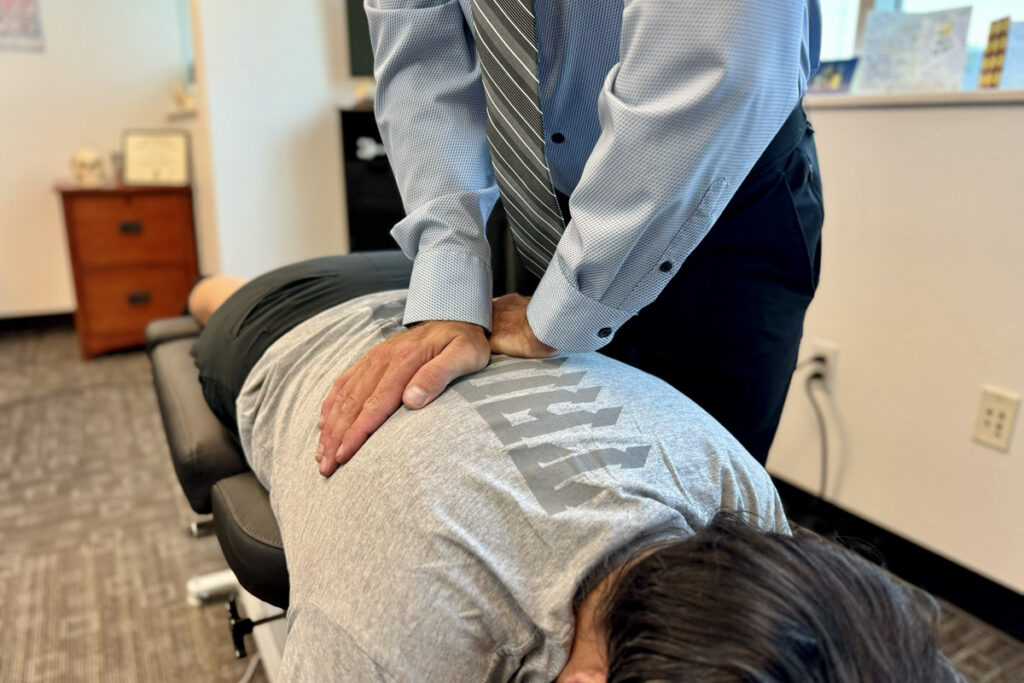
If you’re dealing with cervical pain, it’s important to understand the root causes so you can find the relief you deserve. As a chiropractor, I want to emphasize that chiropractic adjustments are a powerful way to address misalignments in your spine that can lead to discomfort. Not only do these adjustments help alleviate your immediate pain, but they also promote your overall well-being by improving spinal health and function.
Chiropractic care takes a natural approach to healing, focusing on your body’s ability to heal itself. By correcting misalignments, we help restore proper nerve function and blood flow, which can significantly reduce pain and improve your quality of life.
Are you curious about how chiropractic adjustments can change the way you manage your cervical pain? Let’s take a look at some effective treatment options and simple tips you can incorporate into your daily routine:
- Regular Adjustments: Consistent chiropractic care can help maintain spinal alignment, reducing the frequency and intensity of cervical pain.
- Posture Awareness: Pay attention to your posture, especially if you spend long hours at a desk or looking at a screen. Keeping your head aligned with your spine can help prevent strain.
- Exercise: Gentle neck stretches and strengthening exercises can help improve flexibility and support the muscles around your cervical spine.
- Ergonomic Workspace: Make sure your workstation is set up to promote good posture. Your computer screen should be at eye level, and your chair should support your lower back.
- Stay Hydrated: Drinking plenty of water can help keep your spinal discs hydrated and healthy, supporting your overall spinal health.
Remember, chiropractic care is a holistic and natural way to address cervical pain without the need for medications or invasive procedures. If you’re ready to explore how chiropractic adjustments can support your journey to optimal health, I’m here to help!
Understanding Cervical Pain: Causes and Symptoms
If you’ve ever dealt with cervical pain, you know just how much it can impact your daily life. Understanding what causes this discomfort and recognizing its symptoms is crucial for finding relief. Cervical pain often stems from poor posture, repetitive movements, or injuries like whiplash. You might experience stiffness, sharp pain, or even discomfort radiating down your arms. Additionally, stress can lead to muscle tension in your neck and shoulders, compounding the issue.
Certain activities, such as prolonged computer use or sleeping in awkward positions, can make your cervical pain worse. Conditions like herniated discs or arthritis may also contribute to the discomfort. By keeping track of when you feel pain and what activities seem to trigger it, you can better manage your symptoms.
Chiropractic care is an excellent option for addressing cervical pain naturally. Through gentle adjustments and targeted therapies, chiropractors can help restore proper alignment to your spine, which can alleviate pain and prevent future issues.
Here are some simple tips to help you manage your cervical pain:
- Maintain Good Posture: Be mindful of your posture, especially when sitting at a desk. Keep your back straight and your shoulders relaxed.
- Take Regular Breaks: If you work on a computer, take short breaks to stretch and move around. This can help reduce tension in your neck.
- Sleep Smart: Use a supportive pillow that keeps your neck aligned with your spine. Avoid sleeping on your stomach, as it can strain your neck.
- Practice Relaxation Techniques: Engage in activities that reduce stress, like deep breathing, meditation, or yoga. This can help ease muscle tension around your neck.
- Stay Active: Regular exercise strengthens your neck and back muscles, making them less prone to injury.
By incorporating these practices and seeking chiropractic care, you can take significant steps toward alleviating your cervical pain and achieving optimal health.
Physical Therapy Approaches for Cervical Pain Relief
Chiropractic care is an exceptional foundation for managing cervical pain, and when combined with the right physical therapy, it can significantly enhance your recovery. While chiropractic adjustments realign your spine and alleviate pain, physical therapy complements this by focusing on targeted exercises and techniques that help you regain strength and flexibility.
During your sessions, a qualified therapist will evaluate your condition and develop a tailored plan just for you. This may involve gentle stretches, hands-on manual therapy, and the use of natural modalities like heat or cold therapy to soothe discomfort.
One of the key benefits of physical therapy is that it teaches you proper posture and body mechanics, which are essential for preventing future pain. Your therapist will guide you through exercises that strengthen your neck muscles and improve stability, making it easier for you to maintain a healthy alignment.
Additionally, you’ll learn relaxation techniques that can help alleviate tension in the cervical area.
Education is another vital aspect of your recovery journey. Understanding how daily habits affect your pain will empower you to make positive changes. By being proactive in your healing process, you not only relieve current discomfort but also equip yourself with the knowledge to maintain long-term wellness.
Remember, chiropractic care, combined with the right physical therapy, offers a holistic approach to managing cervical pain naturally. By focusing on alignment, strength, and proper body mechanics, you’re taking significant steps toward achieving optimal health and wellness.
Embrace these practices, and you’ll likely find lasting relief and a better quality of life.
The Role of Chiropractic Adjustments in Managing Cervical Pain
When it comes to managing cervical pain, chiropractic adjustments are a powerful tool for restoring spinal alignment and alleviating discomfort naturally. Many people experience tension, stiffness, or headaches due to misaligned vertebrae in the neck. By choosing chiropractic care, you can receive targeted adjustments that help realign these vertebrae, enhancing mobility and reducing pain without the need for medications or invasive procedures.
Your chiropractor will use specific techniques tailored to your individual needs, making sure each adjustment is effective and comfortable for you. This hands-on approach not only tackles immediate pain but also supports long-term spinal health. By visiting your chiropractor regularly, you can help prevent recurring issues and improve your overall well-being.
In addition to adjustments, your chiropractor may recommend complementary therapies like massage or gentle stretching exercises. These can further aid your recovery and promote relaxation.
To support your cervical health at home, consider incorporating simple habits into your daily routine, such as maintaining good posture, using ergonomic furniture, and taking regular breaks from screens.
Embracing chiropractic adjustments can significantly enhance your quality of life, allowing you to move freely and comfortably without the burden of cervical pain. Remember, choosing chiropractic care is a natural and effective way to achieve optimal health and wellness.
Lifestyle Modifications to Prevent Cervical Discomfort
To prevent cervical discomfort, it’s crucial to set up an ergonomic workspace that supports your spine’s natural alignment. This means adjusting your chair and desk height, using a supportive chair, and positioning your computer screen at eye level to reduce strain on your neck.
Additionally, incorporating regular stretching exercises into your daily routine can greatly benefit your cervical health. Simple neck rolls, shoulder shrugs, and gentle stretches can relieve tension and improve flexibility.
Remember, these lifestyle modifications can make a significant difference in how you feel. However, if you continue to experience discomfort, consider visiting your local chiropractor. Chiropractic care focuses on restoring proper alignment and function to your spine, which can lead to lasting relief and improved overall wellness.
Ergonomic Workspace Setup
Creating an ergonomic workspace is vital for maintaining spinal health and preventing cervical discomfort, especially if you find yourself at a desk for long hours. As a chiropractor, I want to share some simple yet effective tips to help you set up your workspace in a way that promotes optimal health and wellness.
Start by adjusting your chair so that your feet rest flat on the ground and your knees are level with your hips. This position helps maintain a healthy alignment of your spine. Your monitor should be positioned at eye level, approximately an arm’s length away. This setup minimizes neck strain, allowing your spine to stay in a natural, relaxed position.
Choosing a chair with good lumbar support is crucial. It should support the natural curve of your spine, which is essential for preventing discomfort. Keep your keyboard and mouse close together, so your elbows can rest comfortably at a 90-degree angle. This reduces tension in your shoulders and neck, making it easier to maintain good posture throughout the day.
If you spend a lot of time on calls, consider using a headset. This simple tool can help alleviate strain on your neck that often comes from cradling a phone between your shoulder and ear.
Lastly, take a moment to declutter your workspace. A tidy environment not only promotes focus but also encourages good posture by creating an organized space that supports your body.
Remember, chiropractic care is a fantastic way to achieve and maintain optimal health. Regular adjustments can help ensure your spine remains aligned, reducing discomfort and promoting overall well-being.
Incorporating these ergonomic tips into your daily routine will complement your chiropractic care and help you lead a healthier, pain-free life.
Regular Stretching Exercises
In addition to setting up an ergonomic workspace, incorporating regular stretching exercises into your daily routine can significantly enhance your overall well-being and help alleviate cervical discomfort.
As a chiropractor, I understand the importance of maintaining a healthy spine and the role that flexibility plays in preventing pain. Simple stretches can relieve tension and improve flexibility in your neck and upper back, leading to better posture and reduced discomfort.
Start with neck tilts—gently bring your ear toward your shoulder, holding for 15 seconds on each side. This stretch helps to release tightness around the cervical spine.
Shoulder rolls are another great option; roll your shoulders forward and backward to loosen up those tight muscles. Aim to stretch every hour, especially if you find yourself sitting for extended periods.
Don’t forget to breathe deeply and pay attention to how your body feels during each stretch. By making these exercises a regular part of your day, you won’t only improve your posture but also enhance circulation throughout your body, which is essential for overall health.
Remember, while stretching is beneficial, it should complement regular chiropractic care. As you work towards a healthier lifestyle, consider visiting a chiropractor to ensure that your spine is properly aligned and functioning optimally.
This combination of self-care and professional support is the best way to achieve lasting pain relief and promote natural wellness. Keep your body moving, and you’ll be on your way to a healthier, pain-free life!
Evidence-Based Research on Effective Treatment Strategies
Managing cervical pain can be tough, but as a chiropractor, I’m excited to share some effective, natural treatment strategies that can greatly enhance your well-being and promote healing. By incorporating these methods into your daily routine, you can take charge of your health:
- Chiropractic Care: Regular chiropractic adjustments are a cornerstone of effective cervical pain management. These gentle manipulations help realign the spine, relieve tension, and restore proper function to your neck and surrounding muscles. This can lead to significant pain relief and improved mobility.
- Targeted Exercises: Working with a chiropractor, you can learn specific exercises designed to strengthen your neck muscles and increase flexibility. These exercises not only help relieve pain but also promote better posture—a crucial factor in preventing future discomfort.
- Mind-Body Techniques: Managing the emotional aspects of pain is just as important as addressing the physical symptoms. Techniques like mindfulness and meditation can help you reduce stress and anxiety, making it easier to cope with discomfort and enhance your overall well-being.
General Tips for Better Neck Health:
- Maintain Good Posture: Pay attention to your posture throughout the day, especially if you work at a desk. Keep your shoulders back and your head aligned with your spine.
- Stay Active: Regular movement is key. Try to incorporate gentle stretches or short walks into your daily routine.
- Use Ergonomic Supports: Consider using supportive pillows and chairs that promote proper alignment to reduce strain on your neck.
The Importance of Posture in Cervical Health
Your posture is a crucial element in maintaining cervical health, especially in our modern work environments where many of us spend countless hours at desks. By prioritizing good ergonomics, incorporating daily stretches, and being aware of your sleep position, you can’t only prevent discomfort but also enhance your overall well-being.
Chiropractic care stands out as an effective way to address and correct posture-related issues. Regular adjustments can help align your spine, relieve tension, and restore proper function to your cervical region. This natural approach to health focuses on supporting your body’s innate ability to heal itself.
Here are some practical tips to improve your cervical health:
- Ergonomic Setup: Ensure your workstation is set up correctly. Your computer screen should be at eye level, and your chair should support your lower back.
- Daily Stretching: Incorporate gentle neck stretches into your routine. Simple movements like tilting your head side to side and rolling your shoulders can significantly relieve tension.
- Mind Your Sleep Position: Use a supportive pillow that keeps your neck aligned with your spine. Sleeping on your back is often the best position for neck health.
- Regular Chiropractic Visits: Consider scheduling regular chiropractic appointments. These visits can help maintain spinal alignment and prevent pain before it starts.
By taking these steps and embracing chiropractic care, you can support your cervical health and enjoy a more comfortable, pain-free life.
Ergonomics of Workspaces
Proper ergonomics in workspaces is crucial for maintaining cervical health, particularly as many of us spend extended periods hunched over screens.
Making simple adjustments can greatly enhance your posture and reduce strain on your neck. As a local chiropractor, I want to share some valuable tips that not only promote better posture but also support your overall well-being through natural healing methods.
Here are three key adjustments to consider:
- Monitor Height: Ensure your screen is positioned at eye level. This simple change helps keep your neck in a neutral position, reducing the risk of pain and discomfort. Remember, the less you strain your neck, the better!
- Chair Support: Opt for a chair that provides good lumbar support. This helps maintain the natural curve of your spine, which is essential for preventing back pain. A supportive chair can significantly enhance your comfort and productivity throughout the day.
- Keyboard Placement: Keep your keyboard at elbow height. This prevents you from having to reach too far and straining your shoulders. The ideal setup allows your arms to rest comfortably at your sides, making typing a pain-free experience.
Incorporating these ergonomic strategies not only helps alleviate discomfort but also aligns with the principles of chiropractic care, which emphasizes maintaining a healthy spine for optimal health.
Daily Stretching Techniques
As a chiropractor, I want to highlight the often-overlooked importance of daily stretching techniques for maintaining cervical health. Integrating simple stretches into your everyday routine can significantly improve your posture and relieve tension in your neck, which is essential for overall wellness.
Start with gentle neck rolls—slowly tilting your head from side to side can help ease stiffness. Another effective stretch is the chin tuck, which strengthens the muscles that support your spine and encourages better alignment. Aim to hold each stretch for 15-30 seconds to enhance your flexibility.
Shoulder shrugs are also beneficial; they help release built-up tension and promote better blood flow to the area.
Remember, consistency is key! I recommend aiming to stretch at least once a day. By prioritizing these simple techniques, you’ll not only enhance your cervical health but also experience a greater sense of relaxation and focus throughout your day.
Chiropractic care is an excellent partner in your journey towards optimal health. By regularly visiting a chiropractor, you can address underlying issues and enhance the benefits of your stretching routine.
Make stretching a habit, invest in your well-being, and consider chiropractic as a vital part of your health regimen for pain relief and natural wellness!
Sleep Position Impact
As a local chiropractor, I want to share how your sleep position can significantly affect your cervical health. The way you align your neck and spine while you rest can either help ease your discomfort or make it worse.
Here are three essential tips for better cervical support that can lead you to achieve optimal wellness:
- Sleep on Your Back: This position is one of the best for maintaining proper alignment of your spine and neck. When you sleep on your back, it helps distribute your weight evenly and reduces strain. Make sure to use a supportive pillow that keeps your head level, providing the right amount of support for your neck.
- Avoid Stomach Sleeping: Sleeping on your stomach can put unnecessary strain on your neck by forcing it into awkward angles. If you find yourself a stomach sleeper, try transitioning to sleeping on your side or back. This small change can make a world of difference for your cervical health.
- Choose the Right Pillow: The right pillow can be a game-changer. Picking a pillow tailored to your sleeping position can provide essential support, reducing tension on your neck. A pillow that supports the natural curve of your neck will help you wake up feeling refreshed and pain-free.
By adjusting your sleep position and being mindful of your pillow choice, you can make significant strides toward better cervical health.
Remember, chiropractic care is an excellent option for those seeking natural pain relief and improved overall wellness. If you’re experiencing neck pain or discomfort, consider reaching out to a chiropractor for personalized advice and treatment options.
Your journey to better health starts with small, conscious changes in your daily habits!
Complementary Therapies for Enhanced Pain Management
If you’re dealing with cervical pain, chiropractic care is one of the best options for achieving relief and promoting overall wellness. Our approach focuses on realigning the spine and alleviating tension in the neck area, which can significantly reduce pain and improve mobility.
In addition to chiropractic adjustments, there are several complementary therapies you can incorporate into your routine to enhance your healing journey. For example, gentle practices like yoga and tai chi can help increase flexibility and strengthen the muscles that support your neck.
These activities not only provide physical benefits but also promote relaxation and mindfulness, which are important for managing stress that can worsen pain.
Mindfulness meditation and deep breathing exercises are excellent tools for reducing stress. When you’re relaxed, your body can respond better to treatment and may experience less discomfort.
Don’t forget about the value of simple home remedies! Applying heat or cold therapy can give you immediate relief—try using a warm compress or an ice pack on the affected area for soothing comfort.
Additionally, you might explore natural supplements like turmeric or ginger, known for their anti-inflammatory properties. These can complement your chiropractic care and support your body’s healing process.
Conclusion
In summary, effectively managing cervical pain is best achieved through the holistic approach of chiropractic care, combined with simple lifestyle adjustments and complementary therapies. By prioritizing your spinal health, you can not only relieve discomfort but also prevent future issues from arising. Regular visits to your chiropractor can help restore proper alignment, which is essential for your overall well-being.
It’s important to remember that good posture plays a crucial role in maintaining a healthy neck. Simple changes, like being mindful of how you sit at your desk or holding your phone, can make a big difference. Incorporating gentle stretching or massage into your routine can also support your recovery and enhance relaxation.
Take proactive steps today to ensure a healthier, pain-free neck in the future. Embracing chiropractic care is a natural path to wellness that your body will truly appreciate!